
No Compromises. Full Results.
Speak with a logistics expert - we’ll handle
your transport from A to Z.

Nationwide

Experience

Experts
We have an on-time delivery rate of 98.1% moving containers in Massachusetts
Heavy Equipment Transport is ISO 9001 certified and delivers over 1,500 container shipments annually, a number we have already surpassed this year.
We prioritize on-time delivery, which typically saves our clients around 16%.
We are licensed by the FMCSA (MC-693977) and carry $250,000 in coverage. Additionally, we are GSA certified and a FEMA approved partner.
For seven consecutive years, we have been recognized as a potential Inc. 5000 fastest-growing company.
With over 16 years of experience, our team consists of 140 logistics experts operating from Florida, Kentucky, Ohio, and Massachusetts.
Confirm Container Transport Details
Confirm with confidence.
Get pricing that fits your route and load.
Professional and Reliable Container Moving Services in Massachusetts
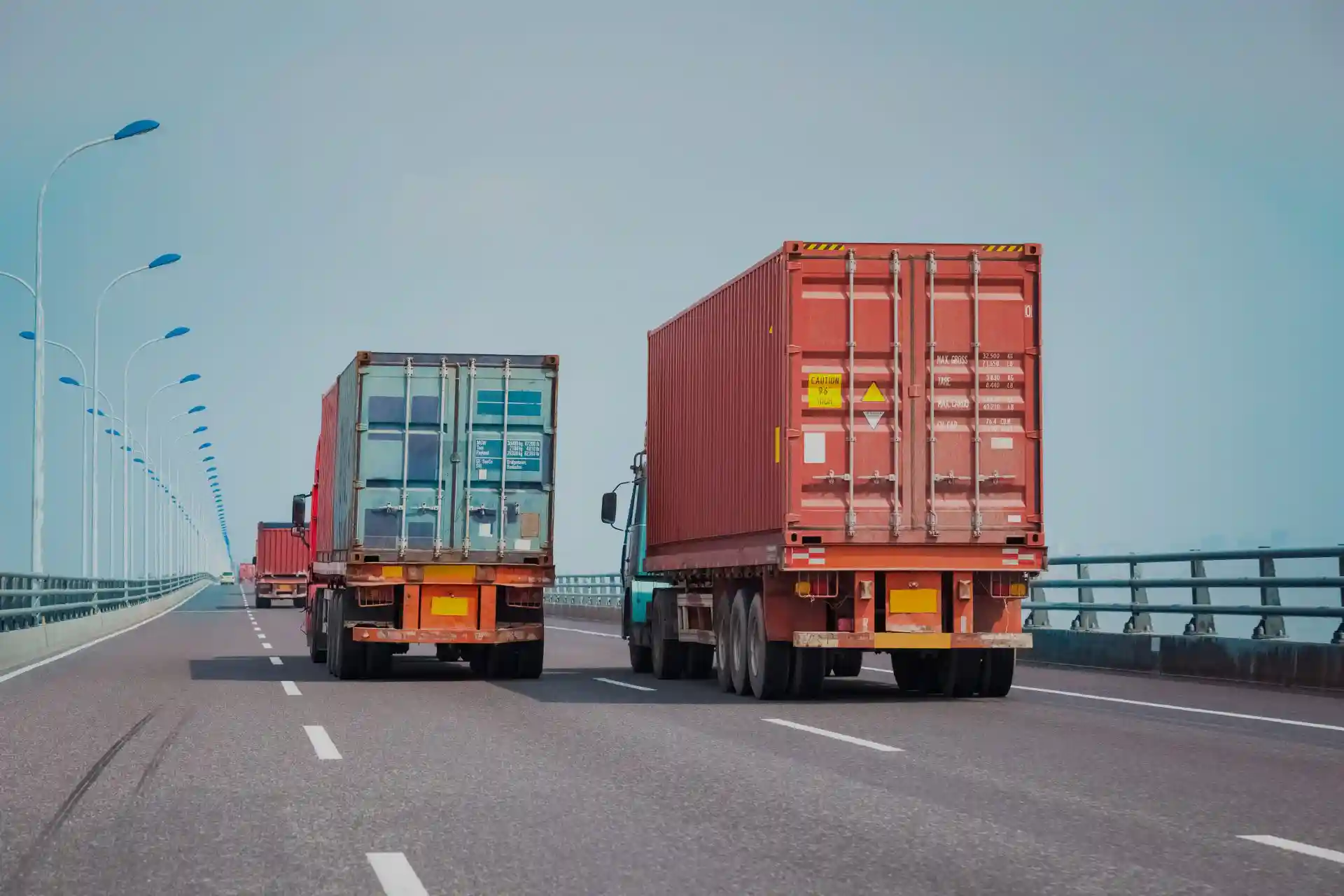
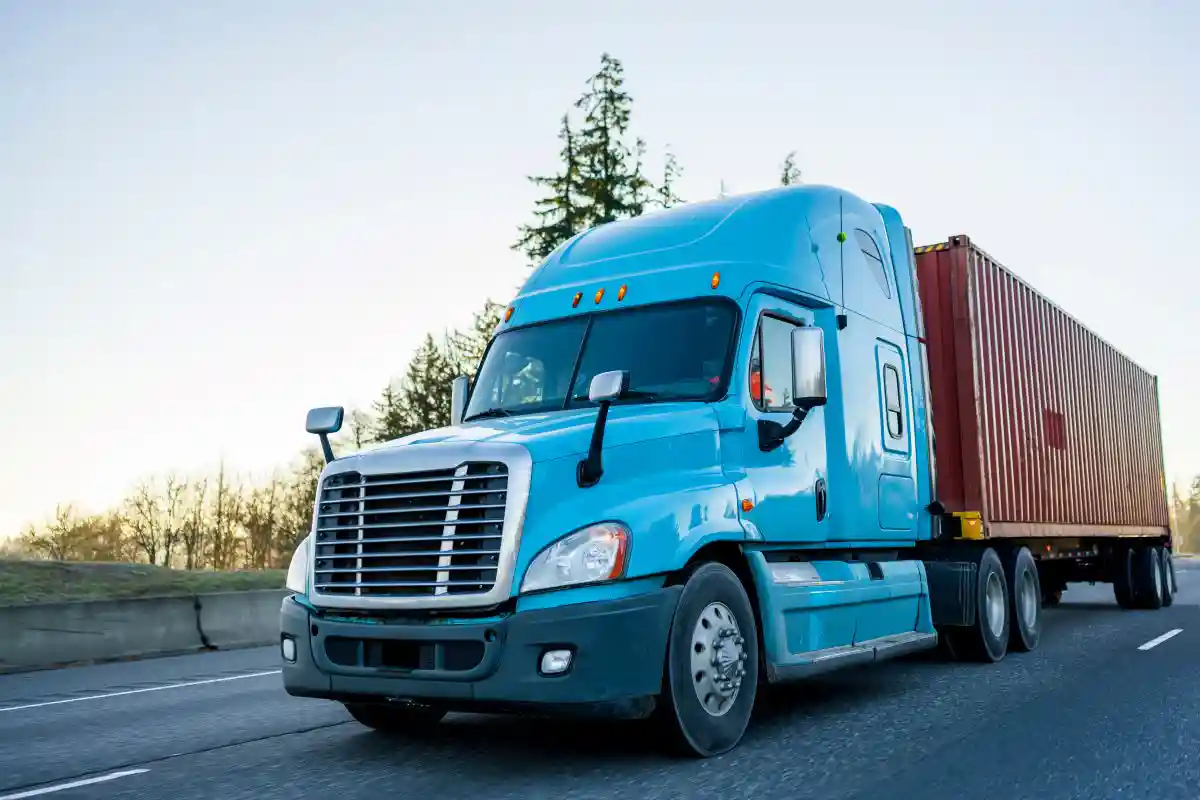
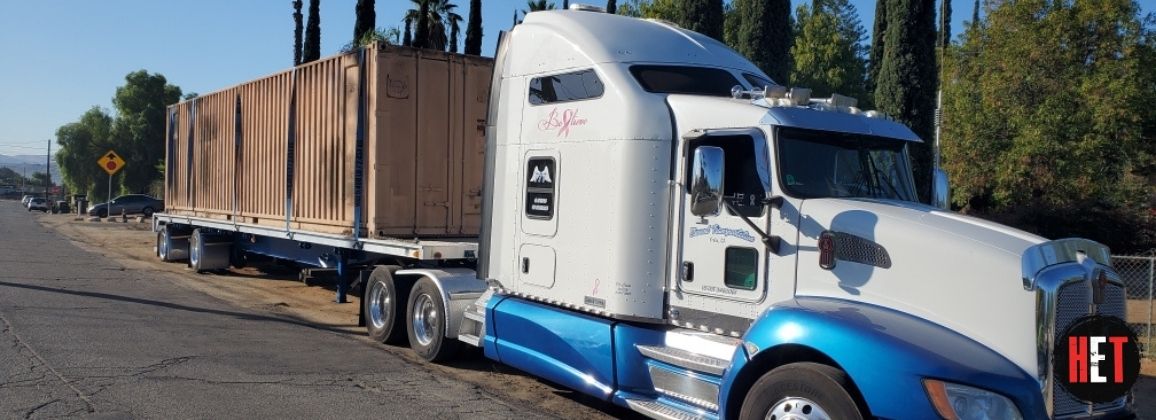
Heavy Equipment Transport is a licensed container mover in Massachusetts with over ten years of experience. We transport empty and full containers, including 20ft and 40ft sizes, ensuring all paperwork is handled and recommending suitable trailers for each load.
Efficient and Fully Insured Container Moving Services in Massachusetts
We offer comprehensive insurance for every shipping container transported within Massachusetts. Property owners can reach out to the insurance company directly for compensation.
Our skilled drivers are familiar with the safest and most efficient routes, ensuring secure and timely delivery services. For an additional fee, we also provide assistance with loading and unloading, as well as rigging services. Below are the port terminals we serve together with their contacts and addresses.
Port of Boston
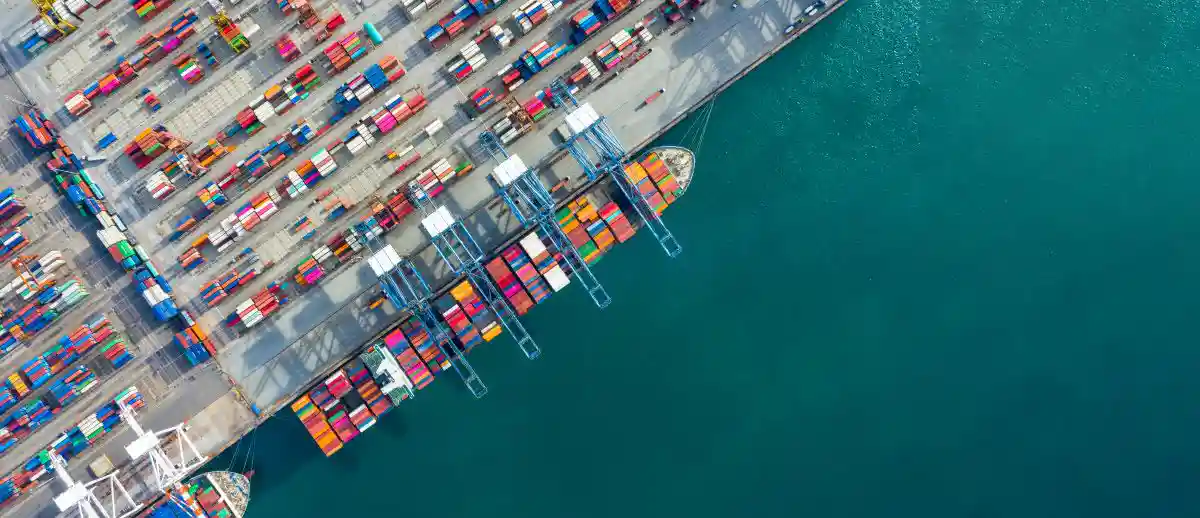
Located on the Massachusetts Bay on the Atlantic Ocean, this is the largest port in Massachusetts. This port handles bulk cargo, petroleum, processing, and automobiles. Below are the terminals we serve.
- Conley Terminal (South Boston): This terminal handles shipping containers. Below is the address and contact. 700 Summer St, South Boston, MA 02127, (800) 294-2791
- Boston Autoport (Charlestown): This terminal handles automobiles. Below is the address and contact. 300 Terminal Street, Charlestown, MA 02129, 617-936-2108
Port of New Bedford
This port handles shipping containers, breakbulk, bulk, and specialty marine cargo. Below are the terminals we serve.
- New Bedford Marine Commerce Terminal: This terminal is designed to handle container shipping, bulk, breakbulk, and specialty marine cargo. It supports the construction, assembly, and deployment of offshore wind turbines. Below is the address and contact. 16 Blackmer Street, New Bedford, MA 02740, +1 617-315-9355
Massachusetts location for shipping container transportation
When it comes to transporting shipping containers in Massachusetts, important spots are mainly in the Boston area and along major highways like I-90, I-93, and I-95. There are several companies that can help with this, such as Nationwide Transport Services, Conexwest, and Interport. They offer a variety of services, including selling, renting, and modifying containers, as well as trucking them for storage or bigger moves.
Massachusetts regulations and permits for the transportation of shipping containers
Transporting shipping containers in Massachusetts requires follow to several regulations. The maximum weight limit for transport is 80,000 pounds. Carriers must ensure that cargo is secured in accordance with FMCSA rules. Additionally, there may be local zoning and building permit requirements for the placement of containers, as well as compliance with state hazardous material regulations if applicable.
Carriers need to carefully manage weight distribution and secure their loads properly. For oversized or overweight moves, obtaining special permits is necessary. It's important to check with MassDOT for road regulations and local boards for site placement requirements.
Weight & Dimensions (MassDOT)
- Gross Vehicle Weight (GVW): The total combined weight of the truck, chassis, container and cargo should not exceed 80,000 pounds.
- Overweight/Oversize Permits: For loads that exceed standard limits, permits are required from the Massachusetts Department of Transportation (MassDOT).
- Axle Weight: Ensure that the weight is distributed evenly to prevent axle violations.
Federal Regulations (FMCSA)
- Cargo Securement (49 CFR 393.126): Cargo inside must be secured according to general rules, even in intermodal containers. Load weight should be distributed evenly.
- Weight: Gross Vehicle Weight (GVW) generally cannot exceed 80,000 lbs, although states may differ. Ensuring even loads is crucial.
- Container Certification: Containers weighing over 29,000 lbs must have a shipper's weight certification before transport.
- Hazardous Materials (Hazmat): If you are carrying hazardous materials (HM), you need a Hazardous Materials Safety Permit (HMSP), along with proper placarding and specific training.
Ready To Get Started?

Cost of Moving a Shipping Container in Massachusetts
The cost of transporting a shipping container in Massachusetts isn’t standard. It’s influenced by factors such as loading and unloading assistance, route, ground distance, weight, and size among others.
Regardless, we offer affordable container moving services in Massachusetts. Our container moving cost is all-inclusive without any hidden fees. For clients without cranes or rigger men, we provide them at an added fee. Our transport quotes are free and accurate.
Get your Massachusetts container transport rate today
Our Recent Transports
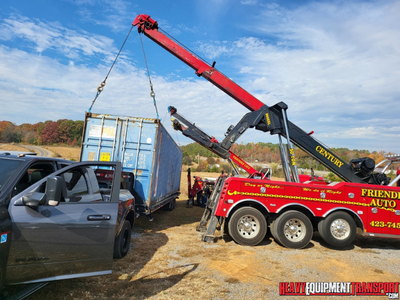
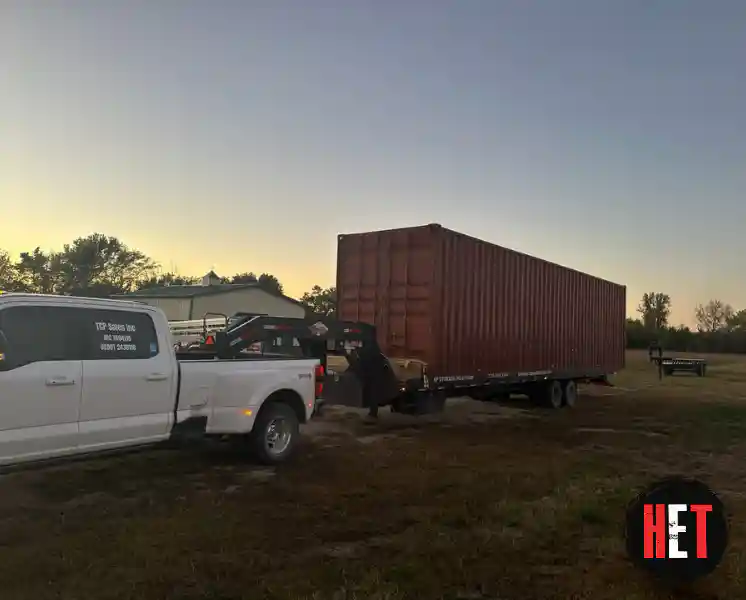
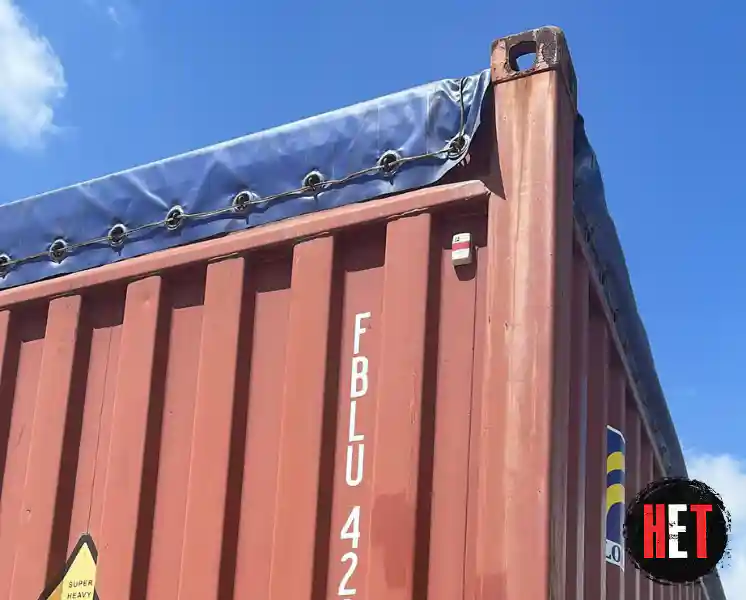
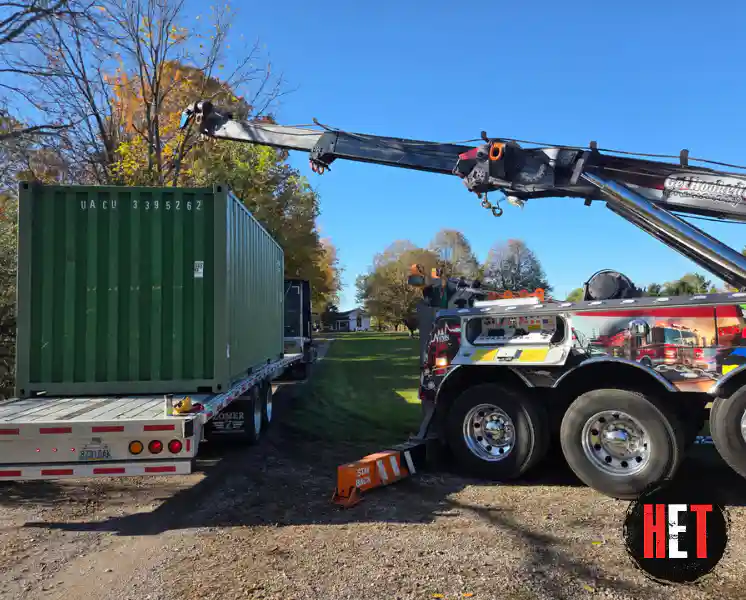
40FT LOADED SHIPPING CONTAINER ON A HOTSHOT TRAILER
Transport DetailsAthens, TN
Kingston, MA
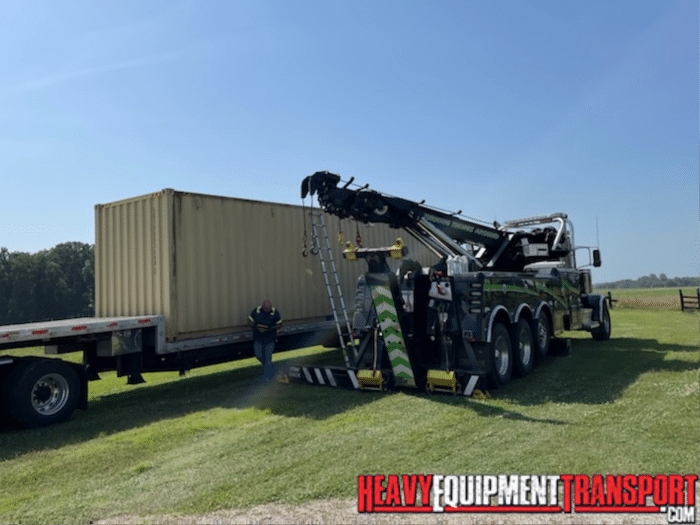
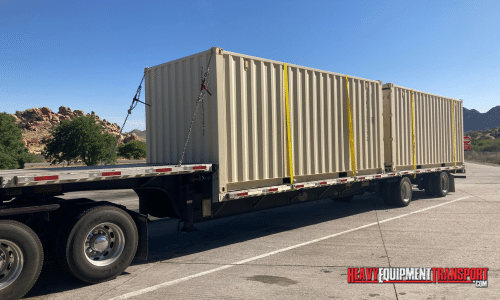
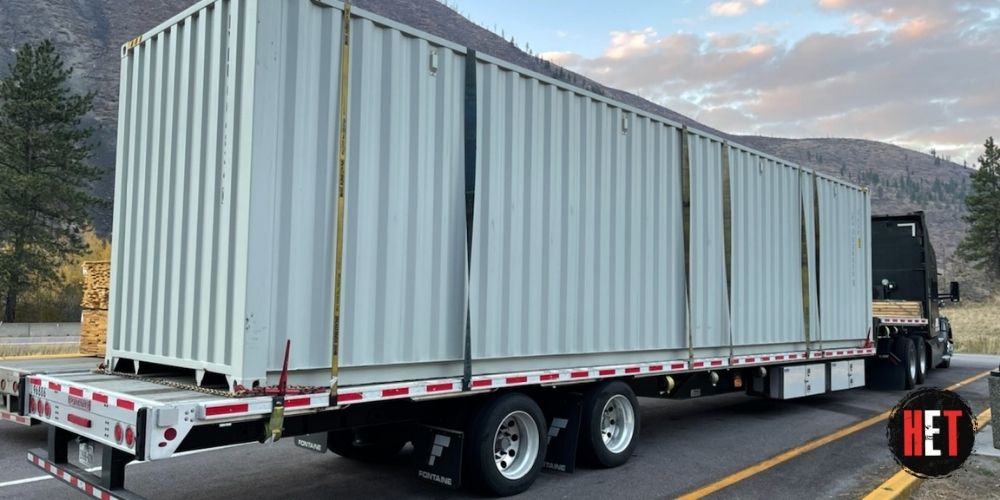
Janelle Foltz, our top container transport specialist, helped transport this 40ft shipping container from Athens, TN to Kingston, MA safely. A crane was used to load it on a hotshot trailer before it was shipped and delivered safely. To transport a 40ft loaded shipping container, call us now!
Massachusetts Shipping Container Transport FAQs by Category
Shipping containers in Massachusetts are popular for storage, workshops, tiny homes and offices, typically available in 20ft and 40ft sizes. Key FAQs cover zoning regulations, delivery requirements (level ground and 10-12ft clearance), container grades (WWT, CW, HC) and uses. Costs vary based on condition, size and location, with site preparation necessary for delivery.
General & Specifications
What sizes are available in Massachusetts?
In Massachusetts, shipping containers come in some common sizes, like 20 feet, 40 feet, and a taller version called the 40-foot High Cube. There are also special containers that are 45 feet long. You can choose from brand new, used, or refurbished containers to meet different needs for storage, moving items, or construction projects.
Are the shipping containers strong, durable and secure?
Shipping containers are durable and made of rust-resistant steel, lasting over 25 years. They can be modified for various uses, but it's important to add security features to keep valuable items safe.
Do shipping containers have titles in Massachusetts?
Shipping containers do not typically have vehicle titles, like those used for cars, in Massachusetts or anywhere else. They are classified as cargo or chattel rather than registered vehicles. Ownership is established through invoices, bills of sale, or leasing agreements. However, you will need permits, such as building permits, for their use on property.
In Massachusetts, what sizes of containers are available?
In Massachusetts, standard steel shipping and storage containers are available in common lengths of 10', 20', 40', and 45'. You can also find smaller options, such as 6' and 8', as well as taller High Cube containers that measure 9'6".
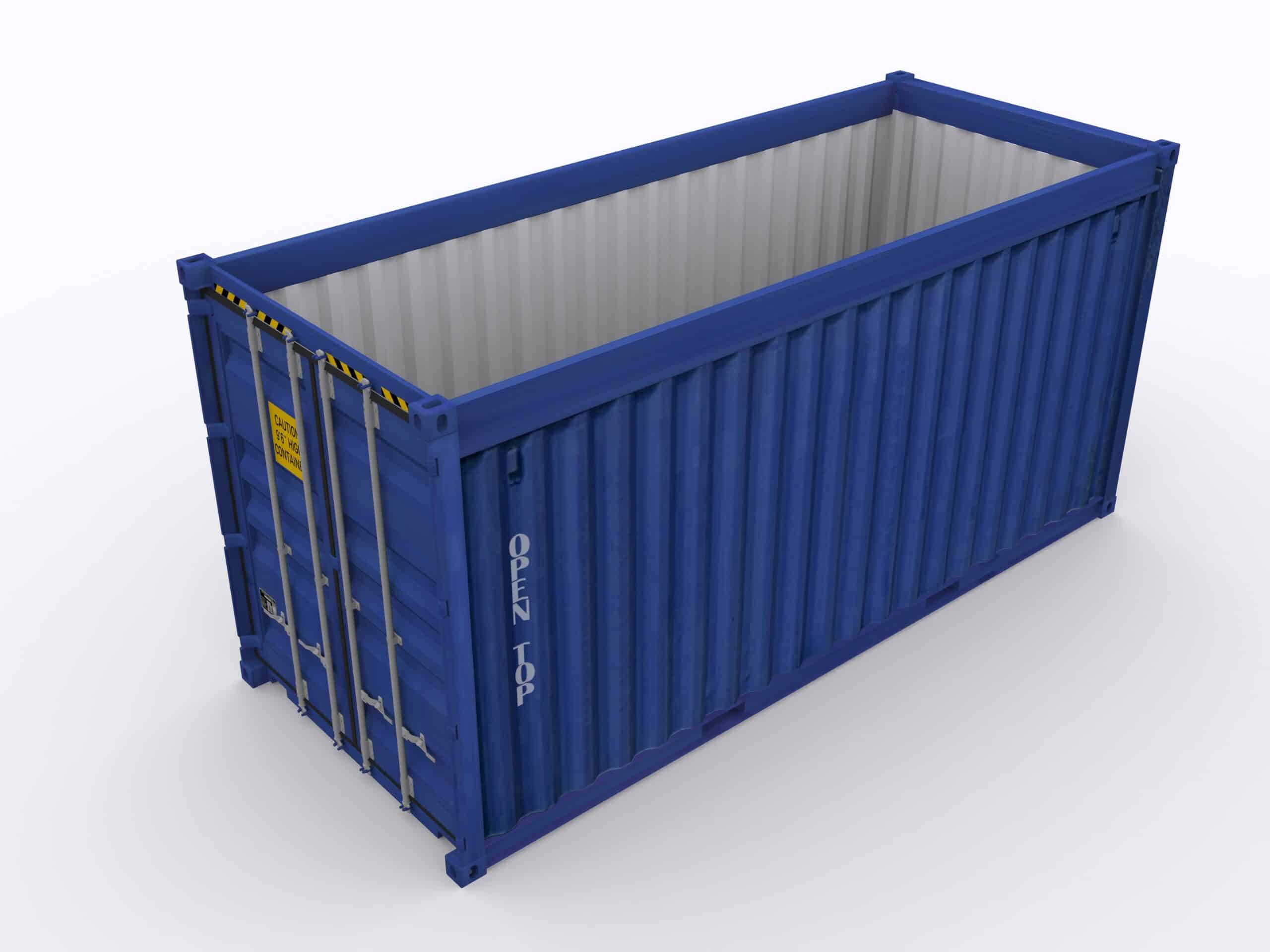
Additionally, there are specialized types, including refrigerated and open-top containers. For waste management, various dumpster sizes are offered, ranging from 10 to 40 yards.
Containers Condition & Grading
What do the condition grades (WWT, CW, New/1-Trip) mean?
- Wind and Water Tight (WWT): These containers show signs of age, rust, or repairs, but they are guaranteed to keep the contents dry and secure from the elements.
- Cargo Worthy (CW): These containers are suitable for a marine survey and certification for international transport by ship or train.
- New/1-Trip: These containers have been loaded only once from the manufacturer and are in excellent condition with minimal wear.
What are the shipping container grades A, B, and C?
Shipping container grades A, B, and C indicate a decrease in cosmetic condition and age, but all are fundamentally wind and watertight (WWT), meaning they effectively keep the elements out.
- Grade A: This type of container is in excellent condition (like new or used once), with few dents or rust. It is suitable for shipping or display.
- Grade B: Although it shows signs of wear, it is still suitable for general storage.
- Grade C: This container has significant cosmetic issues, rust, and repairs, but remains WWT and suitable for economical, rugged storage where aesthetics are not a priority.
Delivery & Logistics
How much space is needed for delivery a container in Massachusetts?
For a container delivery in Massachusetts, the required area should be about 60 to 100 feet long and 12 to 14 feet wide, with a height clearance of 14 to 20 feet. Ensure the space is level and free of overhead obstacles for safe delivery.
What are the methods for delivering containers in Massachusetts?
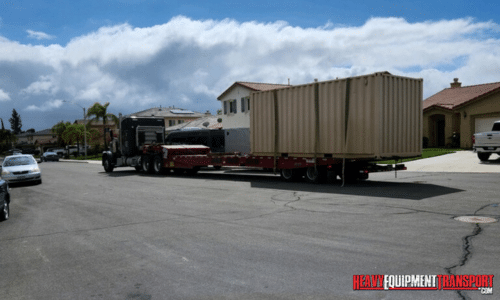
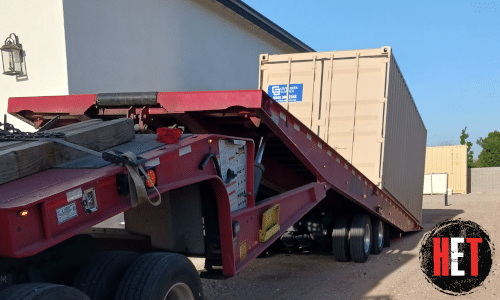
In Massachusetts, delivering shipping containers usually requires trucks and sometimes trains. Different types of trucks are used, like those that can tilt or carry flat containers. The choice of truck depends on a few things, such as how big or heavy the container is, whether it's full or empty, how far it needs to go, and how easy it is to reach the delivery site.
Where can containers be delivered safely in Massachusetts?
Delivering containers in Massachusetts requires finding licensed and insured movers, and ensuring that the delivery site complies with local zoning regulations and permits. The site should have clear access, stable ground, and respect utility lines, focusing on proper placement for security and accessibility.
Regulations & Permits
Do I need permission for a special license to put a shipping container on my property in Massachusetts?
In Massachusetts, you typically need permission, usually in the form of a building permit or a temporary use permit, from your local city or town hall before placing a shipping container on your property. This is especially true if the container will be used for living space, office use, connecting utilities, or long-term storage. It must comply with state building codes and local zoning regulations to ensure safety and compliance.
What are the typical local requirements in the state of Massachusetts?
- Permits: To obtain a container permit in Massachusetts, you must receive approval from a qualified engineer to ensure structural safety and compliance with local codes.
- Zoning: In Massachusetts, placing a container permanently on a property may be restricted to commercial or industrial zones.
- Temporary Use: Many cities allow temporary use for a limited time.
- Aesthetics: Some areas in Massachusetts require containers to be screened from view using landscaping or fencing and painted in earth tones for better blending.
Where can I verify the rules for container transport in Massachusetts?
To verify container transport rules in Massachusetts, visit Mass.gov for trucking regulations and USDOT numbers. For port guidelines, consult Massport at Massport.com. Also, check the FMCSA and PHMSA websites (fmcsa.dot.gov and phmsa.dot.gov) for information on hazardous materials and interstate transport. These rules cover weight limits, permits, and compliance with state and federal agencies like MassDOT.
Choose Your Region In Massachusetts And Get A Container Shipping Quote!
Regions
Don’t see your city or town listed?
No problem! Call now and speak with a live logistics agent.
We’ll get your container delivered to where you need it.
Shipping Container Transport Dimensions and Specifications
Massachusetts container transport costs vary based on distance, port terminal, container status (loaded or empty), permits, routing, and delivery requirements. Submit your details above to receive accurate pricing and availability for your move.
Popular Container Services
See All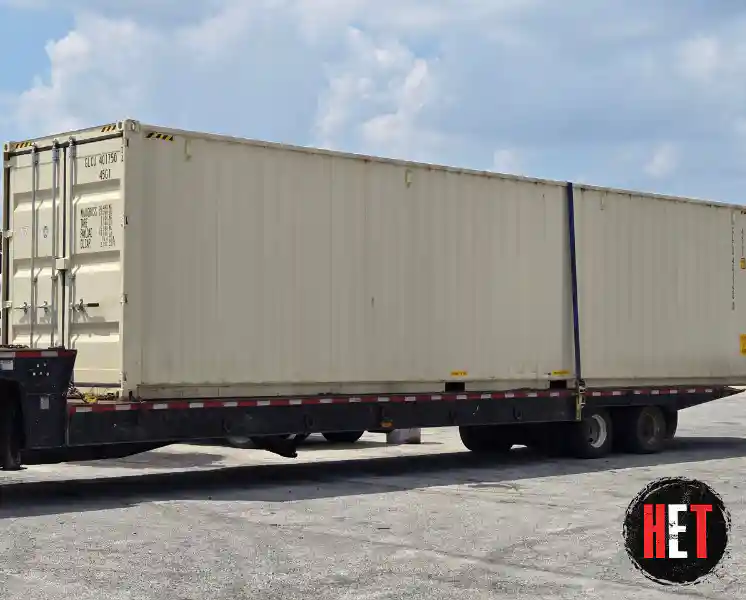
Need A Specific Transport?
Where Is Your Heavy Equipment Headed