
No Compromises. Full Results.
Speak with a logistics expert - we’ll handle
your transport from A to Z.

Nationwide

Experience

Experts
Why should you choose HET for shipping a container in Kentucky?
Heavy Equipment Transport is ISO 9001 certified and delivers over 1,500 container shipments annually nationwide.
This year, we have already surpassed that number, with 589 containers moved to or from Kentucky. We prioritize on-time delivery, which typically saves our clients around 16%.
We are licensed by the FMCSA (MC-693977) and offer $250,000 in coverage. Additionally, we are GSA-certified and a FEMA Partner Approved company. For seven consecutive years, we have been recognized as a potential Inc. 5000 fastest-growing company.
With over 16 years of experience, our team of 140 logistics experts operates from locations in Florida, Ohio and Kentucky.
Confirm Container Transport Details
Confirm with confidence.
Get pricing that fits your route and load.
Reliable Container Moving Services in Kentucky
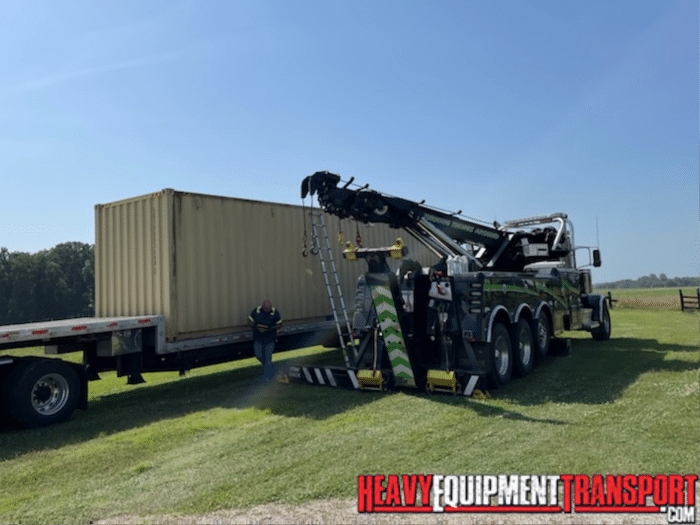
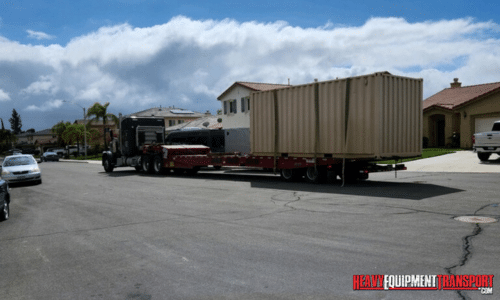
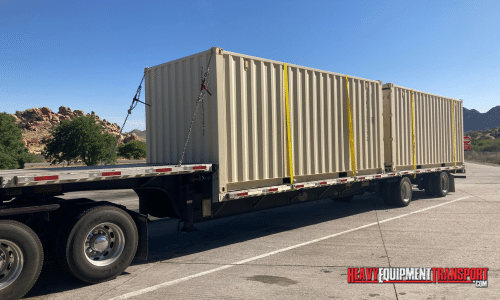
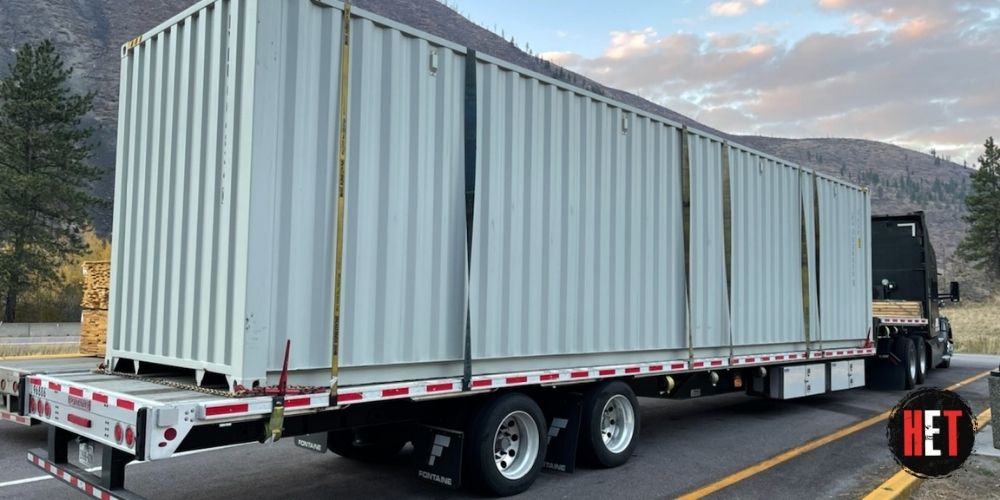
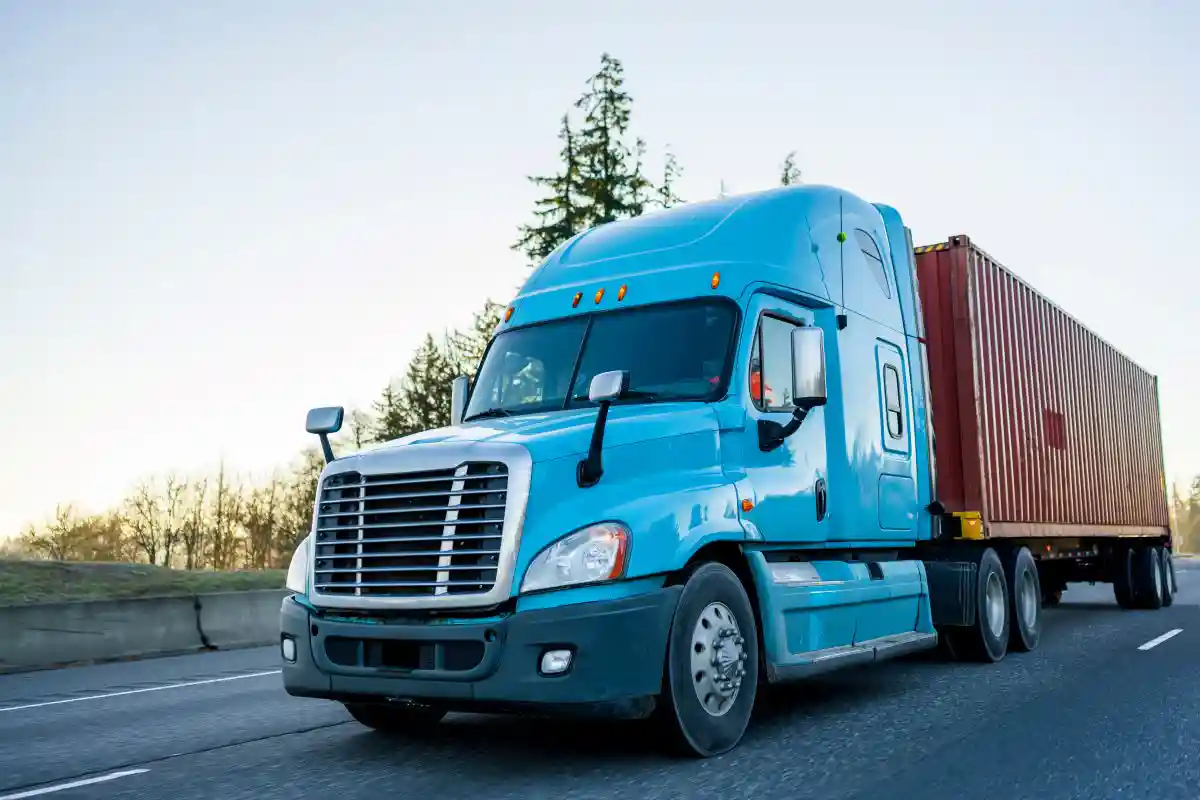
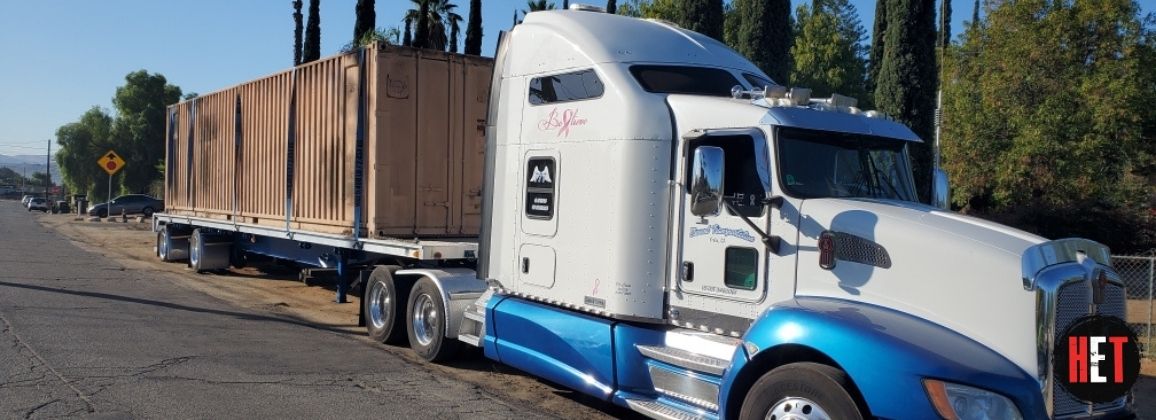
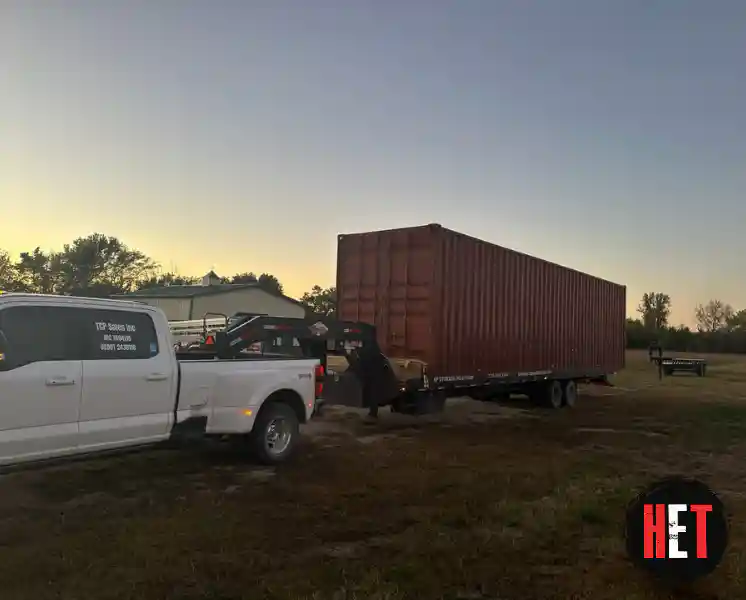
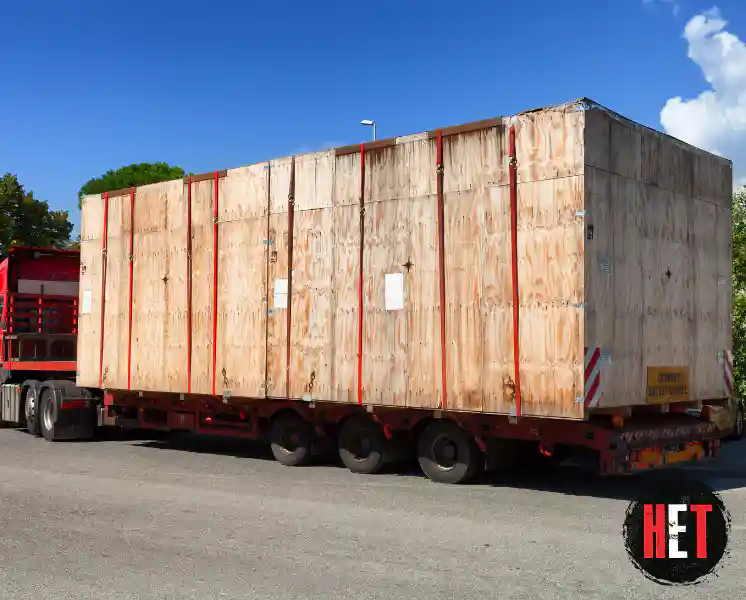
When transporting containers in Kentucky, Heavy Equipment Transport is your trusted, licensed and bonded mover. We utilize a variety of trailers, including flatbeds, to efficiently transport both full and empty shipping containers of all sizes, including 20 ft and 40 ft options.
Our agents will recommend the best trailer based on the size and weight of your shipment, process all necessary paperwork, and ensure that all required documents are prepared.Each consignment is assigned a dedicated agent available for client inquiries until delivery.
Safe and Timely Container Moving Services in Kentucky
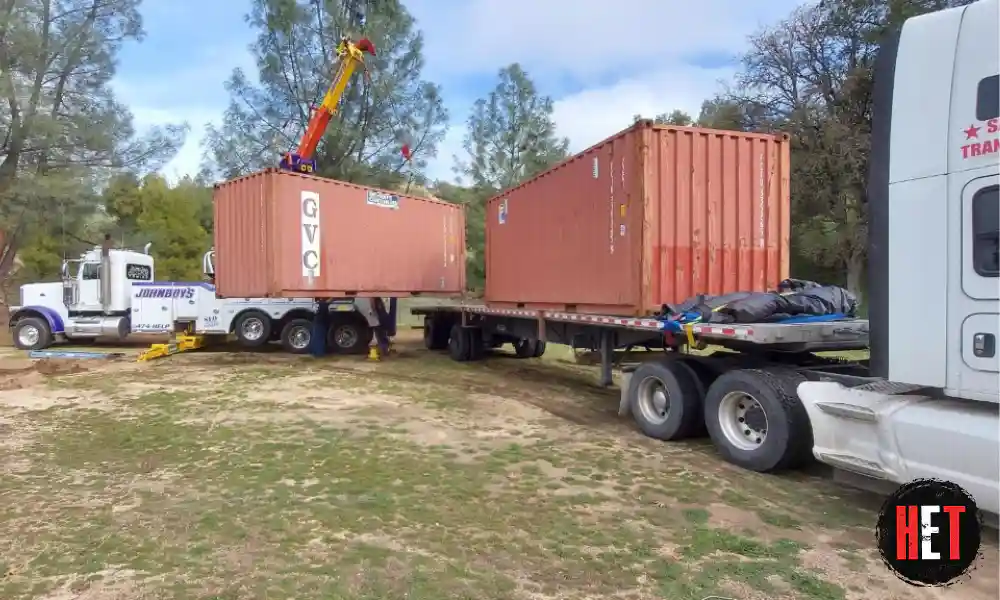
Heavy Equipment Transport ensures every shipping container we transport is fully insured. We also ensure that our clients, holders of the insurance cover, can go directly to the insurance company for compensation, without having to pass through us. We have drivers with years of experience.
We know the fastest and shortest routes to use when shipping cars in Kentucky. With Heavy Equipment Transport, your shipping container will be delivered to your destination safely and on time. We do all the work so that our clients can go about their day-to-day activities stress-free. We offer loading and unloading assistance at an extra fee.
Transport your loaded or unloaded container in Kentucky today!
What are the Main Ports in Kentucky for Shipping Containers?
Kentucky's main shipping hubs are not traditional large container terminals at seaports; instead, they are key inland river ports and logistics centers, mainly located along the Ohio River. The Port of Louisville, also known as the Jefferson Riverport, is the most central hub, along with important riverports in Paducah, Owensboro, and Henderson. These ports offer multimodal connections to ocean ports via the Mississippi River, as well as extensive rail and truck links for containerized cargo.
Key Kentucky Ports & Facilities
- Port of Louisville / Jefferson Riverport International: A major logistical center near Louisville on the Ohio River, providing Foreign-Trade Zone advantages, with rail access from CSX and Norfolk Southern, truck connectivity, and links to ocean ports such as New Orleans and the West Coast (LA/LB) for international shipments.
- Paducah-McCracken County Riverport: Situated at the confluence of the Tennessee and Ohio Rivers, this location serves as an essential inland port.
- Owensboro Riverport & Henderson County Riverport: Key inland ports along the Ohio River that facilitate the movement of cargo.
- Ports of Cincinnati and Northern Kentucky: A network of inland ports along the Ohio River, including these Kentucky facilities, makes it one of the nation's busiest inland port regions.
How do Containers Move to or from Kentucky?
- River-to-Ocean: Containers from the river ports in Kentucky are transported through the Ohio and Mississippi Rivers to the Port of New Orleans. From there, they are shipped directly to various destinations across the ocean.
- Rail/Truck to Major Seaports: For global trade, containers are typically transported via truck or rail from these Kentucky hubs to larger ocean gateways such as Los Angeles/Long Beach (LA/LB) or the East Coast (NY/NJ).
In essence, Kentucky serves as a crucial inland logistics center, connecting to global maritime trade through its robust river, rail, and highway infrastructure. That is why we have a headquarters in Kentucky, with experts who ship containers from KY to any place in the country or overseas.

Regulations and permits for shipping containers in Kentucky
Shipping container regulations in Kentucky vary by local city or county. Generally, these regulations require local permits, which are often temporary, for storage or dwelling purposes. There are restrictions on placement, such as setbacks from property lines and prohibitions on front yard placement. Containers must be in good condition and free from blight.
There are often limits on how long a container can stay in one place, usually around 30 days, and they cannot be used as permanent homes in residential areas. Check with your local planning office for specifics on zoning and temporary-use rules.
Key Considerations and Regulations for Shipping Containers in Kentucky
- Local Zoning is Key: Kentucky's regulations vary; cities such as St. Matthews and Prospect have specific ordinances (like Chapters 96 and 98) governing placement, time limits, and appearance.
- Permits Are Often Needed: Be prepared to obtain a temporary storage permit, even for short-term use (e.g., 30 days), and possibly a building permit if you are converting it into a dwelling or permanent structure.
Residential vs. Industrial
- Residential/Ag Zones: One container is permitted for storage, but there are often restrictions concerning time, placement (behind the front line of the home), and condition.
- Industrial Zones: Generally, there are fewer restrictions, allowing for multiple containers and stacking.
Placement Rules:
- Setbacks: You must comply with the minimum side and front-yard setback regulations for your zoning area.
- Location: Cannot block driveways or roads; must be placed on a stable, level surface; sometimes allowed only in driveways, not front yards.
Condition & Appearance
- The items must be well-maintained, rust-free and visually appealing. Additionally, certain areas need to display logos or phone numbers clearly.
Dwelling Units
- Using containers as permanent homes, such as ADUs, is highly regulated and often requires complete building permits, insulation, and adherence to specific structural requirements, similar to those for new construction.
Ready To Get Started?

Container Transport Cost in Kentucky
Heavy Equipment Transport offers affordable container moving services in Kentucky. Our container transport cost is all-inclusive without any hidden fees.
Our container moving rates are determined based on factors such as loading and unloading assistance, route, moving distance, size, and weight.
The more the number of miles covered, the more you pay. We offer free and accurate container moving rates.
Get your Kentucky container transport rate today
Our Recent Transports
 2.png)
MOBILE SURGERY UNIT CONTAINER SHIPPED ON AN RGN TRAILER
Transport DetailsOwensboro, KY
Sweetwater, TN
MJ Tutwiller helped transport this 28L 14W 11H and 30,000lbs mobile surgery unit container from Owensboro, KY to Sweetwater, TN on an RGN trailer safely. It was loaded on the trailer using a crane and escort vehicles were used to facilitate safe delivery. To ship a mobile surgery unit container at affordable rates, call us today!
Kentucky Shipping Container Transport FAQs by Category
Here are some frequently asked questions about shipping containers to or from Kentucky, organized by category:
Regulations and Permits for Shipping Containers in Kentucky
Do I need a permit for using a shipping container in Kentucky?
In Kentucky, if you want to use a shipping container in your home or business, you are going to need a permit. The type of permit will depends on how you plan to use it and how long it will be in your home or workplace. If you want to use it for temporary storage, you may need a short permit.
But if you're going to keep it for a long time, you will need a full building permit. This includes inspections and following local zoning rules. It's a good idea to contact your local planning office to find out exactly what you need.
Can shipping containers be used as homes or living units in Kentucky?
You can turn shipping containers into homes in Kentucky, but it's not as simple as it sounds. First, you will need to get a permit. The meaning of this is that you have to follow local rules about where and how you can build, just like with regular houses. In some rural areas, the rules are more relaxed. At the same time, cities such as Louisville and Covington have approved shipping container projects that require foundations, inspections, and professional sign-offs to ensure safety and code compliance.
Where can I find specific zoning information in Kentucky?
To find specific zoning information in Kentucky, check with your local city or county Planning/Zoning Department. Many of these departments have online resources, such as GIS portals—like LINK-GIS for Northern Kentucky.
You can also be in touch with the County Clerk or visit City Hall to inquire about local ordinances, as zoning regulations are managed at the regional, not the state, level. Additionally, many counties and cities provide online interactive maps (GIS) or downloadable zoning maps and codes for specific addresses or areas.
Are permits needed to transport a container to or from Kentucky?
Yes, you will need permits to transport a container to or from Kentucky, especially if it is heavy or oversized. If you are using a large truck, you will need a KYU number.
For dimensions or weights that exceed the limits (such as 80,000 lbs), you may need oversize or overweight permits from the Kentucky Transportation Cabinet (KYTC). If the container will be placed permanently on a property, local building permits may also be required.
Purchasing and Condition
What are the different conditions or grades of containers in Kentucky?
In Kentucky, the conditions of shipping containers range from Brand New (One-Trip) to Used (Cargo Worthy, Wind & Watertight, As-Is). These grades reflect the container's structural soundness, appearance (including dents and rust), and suitability for shipping, all of which influence the price. Specific designations, such as IICL (Excellent) and Food Grade, cater to particular storage or transport requirements.
Here are the common conditions and grades you will encounter:
Shipping Container Conditions
- One-Trip (New Container): This item has only been used once and is in nearly perfect condition, like new.
- Container Refurbished/Premium: The container has been cleaned, repaired and potentially treated for rust to improve its appearance and functionality.
- Used Container: A used container shows signs of wear from previous use. These containers can be assessed and categorized by condition.
Shipping Container Grades
- IICL (Institute of International Container Lessors): IICL is a container in great shape, well-maintained and meets high-quality standards.
- Cargo Worthy (CW): Means that a container is strong enough to be safely used for shipping. It may have some visible wear and tear, but it is still in good condition. A certification is required to confirm its usability.
- Wind & Watertight (WWT): Strong and waterproof, this shipping container is in good shape and can keep your items safe. However, it shows signs of use, including scratches, dents, and some rust.
- As-Is: This container is being sold as it is, meaning there are no promises about its condition. It's often meant for repairs or specific projects.
- Food Grade: Food-grade containers are safe and suitable for storing food. They are clean, won't retain any smells and keep water out, making them perfect for transporting sensitive items without any risk of damage.
When buying a shipping container in Kentucky, it's helpful to know the different quality options available. These grades can help you choose a container in excellent condition for a "like-new" storage solution or a more budget-friendly option for your project.
Do shipping containers in Kentucky have titles?
Shipping containers, whether in Kentucky or elsewhere, do not come with titles like cars do. Instead, they are considered large pieces of equipment. When you buy a shipping container, proof of ownership is provided by the seller's receipt or bill of sale, not a title as you'd get from the Department of Motor Vehicles (DMV).
However, if you plan to set it up permanently, you may need some local permits, especially if it's for a residential setting. You can think of shipping containers as sturdy items rather than as vehicles that need to be registered for the road.
What should I inspect before buying a used container in Kentucky?
Before buying a used shipping container in Kentucky, check the roof for holes or rust and inspect the walls for dents or damage. Ensure the doors, hinges and seals function properly and that the floor is sound without soft spots or water damage. If you plan to use it for shipping, verify the 'Cargo-Worthy' status on the CSC plate.
Dimensions and Types
What are the standard sizes of shipping containers in the United States, particularly in Kentucky?
In the United States, including Kentucky, the most common sizes for shipping containers are 20 feet and 40 feet long. All of these containers are 8 feet wide.
They typically come in two heights: the standard height is 8 feet 6 inches, while the taller option, known as a high cube, is 9 feet 6 inches high. The 40-foot high cube containers are especially popular for storage, along with the 20-foot containers. There are also some other sizes available, like 45-foot containers and smaller 10-foot options, but the 20-foot and 40-foot containers are the most popular and most used around the world.
What is a High Cube container?
A high cube container is a shipping container that is one foot taller than a standard container, with an external height of about 9 feet 6 inches instead of 8 feet 6 inches. This extra height offers increased storage volume, making it ideal for bulky or light cargo and for conversions like offices or homes that require more height.
Are there specialized types of containers in Kentucky?
Yes, a wide variety of specialized shipping and storage containers are available in Kentucky from numerous suppliers and logistics companies like HET. These containers are designed to meet diverse needs, from temperature-sensitive storage to the transport of oversized items.
- Refrigerated Containers (Reefers/Frigotainers): Refrigerated Containers are ideal for transporting or storing climate-sensitive goods, such as perishable foods, medical supplies, or other temperature-sensitive items.
- High Cube Containers: High Cube Containers are designed with extra vertical space, giving you about one more foot than regular containers. This additional height makes them perfect for storing taller items or maximizing your storage space.
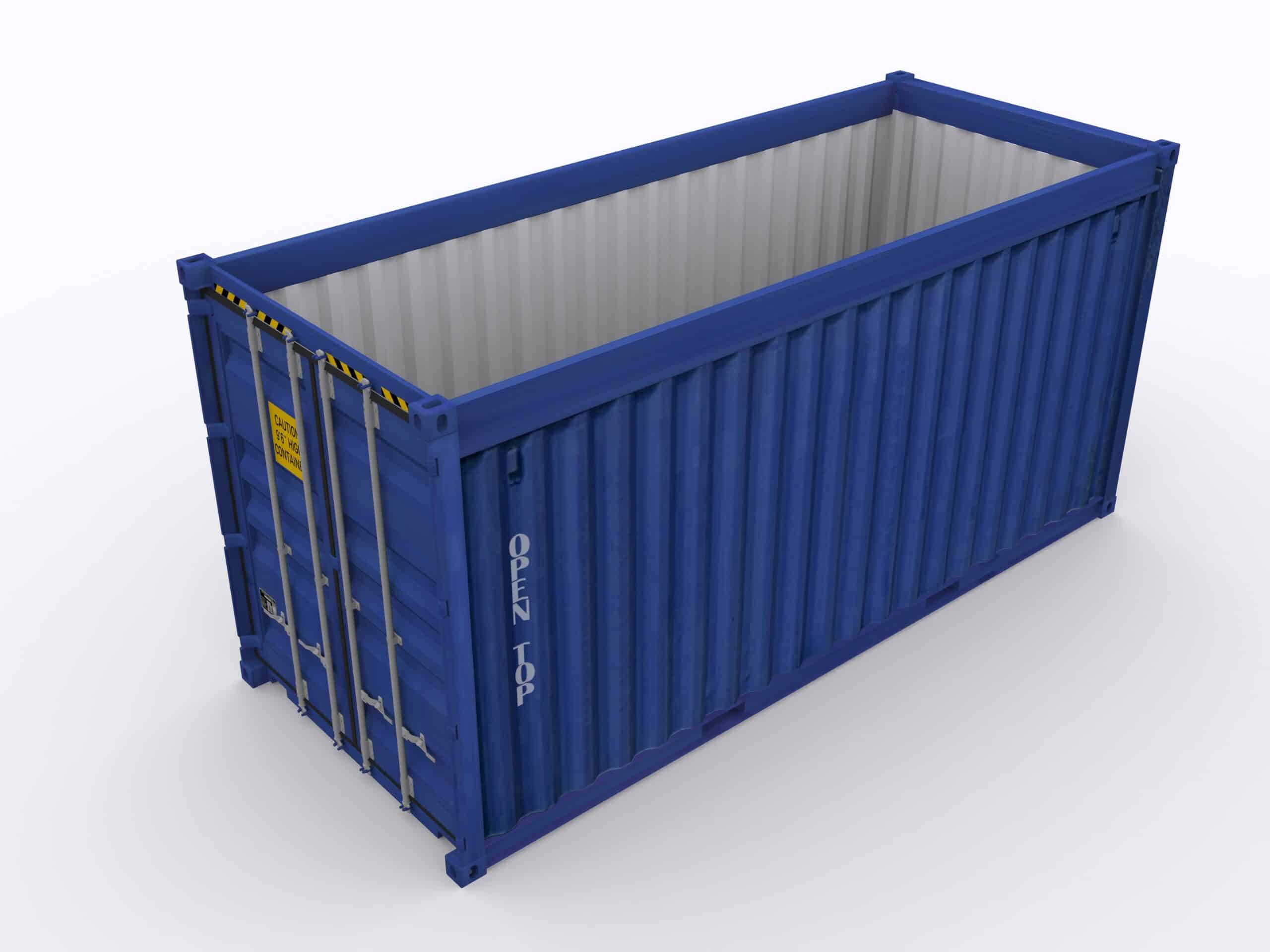
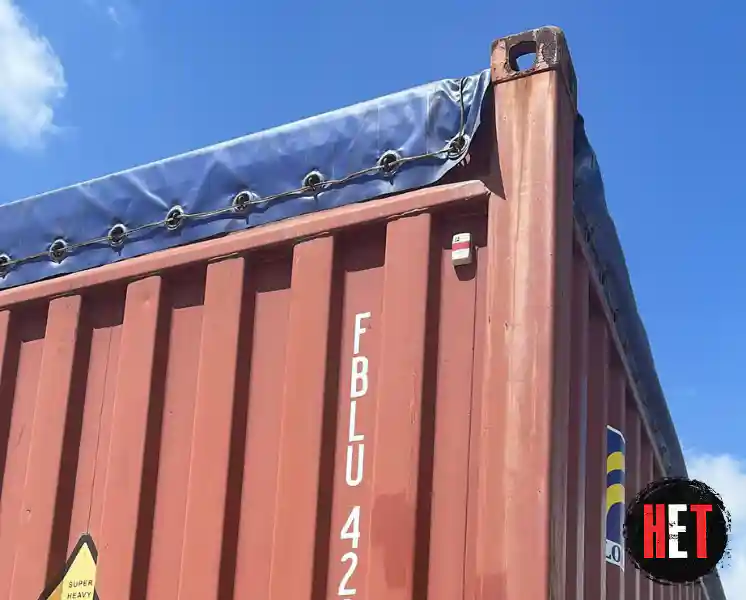
- Open Top Containers: Open Top Containers are specially designed to hold items that are taller than what can fit through standard doors. These containers come with a removable cover—either soft or hard—which makes it easy to load and unload cargo from the top. This feature is especially useful for transporting oversized materials.
- Open-Sided Containers: Open-sided containers have doors on the sides, making it easy to access what's inside. This design is especially helpful for storing larger or oddly shaped items, as you can reach them more easily.
- Flat Rack Containers: Flat Rack Containers are shipping containers that don't have full side walls or, in some cases, end walls. This design makes them perfect for transporting very heavy or wide items that need to be securely placed on a flat surface.
- Half-Height Containers: Half-height containers are shorter than standard shipping containers and are designed for heavy, dense items. This type of container facilitates the safe and efficient distribution of weight during transportation.
- Tank Containers: Tank containers are special containers used to transport large amounts of liquid. They are designed to safely carry various liquids, making it easier to move bulk goods or liquids from one place to another.
- Double Door Containers: Double Door Containers are special shipping containers that have doors on both ends. This design makes it easier and quicker to load and unload items, a process many in the industry refer to as "dou-cone."
Delivery and Transport
How are containers transported and delivered in Kentucky?
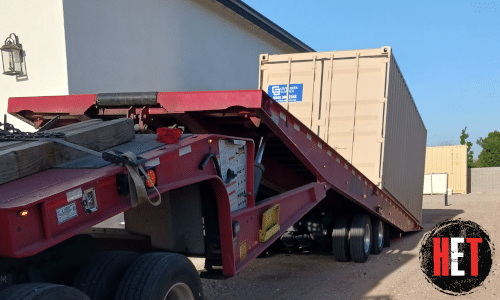
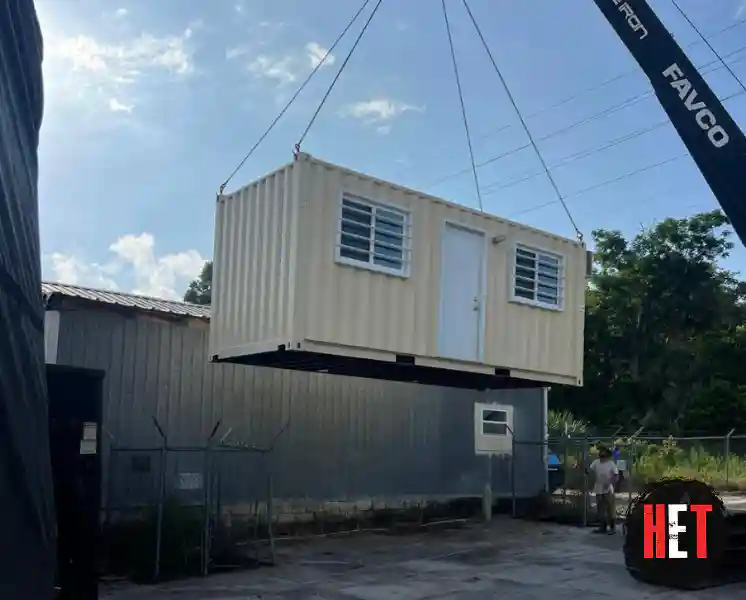
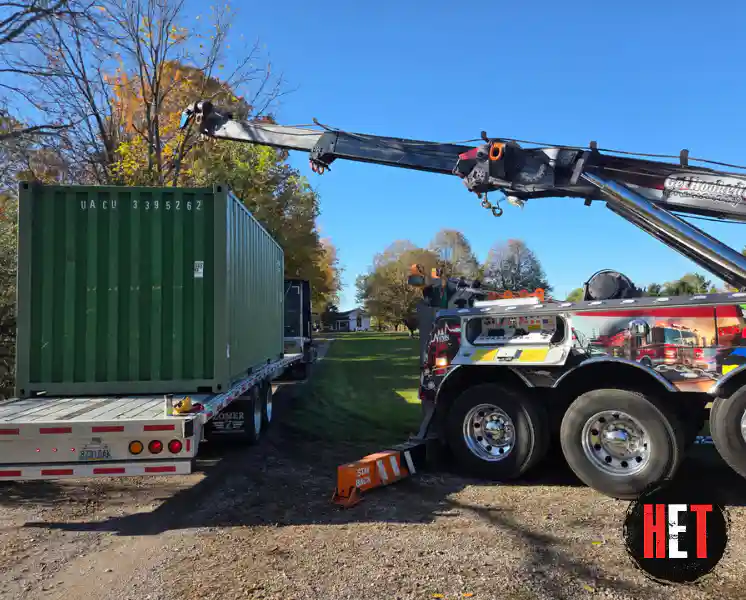
In Kentucky, containers are moved using trucks with special trailers, such as flatbeds and stepdecks. Sometimes, rail transport is used as well. For smaller containers, tilt-bed trucks are often used, while sidelifters and cranes help place containers exactly where they need to go.
These containers are transported to and from ports, like those along the Ohio River, and airports such as Cincinnati/Northern Kentucky International Airport (CVG) and Louisville International Airport (SDF). Different transportation methods are used depending on the distance, from local deliveries to longer freight trips across the state.
How much does container transport cost in Kentucky?
Transporting containers in Kentucky costs approximately $2.95 per mile. This final shipping container price will change based on factors such as distance, container size (20-foot vs. 40-foot), weight, season, fuel prices, and specific ports like Cincinnati or Louisville. For local or regional transport and deliveries, prices typically range from $2.90 to $3.00 per mile. Longer trips or those involving large shipping centers may incur additional fees.
Cost & Quotes
How much does shipping a container in Kentucky cost?
Shipping a container to or from Kentucky averages $2.65 to $3.00 per mile for standard freight. Prices may vary, so contact HET for an accurate quote.
How can I get an accurate quote?
For an accurate shipping container quote to or from Kentucky, contact Heavy Equipment Transport with your specific needs and request a detailed breakdown. Clarify the terms and any additional costs upfront to avoid misunderstandings.
Are there any hidden fees when I request a container transportation quote from HET?
HET (Heavy Equipment Transport) offers transparent pricing, but container shipping may include additional charges such as Demurrage/Detention fees, Port Fees, and Fuel Surcharges, especially for international moves. If you're moving to Kentucky, check if your HET quote covers these additional fees. Hidden costs can arise due to handling, distance, or peak seasons, so it's essential to confirm all potential charges upfront.
Oversize & Overweight Regulations
Do I need permits to ship a container in Kentucky?
You likely need permits to place or move a shipping container in Kentucky, depending on its use (temporary vs. permanent) and local zoning regulations. This may include building permits, temporary use permits, or oversized transport permits from the Kentucky DOT. Rules differ by location, so consult your local planning or zoning department, as well as the Kentucky DOT, for transport guidelines.
Do I need planning permission in Kentucky to place a shipping container on my property?
In Kentucky, shipping containers require a permit, which may require zoning, building, or temporary-use approvals. Regulations vary by location but often classify containers as accessory structures, subject to setbacks, size limits (e.g., over 200 square feet) and use (temporary or permanent). Check with your local city's zoning and planning department for specific rules.
What items are prohibited from being transported in a container to or from Kentucky?
Prohibited items in shipping containers to/from Kentucky include explosives, flammable materials, compressed gases, poisons, radioactive materials, biological hazards, ammunition, illegal drugs, live animals/plants, certain chemicals, household cleaners, and open alcohol containers. Check with your carrier and be aware of federal HAZMAT regulations and Kentucky's open container laws.
What are the access requirements for delivery?
To deliver a container in Kentucky, it is essential to ensure adequate site clearance for the delivery truck, maintain suitable ground conditions, and obtain any required local zoning or oversize permits.
Container Types & Specifications
What container sizes are commonly available in Kentucky?
In Kentucky, the most widely used shipping containers are 20 feet and 40 feet long. There's also a popular 40-foot High Cube container, which is taller inside and provides extra space for larger items. If you need something different, there are smaller options like 10- and 16-foot containers, as well as larger ones like 45- and 53-foot containers, which may be available depending on specific requirements. All of these containers are 8 feet wide.
What is the weight of an empty shipping container?
The weight of an empty shipping container varies based on its size. For example, a standard 20-foot container typically weighs between 4,500 and 5,000 pounds (approximately 2,050 to 2,300 kg). In contrast, a larger 40-foot container generally weighs around 8,200 to 8,800 pounds (or about 3,720 to 4,000 kg). Understanding the empty weight of these containers is crucial for calculating their total weight when loaded with goods. You can usually find this information on a sticker on the container doors.
What are the ISO specifications in Kentucky?
Kentucky utilizes several ISO standards, including ISO 18013-5 for mobile driver's licenses and ISO 19115 for geospatial data. The state also supports ISO 9001 (Quality), ISO 14001 (Environmental Management), and ISO 45001 (Health and Safety) for businesses. Assistance is often provided by CIRAS at Kentucky State University and private consultants.
Choose Your Region In Kentucky And Get A Container Shipping Quote!
Regions
Don’t see your city or town listed?
No problem! Call now and speak with a live logistics agent.
We’ll get your container delivered to where you need it.
Shipping Container Transport Dimensions and Specifications
Kentucky container transport costs vary based on distance, port terminal, container status (loaded or empty), permits, routing, and delivery requirements. Submit your details above to receive accurate pricing and availability for your move.
Popular Container Services
See All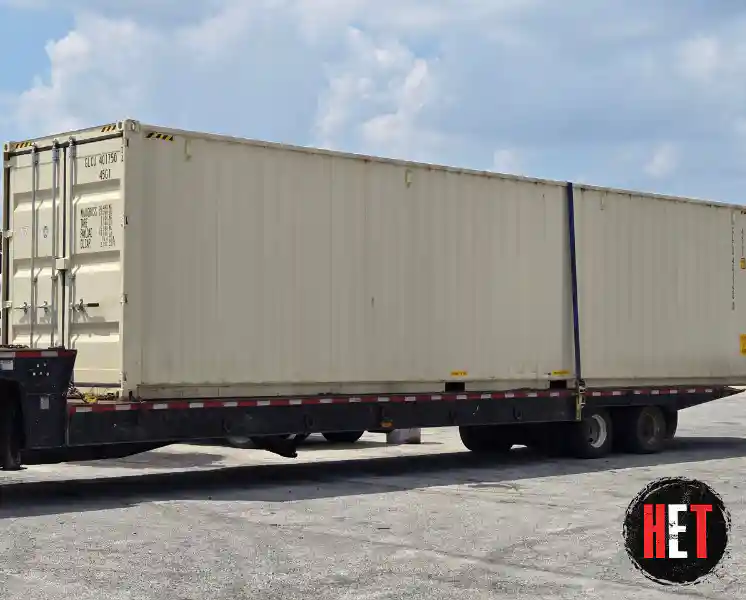
Need A Specific Transport?
Where Is Your Heavy Equipment Headed