
No Compromises. Full Results.
Speak with a logistics expert - we’ll handle
your transport from A to Z.

Nationwide

Experience

Experts
Alaska Container Relocation and Delivery Services with Heavy Equipment Transport
Heavy Equipment Transport specializes in reliable container moving services across Alaska, providing efficient solutions for relocating your containers safely and on time. Whether you need to transport fully loaded containers or empty ones, our experienced team ensures your cargo is handled with care and delivered safely to its final destination.
Our services cover key locations including central Alaska, Sitka City, Wrangell City, and the Hyder Census Area. We utilize a fleet of flatbed trailers and specialized equipment designed to handle shipping containers of all sizes and weights. Our fully insured transport options guarantee peace of mind, while our affordable rates and transparent pricing mean no surprise additional cost for our customers.
At Heavy Equipment Transport, we understand the unique challenges of container transport in the Last Frontier. From pick up at major ports like the Juneau Port and Ketchikan Port to seamless delivery across Alaska's census areas, we coordinate every step to ensure your container is securely transported. Whether you are relocating household goods, construction materials, or commercial inventory, trust the right company to manage your container moving needs.
Request a free quote or free estimate today and experience professional container relocation and delivery services tailored to your schedule and budget. Let Heavy Equipment Transport be your partner in moving containers safely across Alaska and beyond.
At Heavy Equipment Transport, our top priority is our clients. We offer the best container transport services in Alaska because you deserve exceptional service.
Confirm Container Transport Details
Confirm with confidence.
Get pricing that fits your route and load.
Why choose HET for transporting shipping containers in Alaska?
HET transports shipping containers to and from Alaska. This year, we delivered 801 containers with a 98% on-time delivery rate.
Heavy Equipment Transport is an ISO 9001-certified company that has transported over 1,500 container shipments this year, maintaining a high on-time delivery rate. We offer clients an average cost savings of 18%, depending on the service, and are fully licensed by the FMCSA under MC-693977 with a coverage limit of $250,000.
As a GSA-certified and approved FEMA partner, we have been recognized for seven years as a potential Inc. 5000 fastest-growing company. With over 16 years of experience, our team of 140 logistics experts operates in Florida, Kentucky, Ohio, and Hawaii.
Specialized Equipment for Efficient Container Transport
To handle the unique challenges of transporting containers in Alaska, we utilize advanced equipment such as sidelifter trucks capable of loading and unloading containers without cranes, flatbed trailers, and hotshot trucks. This equipment allows us to transport containers safely across varied terrain and weather conditions while minimizing ground impact and ensuring compliance with state regulations.
Guaranteed Quality Shipping Container Moving Services To and From Alaska
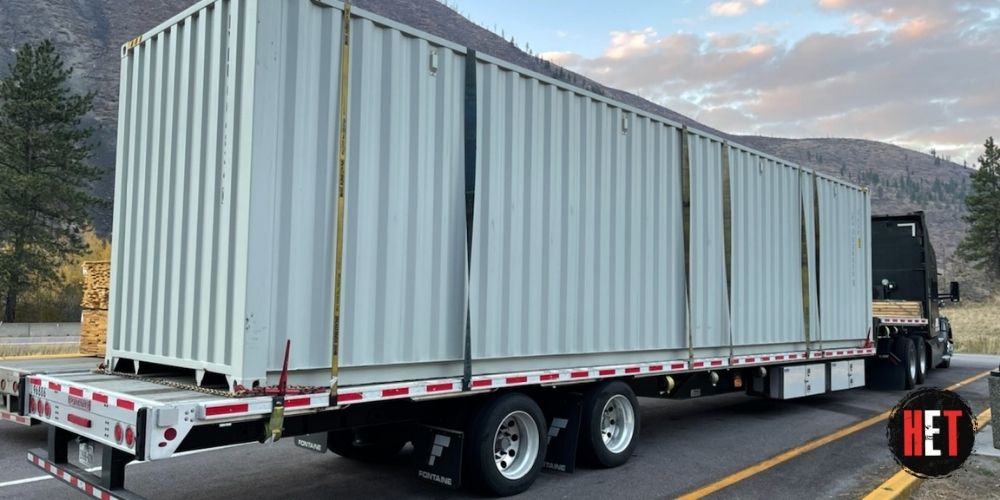
Heavy Equipment Transport is a licensed/insured company in Alaska specializing in container moving services. We offer safe and timely shipping for both standard and custom containers, whether for domestic or international port-to-port delivery. Our experienced team is ready to assist you.
Best Price to Send Your Container from the U.S. Mainland to Alaska
HeavyEquipment Transport (HET) is a trustworthy choice for transporting oversized and heavy equipment and containers to Alaska, with costs ranging from $2,500 to $7,000 for small to large units.
We also have no hidden fees and no upfront deposit. It is important to avoid peak travel times; this way will help you save, as prices vary based on size, route, and time of year.
Key Factors Influencing Price:
- Size & Weight: A 20-foot container is less expensive than a 40-foot container, and filled containers have a higher cost compared to those that are empty.
- Pickup and dropoff locations/distance: Prices differ significantly between locations, for instance; shipping a container from California to Anchorage vs. Texas to Kodiak.
- Mode of Transport: Contacting Heavy Equipment Transport (HET) combined with ocean shipping offers the most cost-effective solution for transporting large quantities. In contrast, while air shipping is faster, it carries a significantly higher price tag.
- Time of Year: Avoiding busy seasons, like summertime and planning and getting the final price 4 weeks in advance of your shipping date can help you get the cheapest quote when shipping a container to or from Alaska.
We also offer cranes and professional teams to help load and unload your containers and machinery for an additional fee.
Transport your loaded or unloaded container in Alaska today!
Rigging Services for Alaska Container Transports
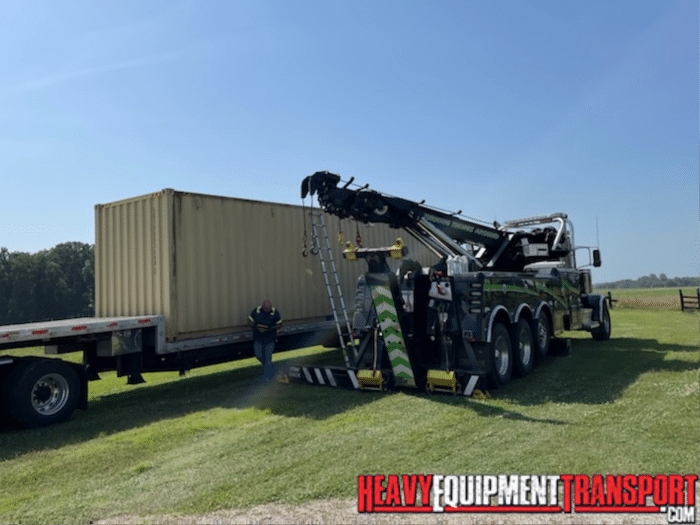
Heavy Equipment Transport offers expert rigging services essential for the safe loading, unloading, and securing of containers in Alaska's challenging environments. Our skilled rigging team uses specialized equipment such as cranes, forklifts, and sidelifter trucks to handle containers of various sizes and weights efficiently. We ensure that all rigging operations comply with Alaska's safety regulations and industry best practices.
Our rigging services include lifting fully loaded containers onto trailers, repositioning containers within storage yards, and offloading at final destinations. We also provide customized rigging solutions for oversized or awkwardly shaped cargo inside containers, guaranteeing secure transport throughout the journey.
By combining our rigging expertise with advanced equipment, we minimize the risk of damage to your container and cargo while optimizing loading times. Whether you require rigging support at major ports like Anchorage or remote locations across Alaska, Heavy Equipment Transport is equipped to meet your needs with professionalism and reliability.
Contact us today to learn more about our rigging services and how we can facilitate your Alaska container transport with safety and efficiency.
Transporting Containers from Other States to Alaska
Our services extend beyond Alaska, facilitating container moves from other states to Alaska and vice versa. We coordinate intermodal transport involving trucking, ocean shipping, and rail, ensuring your container is safely delivered regardless of origin. Our expertise in securing permits and managing logistics across state lines guarantees a smooth transition for your shipment.
Ensuring Safety and Compliance in Container Moves
Safety is a top priority at Heavy Equipment Transport. We follow strict protocols for securing containers during transport, including the use of chains, binders, and other securing devices. Our drivers are trained to handle oversized loads and comply with Alaska DOT regulations, including permit requirements and travel restrictions, to ensure your container arrives safely and on time.
Contact Heavy Equipment Transport for Your Alaska Container Move
Ready to move your container safely and efficiently in Alaska? Contact Heavy Equipment Transport today for a free estimate. Our dedicated team is ready to assist you with all your container moving needs, from securing permits to final delivery. Trust us to safely deliver your container, no matter the size, weight, or destination within Alaska or from other states.
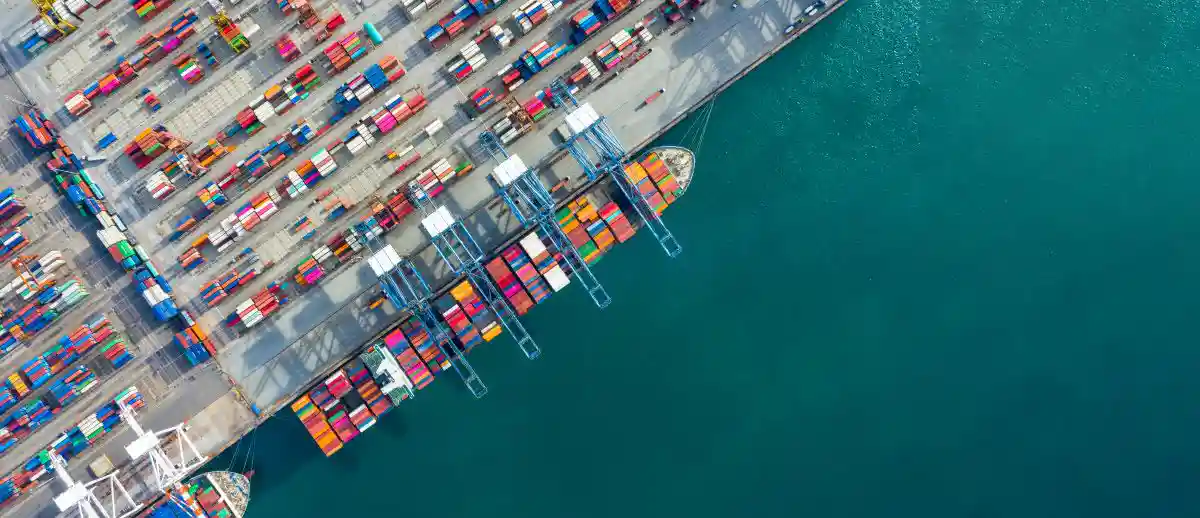
Reliable Container Moving Services To and From Alaska
Heavy Equipment Transport stands out as a trusted alaska container movers company in Alaska, offering comprehensive container moving services tailored to meet diverse needs. Whether you require the relocation of empty containers, fully loaded units, or specialized cargo such as cars, our team ensures safe and timely delivery across the state and beyond.
Understanding container moving costs is essential for budgeting your shipment. Our transparent pricing reflects factors including container size, weight, lease options, and distance, helping you avoid unexpected expenses. We work closely with clients to provide accurate container moving costs estimates, customized to each project's specifics.
Our company in Alaska leverages advanced equipment like sidelifter trucks and flatbeds, allowing us to handle complex moves efficiently. From urban centers to remote locations, Heavy Equipment Transport navigates Alaska's challenging terrain and weather conditions to deliver superior service.
Choose Heavy Equipment Transport for reliable, cost-effective container moving services in Alaska. Contact us today to discuss your requirements and receive a personalized quote tailored to your schedule and budget.
Key Factors That Influence Alaska Container Hauling Prices
- Size & Weight: A 20-foot container is less expensive than a 40-foot container, and filled containers have a higher cost compared to those that are empty.
- Pickup and dropoff locations/distance: Prices differ significantly between locations, for instance; shipping a container from California to Anchorage vs. Texas to Kodiak.
- Mode of Transport: Contacting Heavy Equipment Transport (HET) combined with ocean shipping offers the most cost-effective solution for transporting large quantities. In contrast, while air shipping is faster, it carries a significantly higher price tag.
- Time of Year: Avoiding busy seasons, like summertime and planning and getting the final price 4 weeks in advance of your shipping date can help you get the cheapest quote when shipping a container to or from Alaska.
We also offer cranes and professional teams to help load and unload your containers and machinery for an additional fee.
Transport your loaded or unloaded container in Alaska today!
The most important ports for shipping containers in Alaska
Key Alaskan Shipping Container Transport Ports
Port of Alaska (Anchorage):
Alaska's busiest and most important port takes care of a lot of different types of shipments, including boxes, bulk goods, and liquids. It serves as the main entry point for all of these supplies coming into the state.
Seward Port:
This article from Unisco highlights an important center for shipping goods, seafood, and tourism. It also has strong connections to the Alaska Railroad, making it a key location for travel and trade.
Kodiak Port:
This important port plays a crucial role in the fishing industry and is served by regular shipping containers, according to information from Marine Insight and the Alaska Department of Transportation.
Ketchikan:
A significant port in Southeast Alaska plays a crucial role in trade and tourism in the region, according to Arctic Portal.
Dutch Harbor Port:
The area is active with many boats, especially fishing boats and other ships that travel farther out. This busy activity helps ensure that these boats receive regular supplies and services.
Why are these ports important for shipping container service in Alaska?
Alaska's key ports are vital for container shipping, distributing essential goods like food, fuel, and construction materials to the state's remote population. They also serve as important intermodal transport hubs, connecting marine, road, rail, air and pipeline systems.
Supply Chain Backbone
Ports like Anchorage play a vital role in getting essential supplies to Alaskan communities that are far from the main roads or located in remote areas. This helps ensure that people in these places have access to the goods they need.inals, INC.
Logistics Hubs
They use a variety of facilities, like docks, cargo storage areas, and cranes, to manage different types of goods. For more information, you can check out the Port of Alaska's about page and an article from Inland Rivers, Ports & Terminals, Inc.
Regional Connectivity
The ports in Kodiak, Dutch Harbor, and Ketchikan play important roles in supporting the local economy, especially for the large fishing industry.
Alaska-Mainland Intermodal Transport
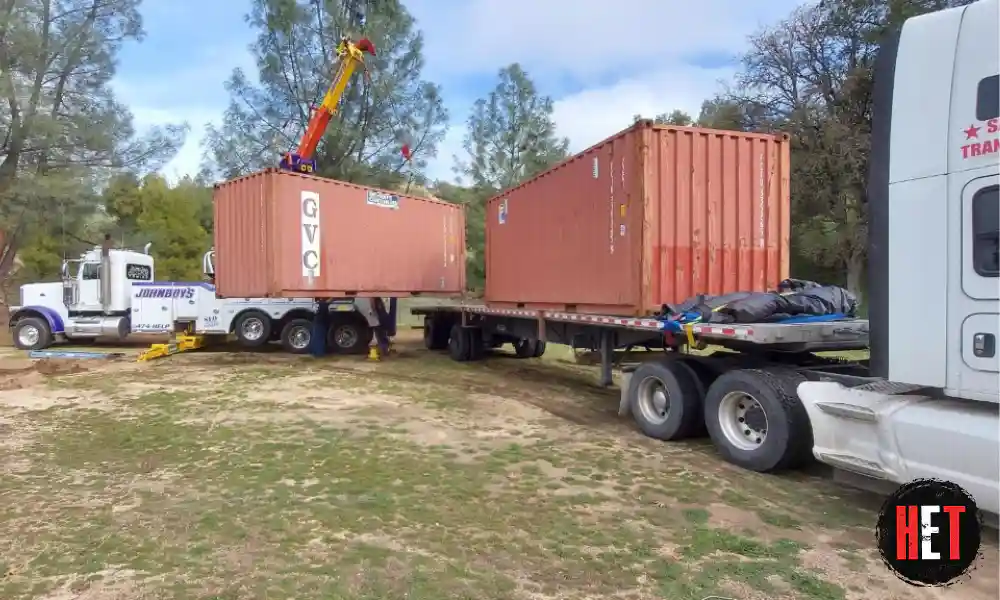
Alaska-Mainland Intermodal Transport connects the Lower 48 states to Alaska via ocean, rail, and truck services, shipping containers and breakbulk freight from Seattle/Tacoma to Whittier and Anchorage. Inland delivery is handled by the Alaska Railroad, trucks and barges. Carriers like Matson, Alaska Marine Lines, and TOTE Maritime support this system, which handles a range of cargo, including heavy shipments, while addressing Alaska's unique logistical challenges.
Example of Intermodal Transport: Shipping from the San Diego, CA to Anchorage, AK
An intermodal container shipment from San Diego, CA to Anchorage, AK uses a Truck-to-Ship-to-Truck transport service. This process begins with trucking goods from a facility in San Diego to a West Coast port, for instance, the Port of Los Angeles or the Port of Long Beach. Subsequently, the cargo is transported via container ship or barge across the Pacific Ocean to Anchorage.
Finally, another truck is used for the last leg of delivery within Anchorage or elsewhere in Alaska, utilizing standardized containers to facilitate smooth transitions between transportation modes.
Step-by-Step Example: Intermodal USA-Mainland to Alaska
- First Mile (Truck): Goods are packed into a conventional shipping container at a warehouse in San Diego, California and then transported by truck to a prominent West Coast seaport, such as the Port of Los Angeles or Port of Long Beach.
- Long Haul (Ocean Vessel): The container is placed onto a sizable cargo ship or barge for transport across the sea to Anchorage, Alaska.
- Last Mile (Truck): Upon reaching Anchorage, the container is removed from the vessel and loaded onto a truck for its final delivery to either the recipient's location or a distribution center in Alaska.
Transport your loaded or unloaded container in Alaska today!
Alaska-Mainland Intermodal Transport Key Features and Benefits
Alaska-Mainland Intermodal Transport uses sea, rail, truck and air to move freight efficiently. Utilizing standardized containers and advanced technology ensures smooth transfers, leveraging rail's fuel efficiency to cut costs, minimize cargo handling, and address Alaska's logistical challenges.
Features: Intermodal Services Connecting the Mainland and Alaska
Multimodal Integration
Employs a strategic combination of ships, trains, trucks and airplanes to optimize routing efficiency, capitalizing on the strengths of each transportation mode—utilizing rail for long distances and trucks for final delivery.
Standardized Containers
Employing the best methods for transportation and communication across various modes reduces management complexity and lowers overall operational costs. By adopting a more integrated logistics and resource management strategy, organizations can optimize workflows, increase efficiency and enhance operations. As a result, companies can not only enhance their productivity but also achieve substantial savings, ultimately leading to a more sustainable and effective business model.
Advanced Technology
Incorporates digital tracking - GPS, automated categorization and integrated systems that offer complete visibility across the entire process.
Specialized Infrastructure
Utilizes strategically located freight terminals for consolidation, inspection, and transfers, along with specialized equipment such as high-capacity containers and unique chassis.
Single Point of Contact
Typically organized by a single provider to streamline communication and reservations, even when multiple modes of transportation are utilized.
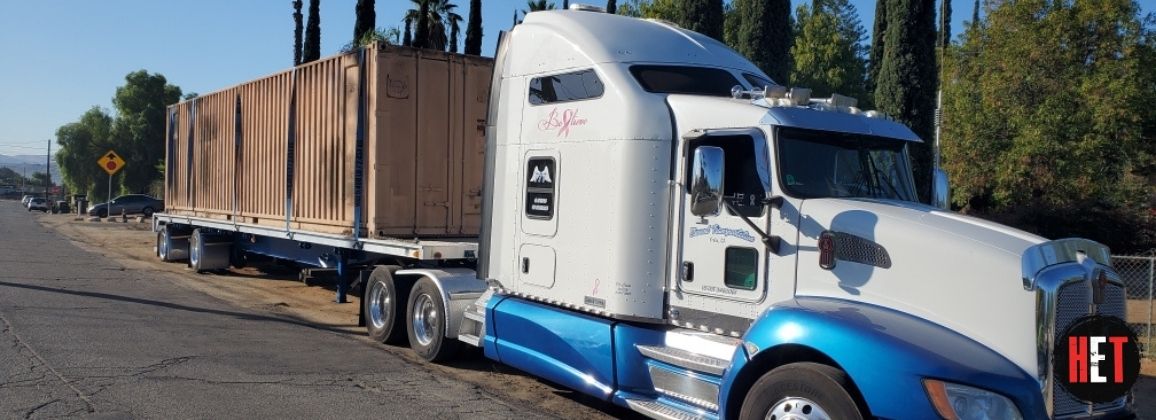
Mainland and Alaska Intermodal Transportation Advantages
Cost Savings
Utilizing fuel-efficient rail for long-distance transport can lead to significant cost savings while also minimizing the need for manual handling.
Enhanced Security & Safety
Continuous container seals, reduced handling, and professional management minimize theft and damage.
Environmental Friendliness
Reduced emissions due to decreased reliance on long-distance trucking and greater use of new technologies that help reduce pollution.
Operational Flexibility
Versatile in accommodating various freight dimensions and highly efficient in managing large volumes.
Reliable Capacity
Provides consistent, trustworthy and the best shipping container transport service in Alaska, even in challenging freight market conditions, by effectively addressing and alleviating bottlenecks.
Maximized Space
High-capacity big containers and decking systems enhance freight density, enabling more efficient transportation.
Permits and regulations for shipping containers and oversized equipment in Alaska.
In Alaska, if you need to transport large shipping containers or oversized equipment, you'll need permission from the state's Department of Transportation (DOT) if they are wider than 8 feet 6 inches, taller than 14 feet, or longer than 53 feet. You can only move these large items during the daytime from Monday to Saturday and the permits you get are good for 3 to 5 days.
To make things easier, you can apply for a single trip permit online through the Alaska DOT, but be aware that there are certain size limits and route rules you'll have to follow.
Transport Permits from the Alaska Department of Transportation (Alaska DOT)
When Needed
If your shipping container or equipment is larger than usual, it may cause some issues. If it is wider than 8 feet 6 inches, taller than 14 feet, longer than 53 feet, or heavier than 80,000 pounds in certain areas, you need to be aware of potential restrictions.
How to Get
You can apply for permits for one trip or multiple trips by using the MyAlaska online permit portal.
Restrictions
Permits last for about 3 to 7 days. During this time, you can travel from Monday to Saturday, but only when it's light outside, which is from sunrise to sunset.
Types
Permits are required for moving large vehicles or heavy loads that cannot be broken down into smaller parts. These permits ensure that both oversized and overweight items can be transported safely on the roads.
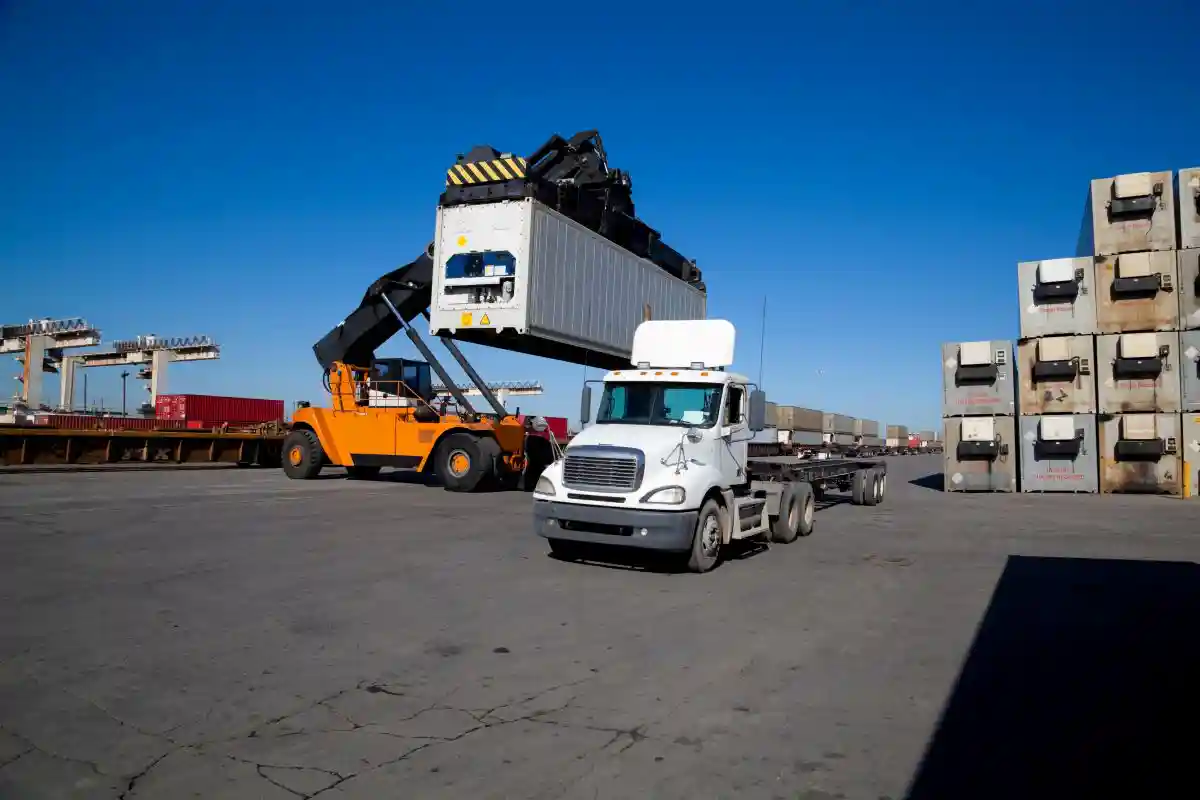
Using Containers as Structures at the Municipal Level in Alaska
Zoning
When using shipping containers for storage or offices, it's crucial to follow local land use and zoning regulations. Check with your city or town to ensure compliance, as seen in Fairbanks, which has specific guidelines for container setups.
Building Permits
You need to get a building permit if you want to install something or make changes that will affect the outside of a building.
Local Variation
The rules for placing containers can be very different depending on where you are, so it's important to check with the local city or area, like Anchorage, to find out what the specific rules are.
FAQs About Shipping Container Transport in Alaska by Category
Transporting shipping containers in Alaska involves trucks, trains, ships and planes for different types of cargo. There are key challenges, including long distances, navigating specific highways like the Alcan and Parks, and using special containers such as reefer, flat rack and tank for items like raw materials and consumer goods. Important factors to consider are costs, transit times, prohibited items like hazardous materials and types of containers needed.
Cost and Estimates
How much does it cost to move a shipping container to or from Alaska?
Moving a shipping container to or from Alaska can be costly, averaging $2.65-$3.00 per mile for transport. Door-to-door costs range from thousands to over $10,000, depending on factors like container size (20ft vs. 40ft), specific locations, transport method (truck, rail, ocean), fuel prices and whether the container is full or empty. Typically, costs for major routes range from $1,400 to $10,500+, with complex moves potentially exceeding these amounts.
What causes shipping a container to Alaska to be more expensive?
Shipping containers to Alaska are more expensive due to isolation, harsh weather, limited infrastructure, high fuel costs and specific U.S. maritime regulations (Jones Act). These factors increase operational complexity and costs for carriers, leading to higher rates for consumers.
Does the time of year influence the price of container shipping to or from Alaska?
The cost of shipping containers to and from Alaska goes up during the summer and fall. This is mainly due to more tourists visiting and construction projects happening. In the winter, you might find cheaper shipping rates, but the bad weather can cause delays. From July to November, it's also harder to find available space on ships, which can further raise the prices of goods.
Logistics and Operations
What are the standard transit times for shipping a container in Alaska?
Shipping a container in Alaska typically takes 4-14 days for port-to-port ocean freight from Washington State to inland destinations, depending on origin, destination, and transport mode.
What documentation is needed for transporting shipping containers in Alaska?
When transporting shipping containers in Alaska, ensure you have the right paperwork: a Bill of Lading (receipt), a Commercial Invoice (details and value of the shipment) and a Packing List (contents of the containers). If you're sending items from outside the U.S., you'll also need some additional forms for U.S. Customs.
If you're shipping anything that is considered dangerous, you must fill out a Dangerous Goods Declaration to let everyone know. Lastly, workers at the port need a special ID called a Transportation Worker Identification Credential (TWIC) to access certain areas.
Which types of containers are most commonly used in Alaska?
In Alaska, the typical containers used for shipping are the standard dry cargo containers, which come in sizes of 20 and 40 feet and are used for general items. For moving household goods, there are special wooden crates called lift vans. When it comes to seafood, people often use waxed boxes, foam coolers, and plastic containers. There are also sturdy containers made from heavy-duty materials designed for tough outdoor and industrial use, as well as plastic tanks that are used for storing water.
How are containers loaded onto trailers in Alaska?
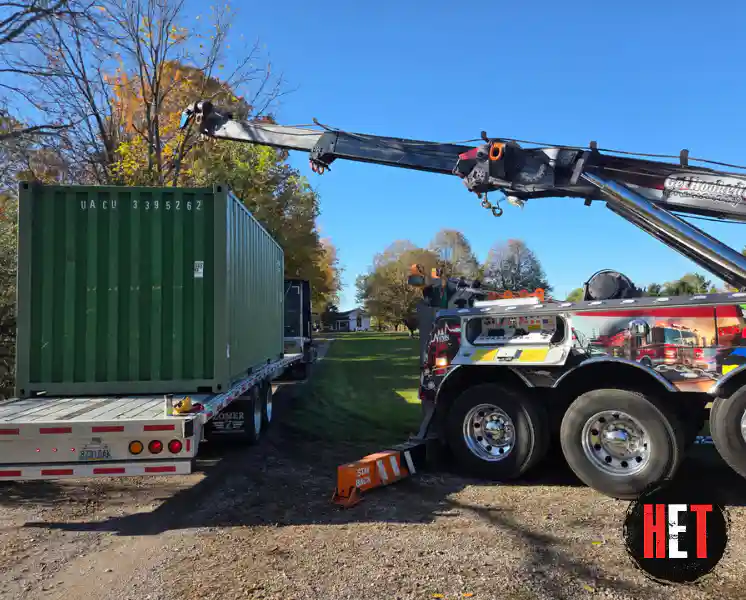
In Alaska, large shipping containers are loaded onto trucks with cranes and forklifts. They are transported on special trailers for security during long journeys.
Household and Personal Moves
What size of container is suitable to use as a home in Alaska?
For container homes in Alaska, 40-foot high cube containers work best for 1-2 bedrooms due to extra insulation space. A 20-foot container is good for studios or small guest houses. Remember to check local laws and focus on proper insulation to stay warm in cold weather.
Are there any restrictions on what I can personally bring to or take from Alaska?
Alaska has specific restrictions, especially regarding wildlife and plant products, firearms and food items. Many of these require permits, particularly for fish, game, and exotic pets. Additionally, federal regulations apply to alcohol and tobacco. Be prepared for inspections and make sure to declare items such as fresh produce or fuel for gas engines to avoid fines.
What regular items do people usually send to Alaska?
When sending items to Alaska, people typically pack sturdy outdoor gear, warm clothing, building materials, fishing equipment, large household items and sometimes perishable foods. Shipments often include specialized fishing gear, engines and personal items like cameras and electronics for visitors.
Our Recent Transports
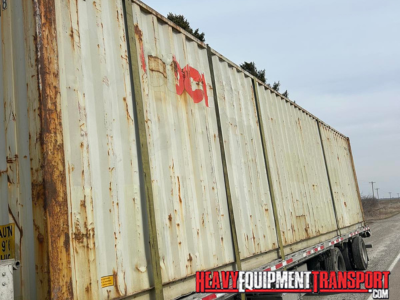
SHIPPING A 40FT HIGH CUBE LOADED CONTAINER ON A STEP-DECK TRAILER
Transport DetailsSomerset, CA
Juneau, AK
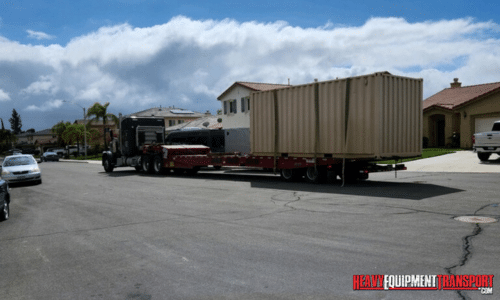
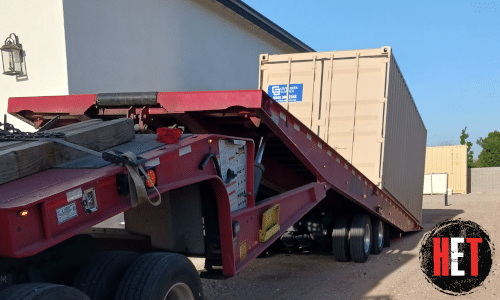
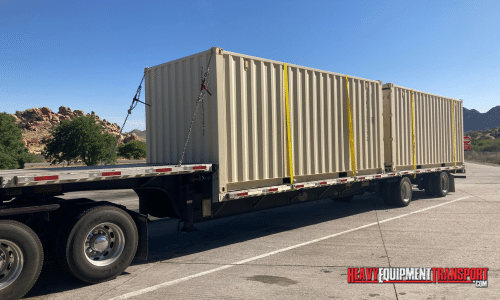
Janelle Foltz assisted in safely transporting this 40ft high cube-loaded container from Somerset, CA, to Juneau, AK. It was loaded on a step-deck trailer using a crane and well-secured using chains. Contact Heavy Equipment Transport for affordable, timely, and safe 40ft high cube-loaded container shipping services in Alaska.
Choose Your Region In Alaska And Get A Container Shipping Quote!
Regions
Shipping Container Transport Dimensions and Specifications
Alaska container transport costs vary based on distance, port terminal, container status (loaded or empty), permits, routing, and delivery requirements. Submit your details above to receive accurate pricing and availability for your move.
Popular Container Services
See All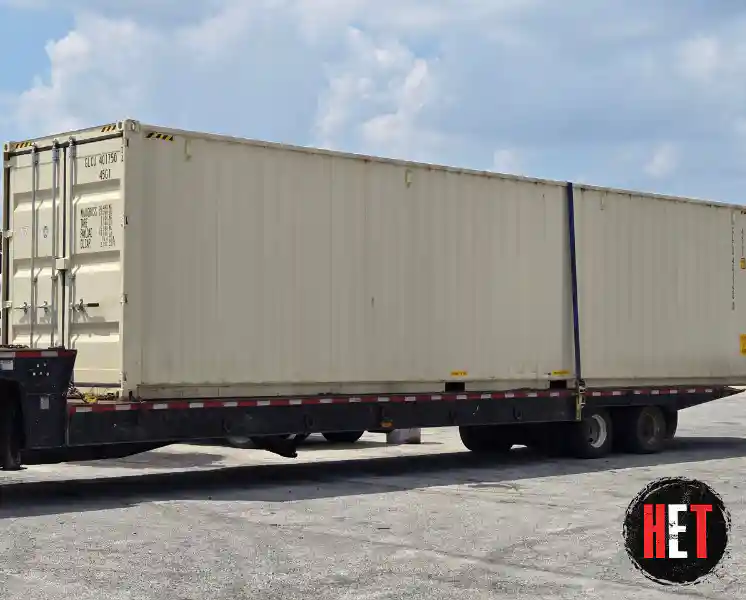
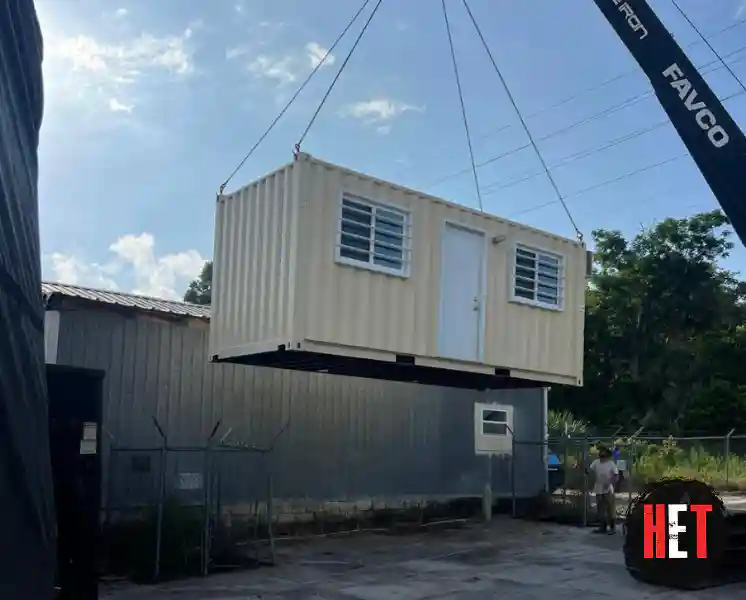
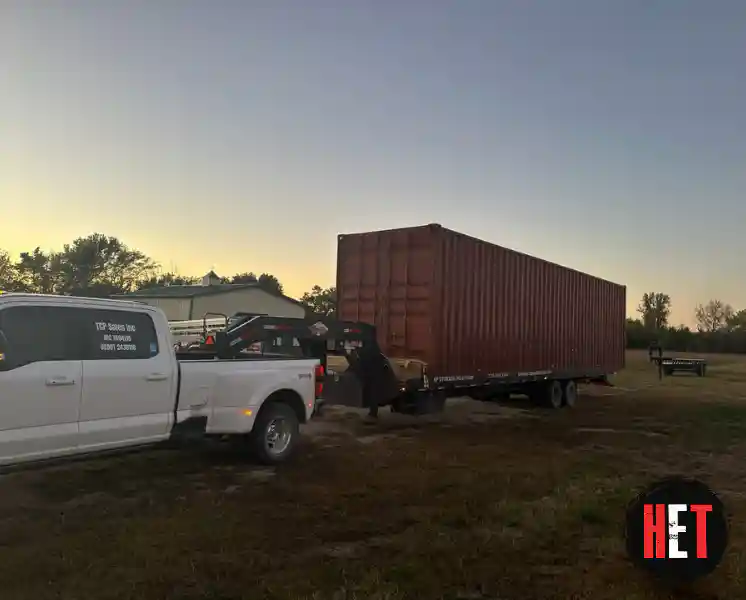
Need A Specific Transport?
Where Is Your Heavy Equipment Headed