
No Compromises. Full Results.
Speak with a logistics expert - we’ll handle
your transport from A to Z.

Nationwide

Experience

Experts
Port-To-Site Equipment and Container Movers in Kodiak
Kodiak is an island hub that depends on steady freight for fishing plants, the Coast Guard base, construction crews, and local businesses. Our job at Heavy Equipment Transport is to keep that flow moving.
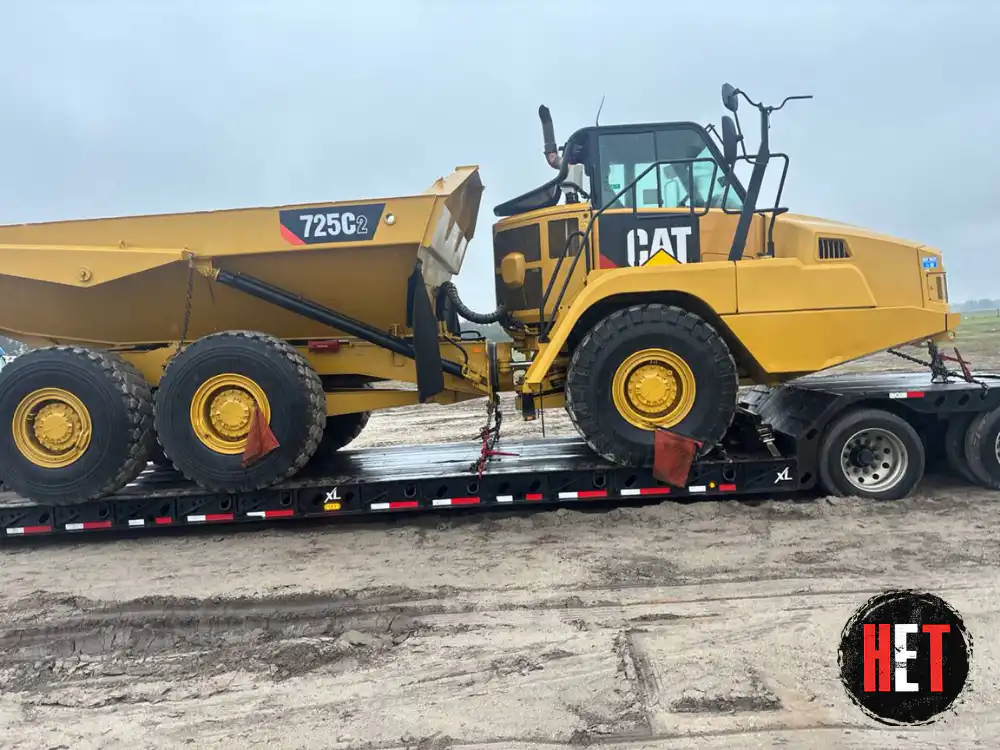
We connect the Lower 48, mainland Alaska, and Kodiak, AK with one plan, one point of contact, and clear updates from start to finish. We move excavators, loaders, plant equipment, and containers through the same logistics plan, so you do not have to juggle multiple carriers.
Heavy Equipment Transport is equipped to handle all Juneau equipment and container moving services, including:
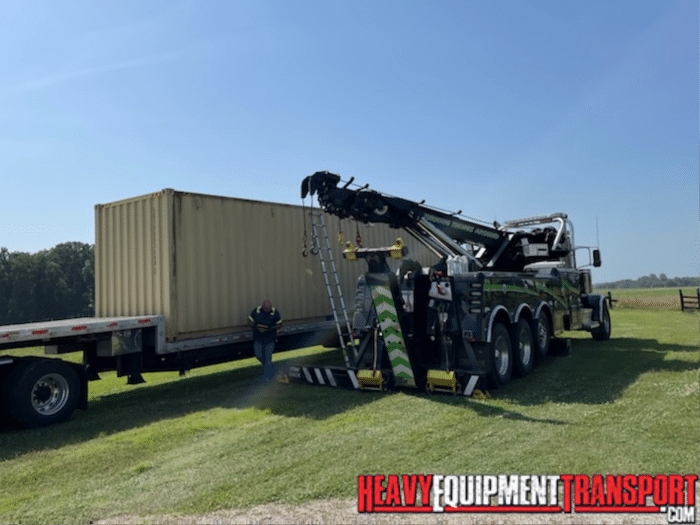
- Container Moving
- Bulk Equipment Transport
- Catastrophic Recovery Trucking
- Delivery Assistance
- Drayage Trucking
- Equipment Towing
- LTL Shipping
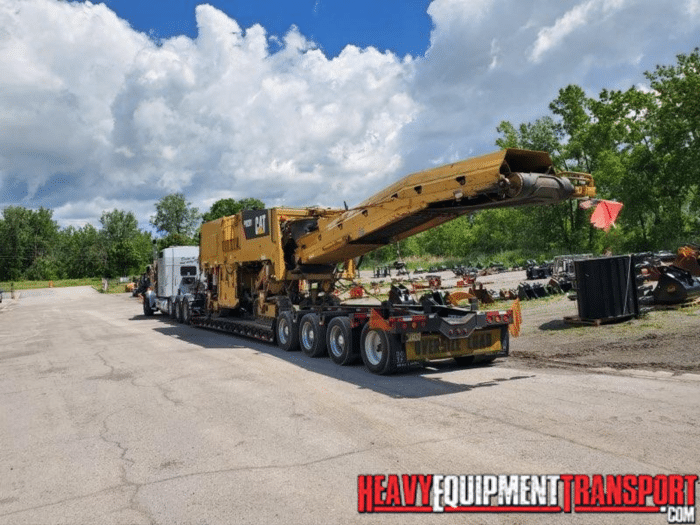
- Multi-Axle Trailer Transport
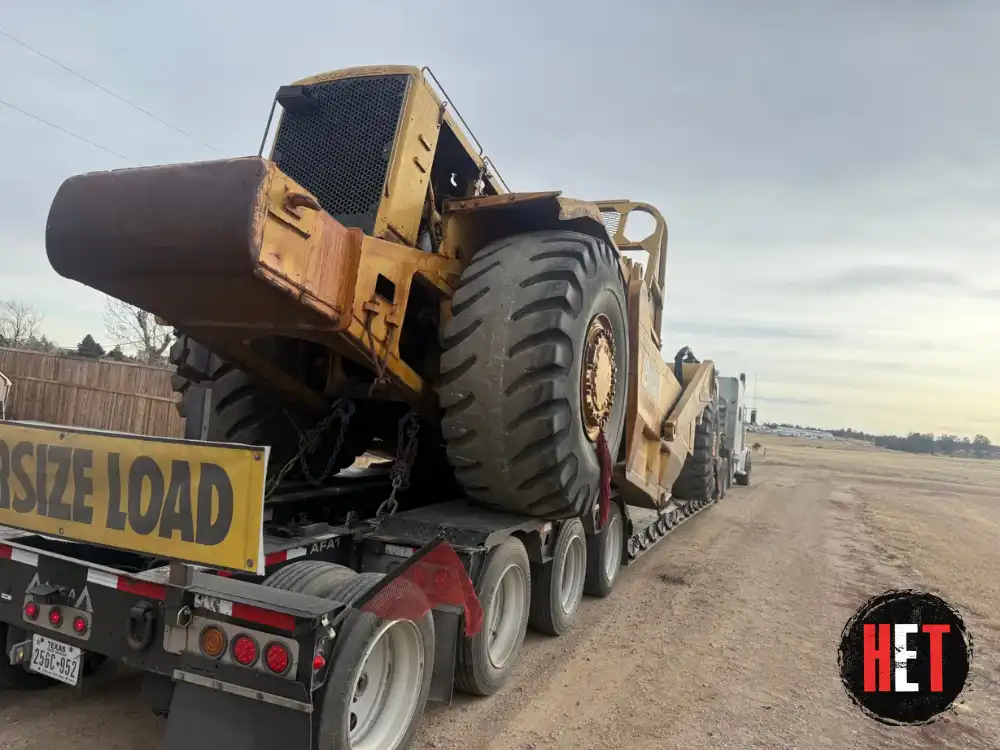
- Oversize Load Hauling
- Pilot Cars and Escort Vehicles
- Port-to-Port Services
- And More!
Both legs of the move are covered. Trucking from origin to the load port, then barge, ship, or ferry service into Kodiak, and finally local delivery on the island. We manage timing with the marine carriers and local trucking, including workarounds during storm season.
Expert Shipping Container Moves To and From Kodiak, AK
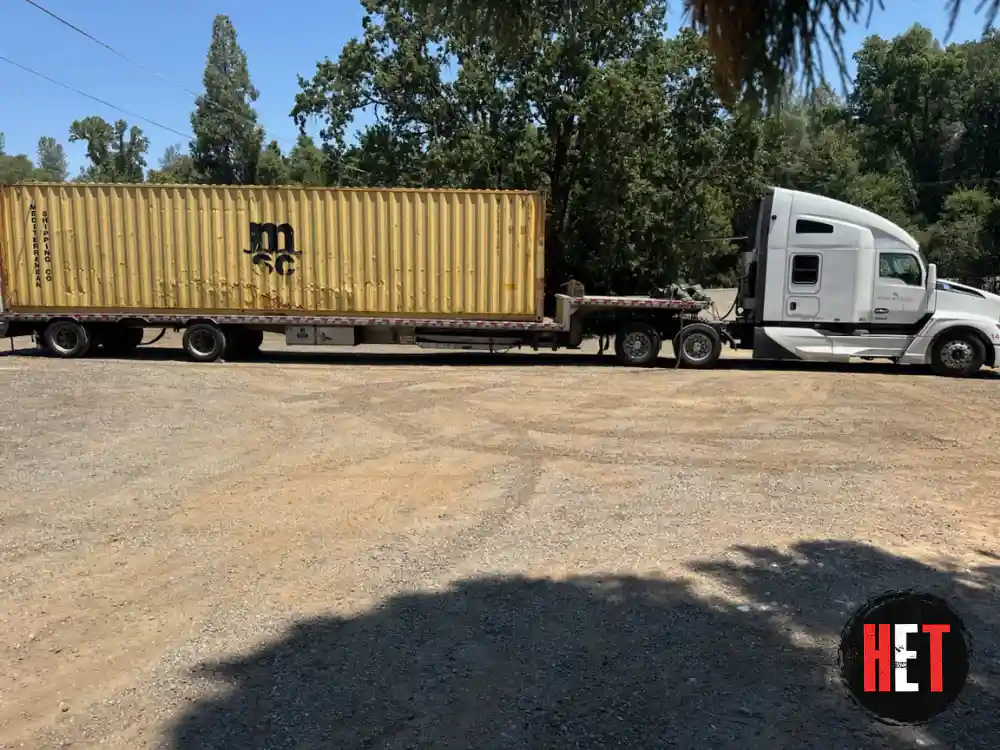
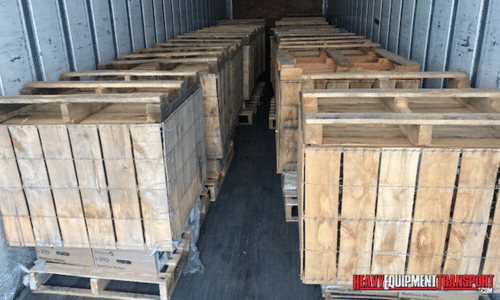
Heavy Equipment Transport is a leading provider of shipping container transport in Kodiak, Alaska, serving commercial operations, fishing industry infrastructure, military installations, and remote job sites throughout Kodiak Island. Since Kodiak is accessible only by sea and air, container moves require expert planning — and our team handles every step with precision.
We coordinate port-to-port, port-to-business, and port-to-site deliveries, supported by TWIC-certified drivers for seamless access to marine terminals. Once containers arrive by barge, our team manages secure offloading, proper equipment selection, and final-mile transport across Kodiak's primary routes.
When Your Transport Needs to Stay On Schedule
We deliver reliable results with strategic planning and professional coordination every step of the way.
Our Start-To-Finish Plan for Kodiak Equipment and Container Transport
Every Kodiak move has two stages. The mainland leg and the island leg. Both stages stay under one plan, so you see one timeline and one point of contact.
Here is how a typical move comes together. We handle the following:
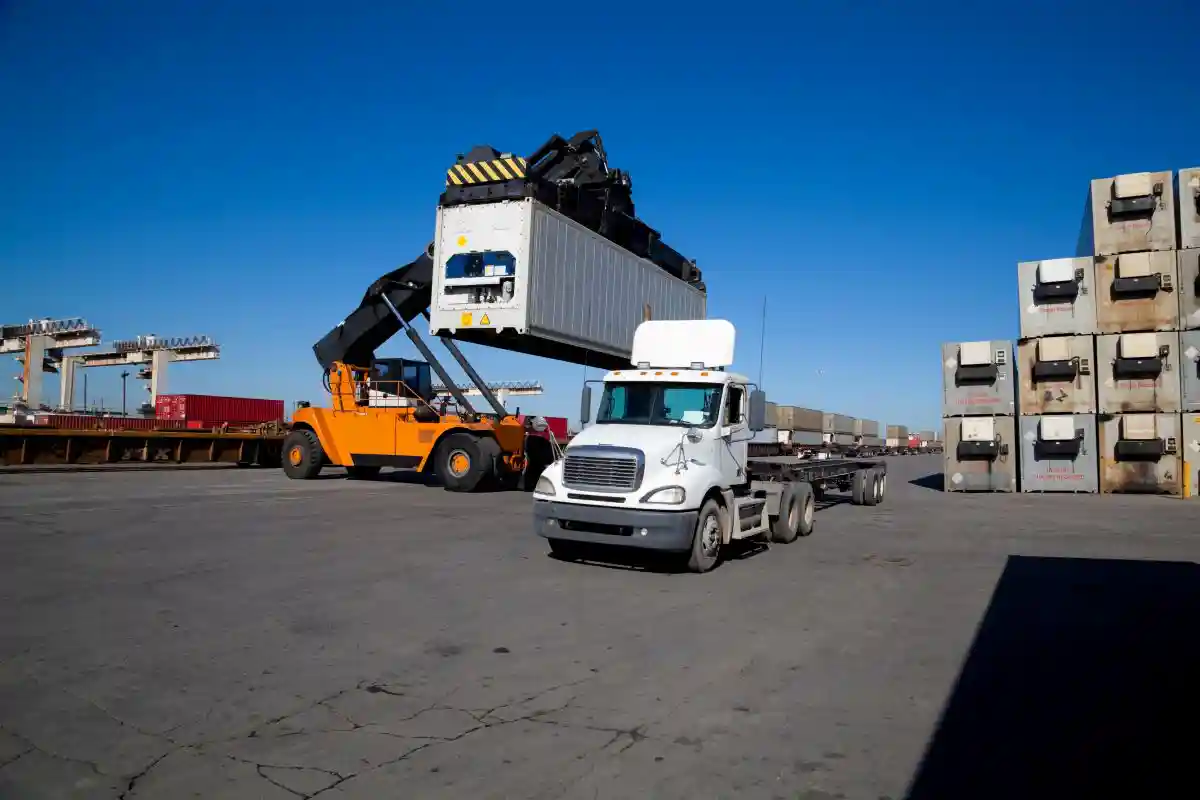
Import moves follow the same pattern. If you have used equipment leaving Kodiak or export containers headed to the Lower 48, our team reverses the steps and keeps staging and communication in sync.
Kodiak's marine climate brings heavy rain, wind, and low ceilings, especially in fall and winter. Heavy Equipment Transport plan around likely storm windows so your equipment or containers are staged early at port instead of missing a sailing.

Expertise you
can trust
Need specialized heavy equipment shipping?
Our expert logistics agents have the solutions you need.
Semi Truck and Heavy Duty Truck Shipping Support in Kodiak, AK
Semi Truck and Heavy Duty Truck Shipping Support in Kodiak, AK
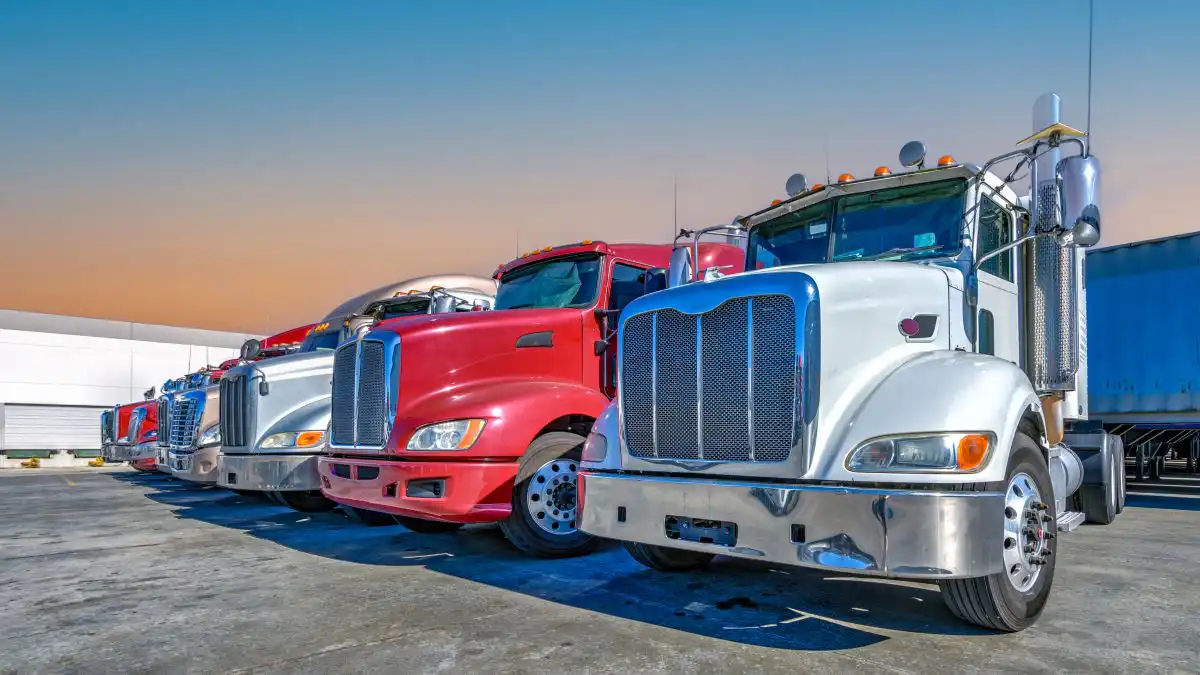
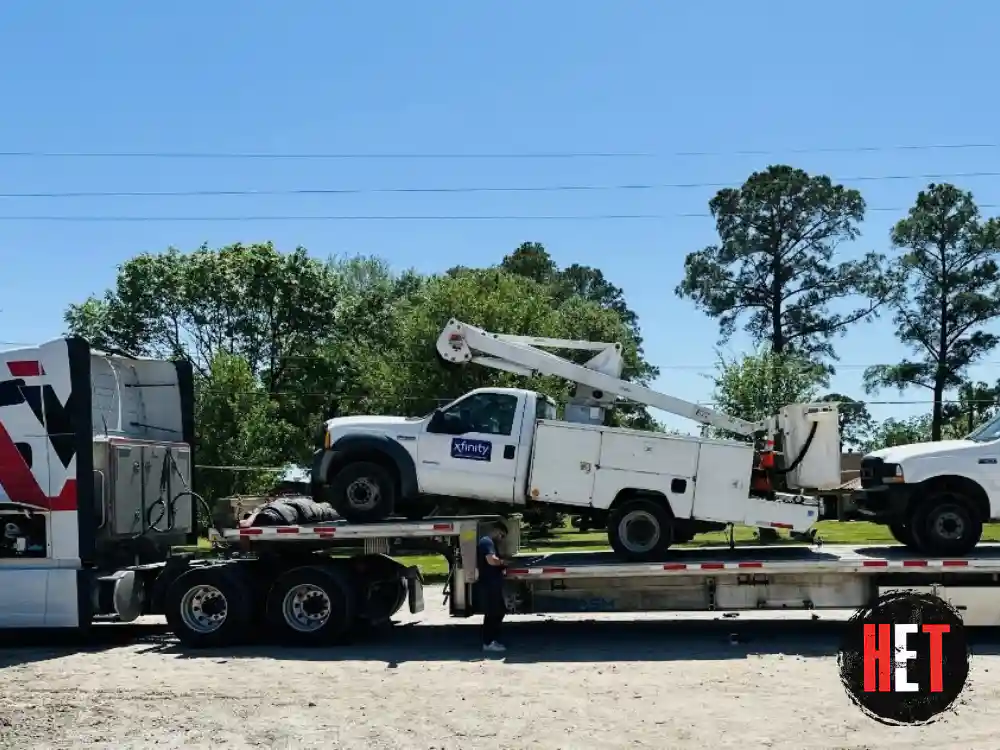
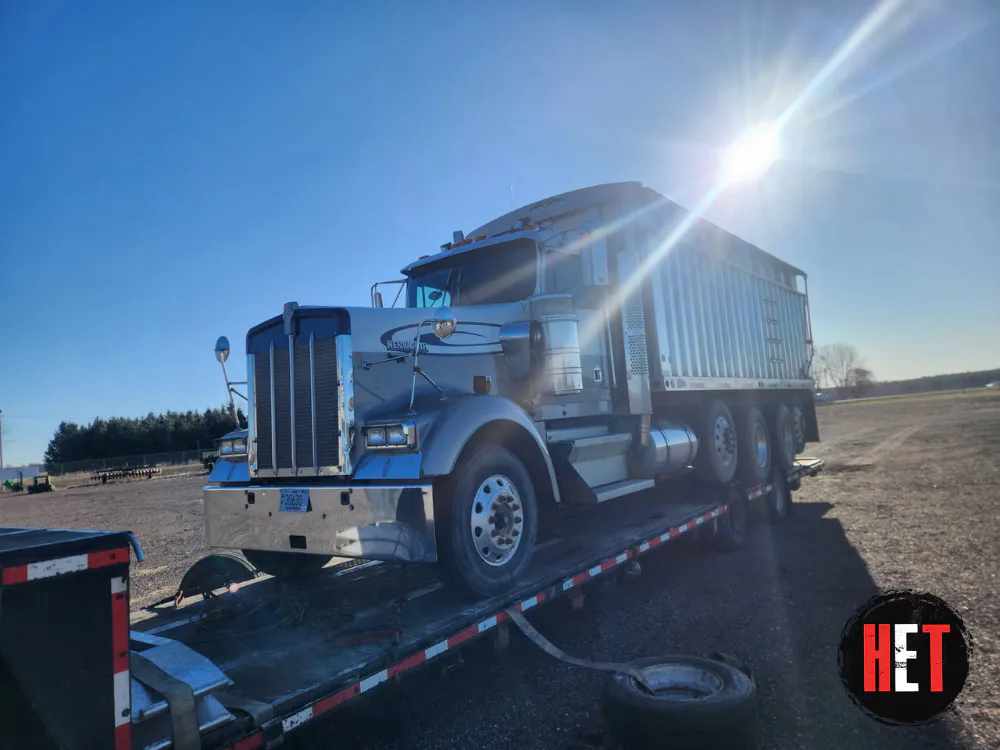
Semi trucks and heavy duty rigs do not simply drive into Kodiak. They have to ride a ferry or barge for the water leg, then roll on the island road system for final delivery.
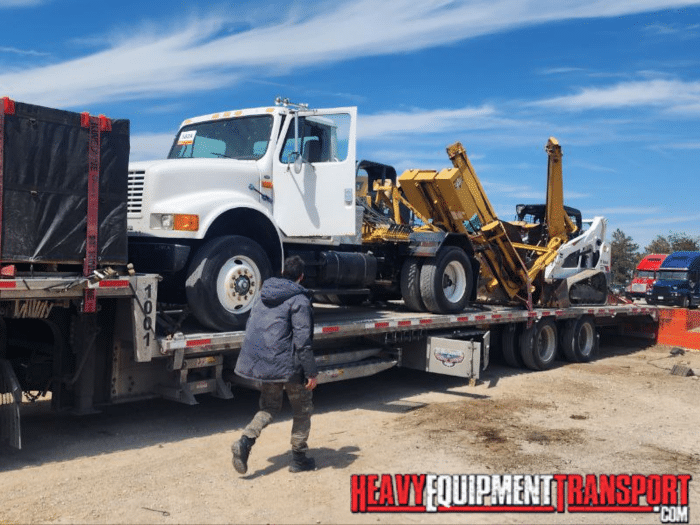
We move day cabs, sleepers, vocational trucks, and specialized chassis on and off the island. Depending on your needs, your dispatcher can set the moves as running units, tow-aways, or loaded on a trailer. Our network includes drivers who understand barge decks, ferry ramps, and tight port staging areas.
How To Book Equipment and Container Shipping in Kodiak
How To Book Equipment and Container Shipping in Kodiak
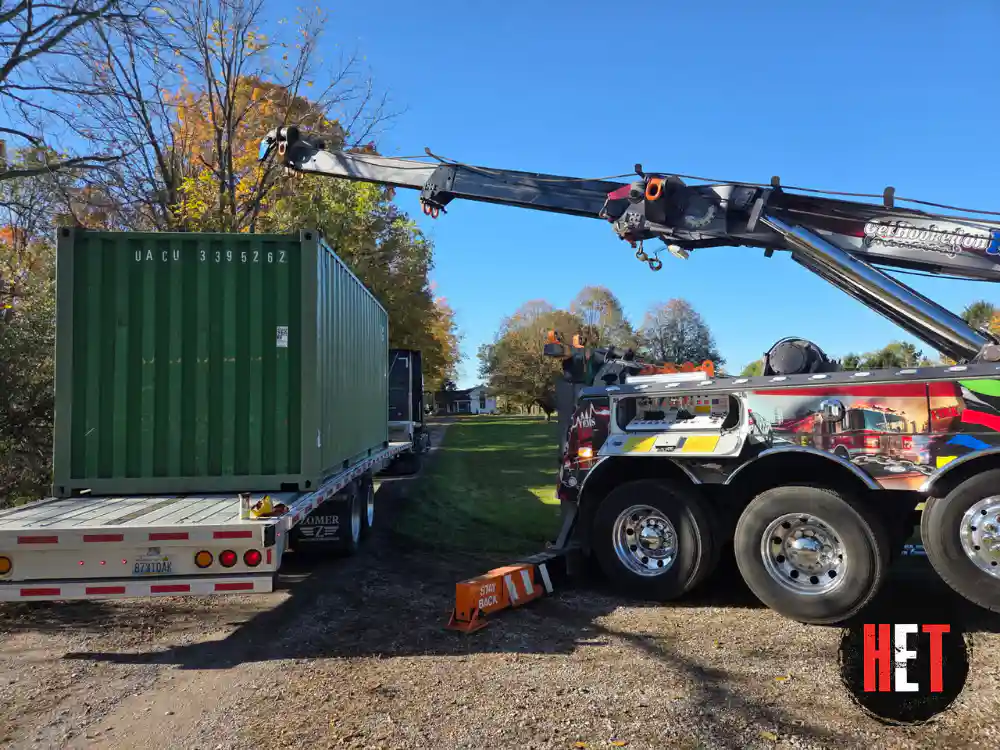
If you have not shipped to Kodiak, AK, the process can feel confusing.
First, your contact talks through what you are moving and where it has to end up. That might be a seafood plant or a construction site outside town. Then they match that job to the best route and vessel choice and build the schedule backward from the sailing date.
From there, the steps look like this:
- Confirm dimensions, weight, and any special handling needs.
- Choose containerized, deck cargo, or roll-on freight based on the load.
- Schedule inland trucking to reach the load port on time.
- Coordinate with the marine carrier on cutoff times and loading plan.
- Plan local delivery on Kodiak, including offload support if needed.
Why Kodiak Shippers Rely on Heavy Equipment Transport
Why Kodiak Shippers Rely on Heavy Equipment Transport
Shipping into Kodiak is different from moving freight between big mainland cities. You have fewer sailings, tighter port windows, and weather that can change plans overnight.
We have a dedicated team focused on Alaska freight, including Kodiak equipment and container transport. That team works with barge lines, container carriers, and the ferry system, and they know how their schedules affect your job site or plant timeline.
From the first call, you get a single logistics expert who owns the move. That person tracks every stage, from port bookings on the mainland side to local trucking and delivery on Kodiak. You get honest ETAs, real updates, and no guesswork.
If you are planning a project, plant upgrade, or fleet move that touches Kodiak, AK, we are ready to help. Call Heavy Equipment Transport and let us build a plan that keeps your equipment and containers moving with as little downtime as possible.
Heavy Equipment Transport For Kodiak FAQ
How is heavy equipment transported to Kodiak, AK?
Heavy machinery is shipped to Kodiak by barge due to its island location. Once offloaded at the Port of Kodiak, our team handles secure local delivery using the proper trailers and hauling equipment.
Can you ship containers to and from Kodiak?
Yes. We provide port-to-port and port-to-site container shipping for standard, high cube, and refrigerated units, including secure offloading and final-mile hauling.
Do you move oversize loads in Kodiak?
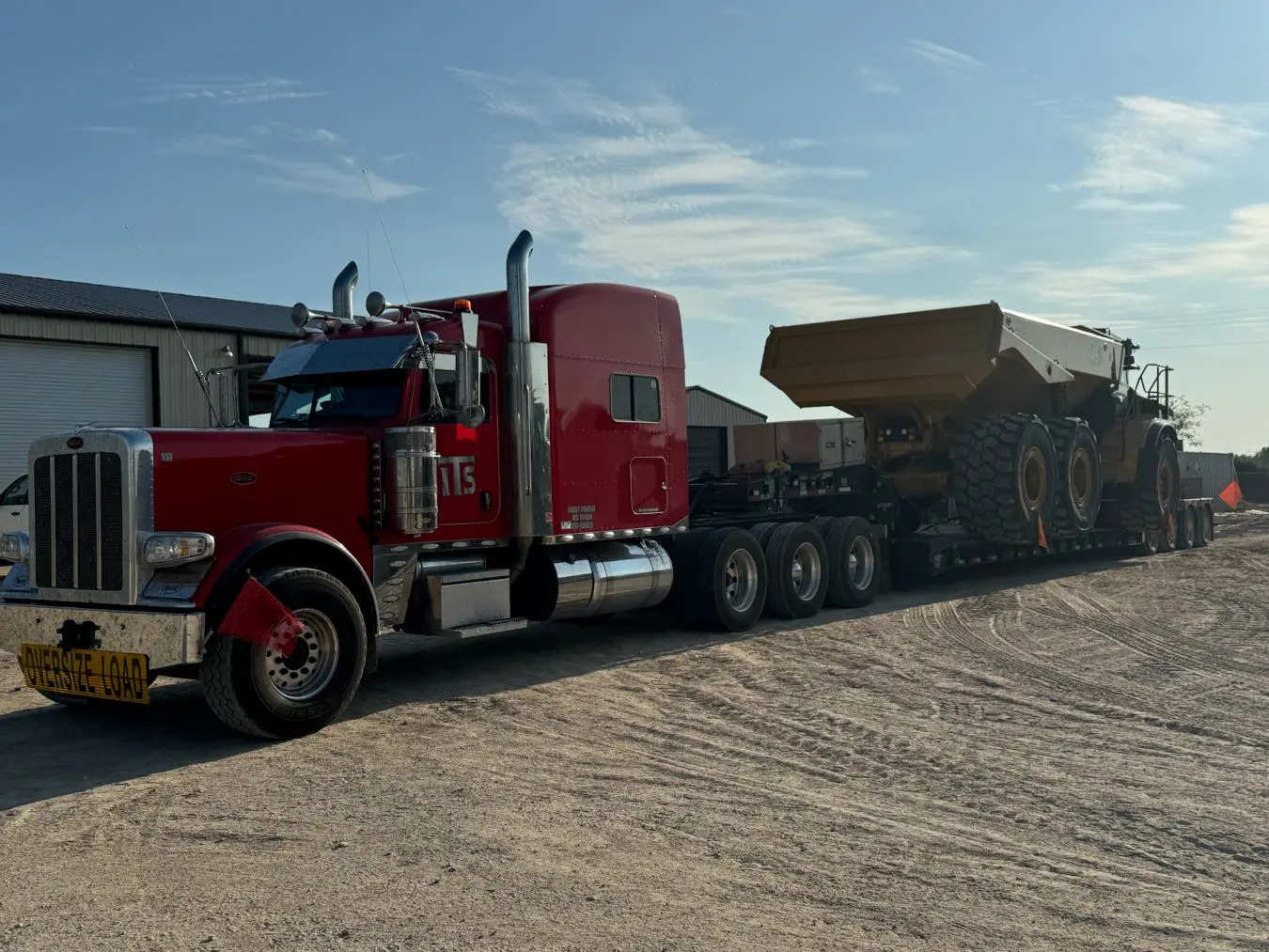
Absolutely. We coordinate multimodal oversize load transport to Kodiak via barge and manage safe delivery along Rezanof Drive and other primary routes.
What's the best way to schedule equipment shipping into Kodiak?
Contact our team to plan around barge schedules and seasonal marine conditions. We handle all logistics from mainland loading to final delivery on Kodiak Island.
Do you deliver equipment to remote parts of Kodiak Island?
Yes. We transport machinery to job sites, fisheries, military areas, and industrial locations along Kodiak's road network, including Chiniak Highway and Monashka Bay Road.
Kodiak Transportation Routes
Major Routes Used For Heavy Equipment Hauling In Kodiak
Kodiak's road network primarily supports local hauling once cargo arrives by barge. These are the main corridors used for machinery and oversize load movement.
Rezanof Drive (East & West)
Kodiak's main transportation artery. Rezanof Drive provides access to the commercial district, airport, harbor facilities, and residential zones, making it the most commonly used route for heavy equipment hauling.
Mill Bay Road
A major connector through Kodiak Island's commercial and residential areas. Frequently used for transporting mid-sized machinery, containers, and materials for expanding development.
State Routes Serving Kodiak
Chiniak Highway
Extending southeast from Kodiak toward Chiniak, this route is vital for industrial, forestry, military, and infrastructure transport. It is a key road for reaching remote job sites and construction zones.
Monashka Bay Road
Provides access to northern communities and facilities near Monashka Bay. Used for hauling equipment for utilities, marine projects, and local construction.
Ocean- & River-Based Access Points
Port of Kodiak / Kodiak Harbor
The primary deepwater port receiving barges with heavy equipment, containers, and oversize cargo. Offloading is coordinated with cranes or dockside equipment, followed by transport via Rezanof Drive.
Kodiak Ferry Terminal
Supports marine connections that occasionally move vehicles and smaller machinery. Useful for certain project-support deliveries and community infrastructure needs.