
No Compromises. Full Results.
Speak with a logistics expert - we’ll handle
your transport from A to Z.

Nationwide

Experience

Experts
Why Choose HET for Transporting Containers in Texas?
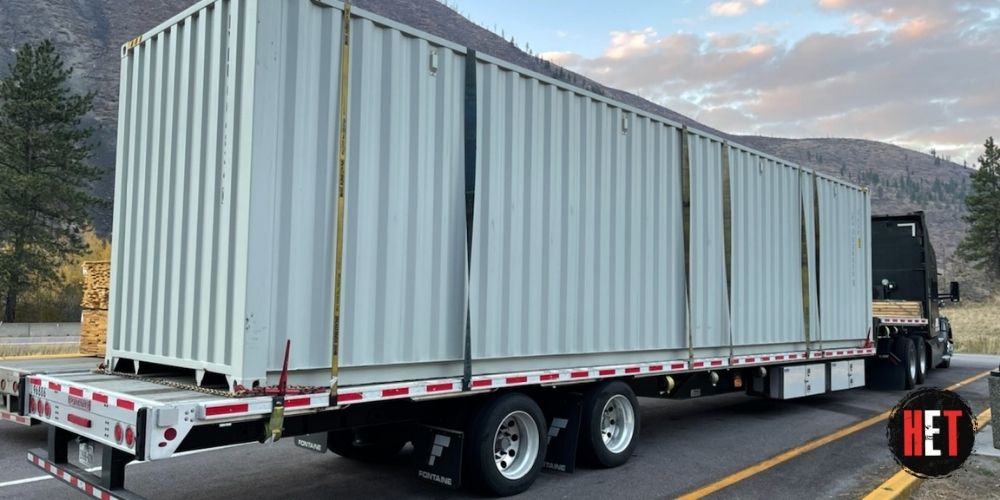
HET, a Texas-based transport company, has delivered 923 containers this year with an impressive 98.5% on-time delivery rate.
Heavy Equipment Transport is ISO 9001 certified and delivers over 1,500 container shipments annually, consistently saving clients 18% or more per service. We are licensed by the FMCSA (MC-693977) and maintain $250,000 in coverage.
As a GSA-certified and FEMA Partner Approved company, we've been recognized as a potential Inc. 5000 fastest-growing company for seven years. With over 16 years of experience, our team of 140+ logistics experts operates from Florida, Kentucky, Ohio, and Texas.
Confirm Container Transport Details
Confirm with confidence.
Get pricing that fits your route and load.
Get professional service to transport a shipping container in Texas
People in Texas value quality, and that's precisely what Heavy Equipment Transport provides with our excellent container moving services across the state.
With over 13 years of experience, we offer dependable shipping options to get your containers to their destinations. You can count on Heavy Equipment Transport for all your container transportation needs in Texas.
Reliable and Fully Insured Container Moving Services in Texas
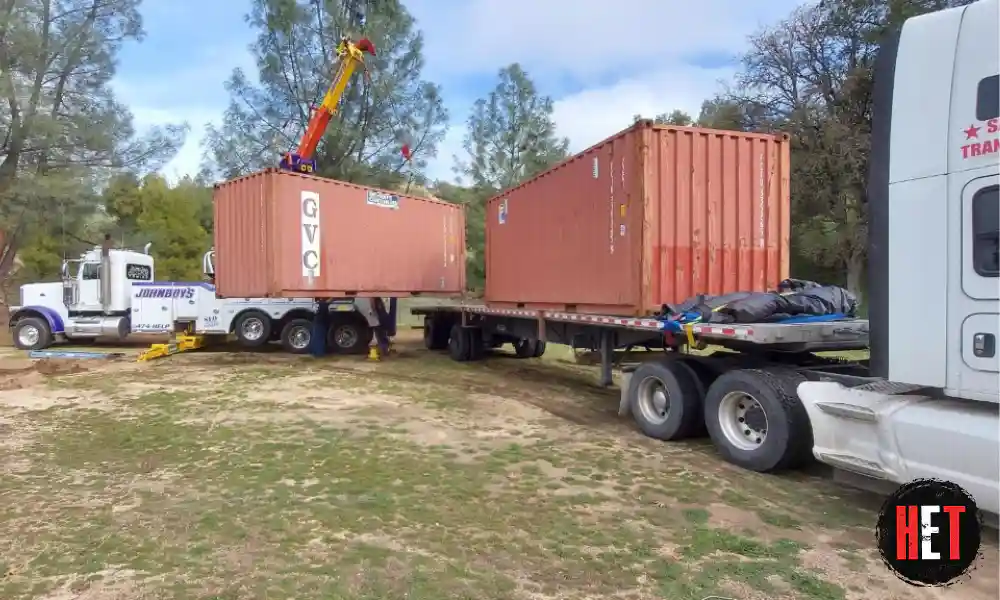
We fully insure your shipping container during transport for your protection, allowing clients to claim compensation if needed. Before loading, we inspect the container and complete a BOL form for safe delivery.
Our professional drivers select the best routes to ensure your container is well taken care of and delivered safely.
Transport your loaded or unloaded container in Texas today!
The Most Important Ports for Shipping Containers Transportation in Texas
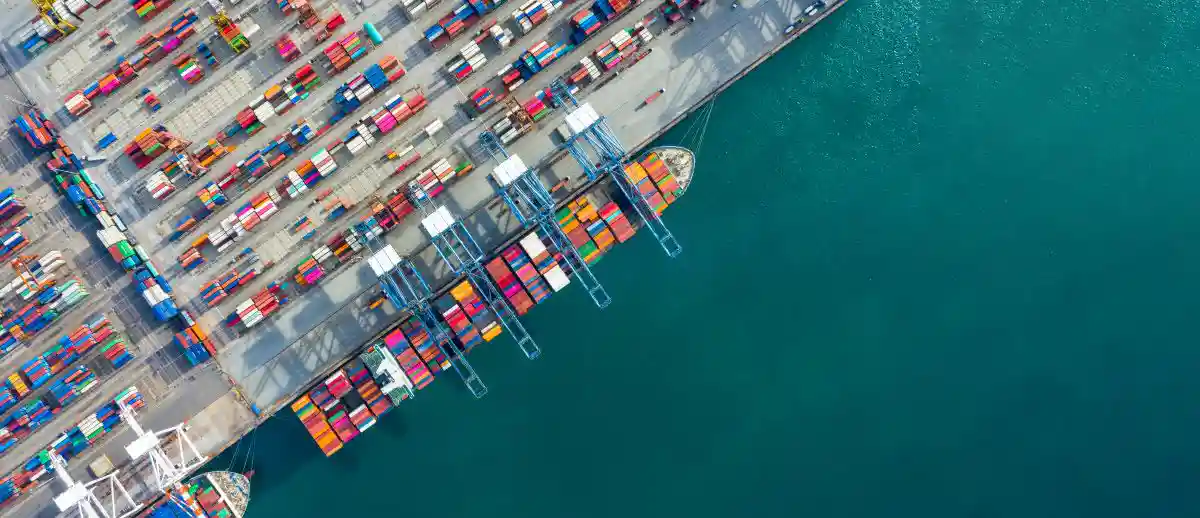
The most important Texas ports for container shipping are Port Houston (5th in the U.S.), Port Freeport and Port of Corpus Christi, which handle significant Gulf Coast trade. Other important ports for break bulk and cargo include Beaumont, Galveston, Port Arthur and Brownsville.
Key Container Ports in Texas
- Port Houston: As the largest container port in the U.S. Gulf of Mexico, this port handles approximately 66% of all containerized cargo in the region. It is the leading U.S. port for foreign tonnage.
- Port Freeport: A large and fast-growing port that is part of a special area for international trade, where various types of cargo are handled.
- Port of Corpus Christi: This port is the third-largest in the United States by volume of goods processed. It plays a crucial role in helping trade and businesses thrive through shipping.
- Port of Beaumont: Known as one of the best military shipping ports, this location handles a large amount of cargo.
- Port of Port Arthur: A significant port in the Gulf region features a major free trade zone that supports nearly 200 businesses.
- Port of Galveston: Located on Galveston Bay, this port plays an important role in connecting boats and ships in the area. It facilitates the movement of goods and people, making it a key point for maritime activity in the region.
- Port of Brownsville: At the southernmost part of Texas, there’s a deepwater port that is linked to the Gulf by a 17-mile waterway.
Inland Ports for Shipping Container Transport in Texas
In Texas, inland ports such as the International Inland Port of Dallas and Laredo are important for linking sea shipping with train and truck transport. Key shipping locations, such as the Ports of Beaumont, Bay City and Orange, also enhance efficient product delivery.
Key inland ports and shipping hubs for container transport in Texas include:
- International Inland Port of Dallas (IIPOD): A large 7,500-acre area designed for handling goods and transportation connects both global and local markets. In Texas, important inland ports and shipping centers are vital for moving containers effectively.
- Laredo World Trade Port of Entry: A key hub for the transportation of goods and shipping containers.
- Port of Beaumont: The Port of Beaumont is a major inland deep-water port on the Neches River, 40 miles from the Gulf of Mexico, specializing in military, bulk, and breakbulk cargo. It is expanding with a $300 million rail project to boost its container handling capacity to over 17,472 TEUs.
- Port of Bay City: The Port of Bay City (USBCY) in Michigan is a key Great Lakes hub on Saginaw Bay, facilitating regional trade with modern docks and 150 acres for industrial development, supporting the automotive and manufacturing sectors.
- Port of Orange: The Port of Orange, situated on the Sabine River in Texas, is a deep-water facility specializing in bulk, breakbulk, and container-on-barge services. With a 25-foot channel and intermodal connectivity, it offers direct access to the Gulf of Mexico for efficient cargo transportation.
Permits and Rules for Shipping Containers and Oversized/Overweight Transport in Texas
The Texas Department of Motor Vehicles (TxDMV) requires special permits for vehicles carrying large or heavy loads. If a load exceeds 80,000 pounds, is wider than 8.5 feet, or taller than 14 feet, you'll need to get one of these permits.
The fees for these permits can vary, ranging from $61 to $1,000 depending on whether you need it for a few days or an entire year. There's also a specific permit for certain shipping containers that travel within 30 miles of a port, and this permit costs $6,000 each year.
Rules for hauling Large or Heavy Loads in Texas
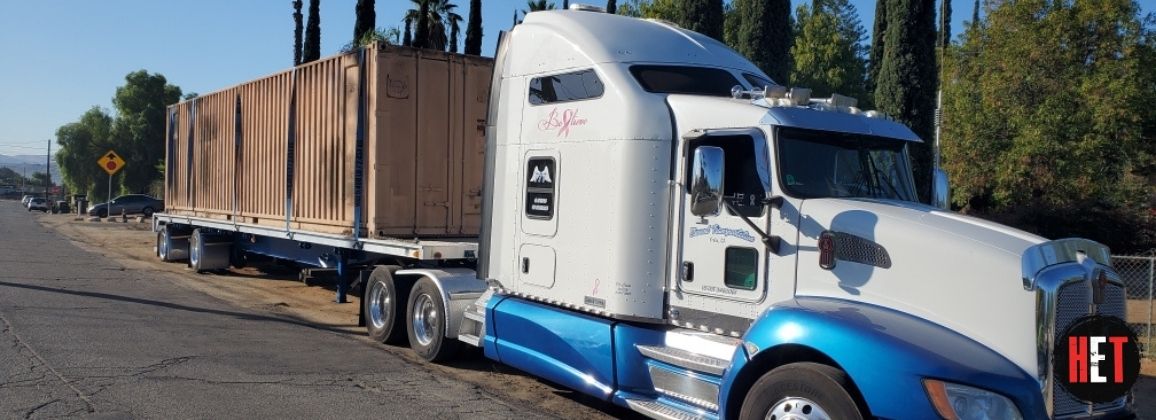
In Texas, transporting larger or heavier items requires following important safety rules to ensure road safety.
- Permits: Before moving large items, make sure you get the necessary permits. This is like asking for permission to transport your oversized load. It's important to check with local authorities to determine which permits you need.
- Routes: Some roads aren't for oversized loads. Plan to avoid narrow streets, bridges, and low overhangs. Use designated routes for safety.
- Timing: Some areas may have specific times when oversized loads can travel, usually to avoid busy traffic hours. Be aware of these time restrictions to ensure a smoother journey.
- Equipment: Use the right vehicle for transportation. Ensure your truck can handle the load's weight, and add flags or lights to improve visibility.
- Safety Measures: Always prioritize safety. Ensure the load is adequately secured to prevent shifting during transport. It’s also important to have an emergency plan in place.
Cost of Moving a Container in Texas

Container shipping rates in Texas vary from one shipment to the next. Several factors influence the cost of moving containers in Texas. Heavy Equipment Transport offers competitive container shipping rates throughout Texas. Our costs are all-inclusive and tailored to fit your container transport needs.
On average, you can expect to spend a minimum of $500 USD for a short Texas container move and upwards of $8000 USD or more for long-distance or overseas moves. A Heavy Equipment Transport agent will find the best Texas container shipping rate without sacrificing quality service.
Get your Texas container transport rate today
Our Recent Transports
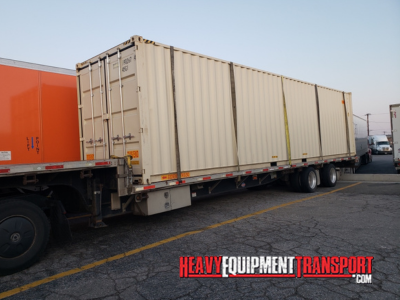
SHIPPING A 40FT HIGH CUBE CONTAINER ON A STEPDECK TRAILER
Transport DetailsLong Beach, CA
Lubbock, TX
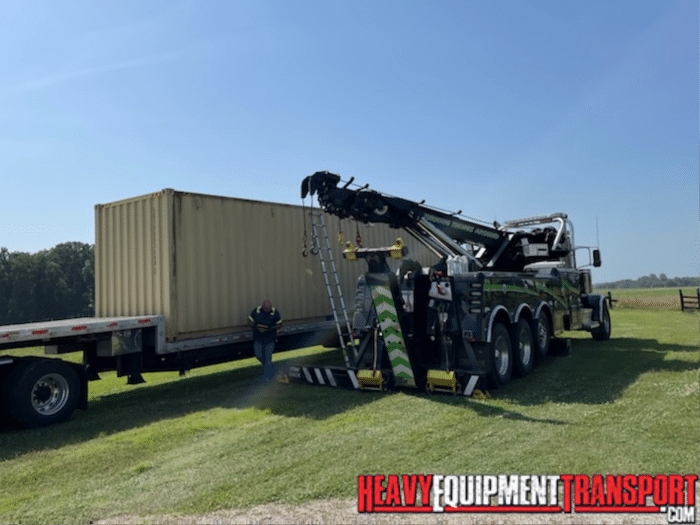
Heavy Equipment Transport successfully shipped this 40ft high cube container from Long Beach, CA, to Lubbock, TX. Janelle Foltz, our top container transport specialist, did this. A crane loaded the 40L 8W 9.6H and 30,640lbs container on a step-deck trailer and was secured using chains. Call us for affordable container transport services to and from Texas.
Texas Shipping Container Transport FAQs by Category
Transporting shipping containers in Texas requires specialized trailers like tilt beds, Landoll and sideloaders for 20ft and 40ft containers. Delivery costs range from $160 to over $550, with container prices between $2,500 and $6,100.
Key considerations include a minimum access width of 16ft, permits for port access from the Texas Department of Motor Vehicles (TxDMV.gov), and weight regulations for loaded versus empty containers.
Pricing and Costs
What is the cost to move a container in Texas?
Moving a shipping container in Texas generally costs between $2.65 and $3.10 per mile. Local moves typically start around $510 and can go up to $1,300. The costs will vary depending on the container size (20ft vs. 40ft), weight, distance, and fuel prices. For long-distance or interstate moves, the expenses can range from $3,100 to over $5,500.
What factors affect shipping costs for a container in Texas?
The cost of shipping containers in Texas can vary depending on several factors. These include how far the container needs to travel, fuel prices, the container's size (20 feet or 40 feet), its weight and how busy things are during certain times of the year. Factors affecting price include port congestion in places like Houston, accessibility to the destination and the mode of transport (truck or train) for the container.
Delivery and Logistics
How are containers delivered in Texas?
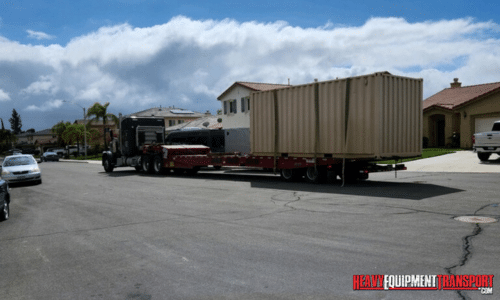
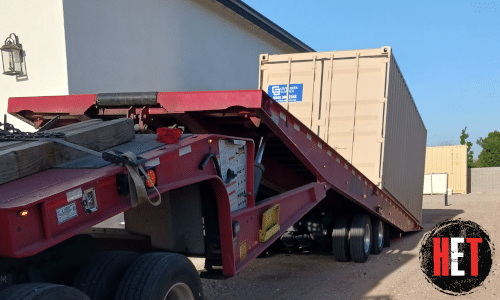
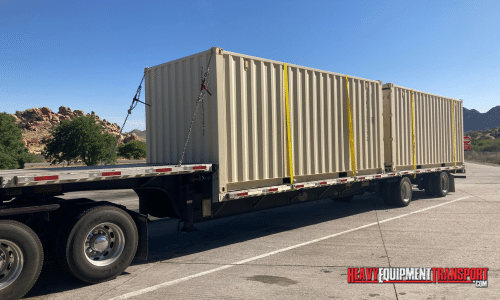
In Texas, containers are mainly delivered using special trucks that can tilt and roll the containers off onto the ground. This makes it easy for the driver to place the container exactly where it's needed without having to use extra tools like cranes or forklifts. There are also flatbed trucks used for places that have loading docks and some trucks are built to fit into smaller areas when needed.
What is required for delivery a container in Texas?
To deliver a shipping container in Texas, you need a clear and level space that is about 100 to 130 feet long and has enough height (around 14 to 15 feet) for the container to fit. The ground should be sturdy enough to support the weight, which can be around 9,000 pounds.
You will need a special permit from the Texas Department of Motor Vehicles that costs about $6,000 each year, and you might also need some local licenses to complete the delivery.
Can containers be transported by rail in Texas?
In Texas, shipping containers are transported by train, with major companies like BNSF Railway and Union Pacific facilitating movement between ports and cities such as Houston and Dallas. This method is preferred for its cost-effectiveness and reduced environmental impact.
Types of Containers
What are the most popular types of containers used in Texas?
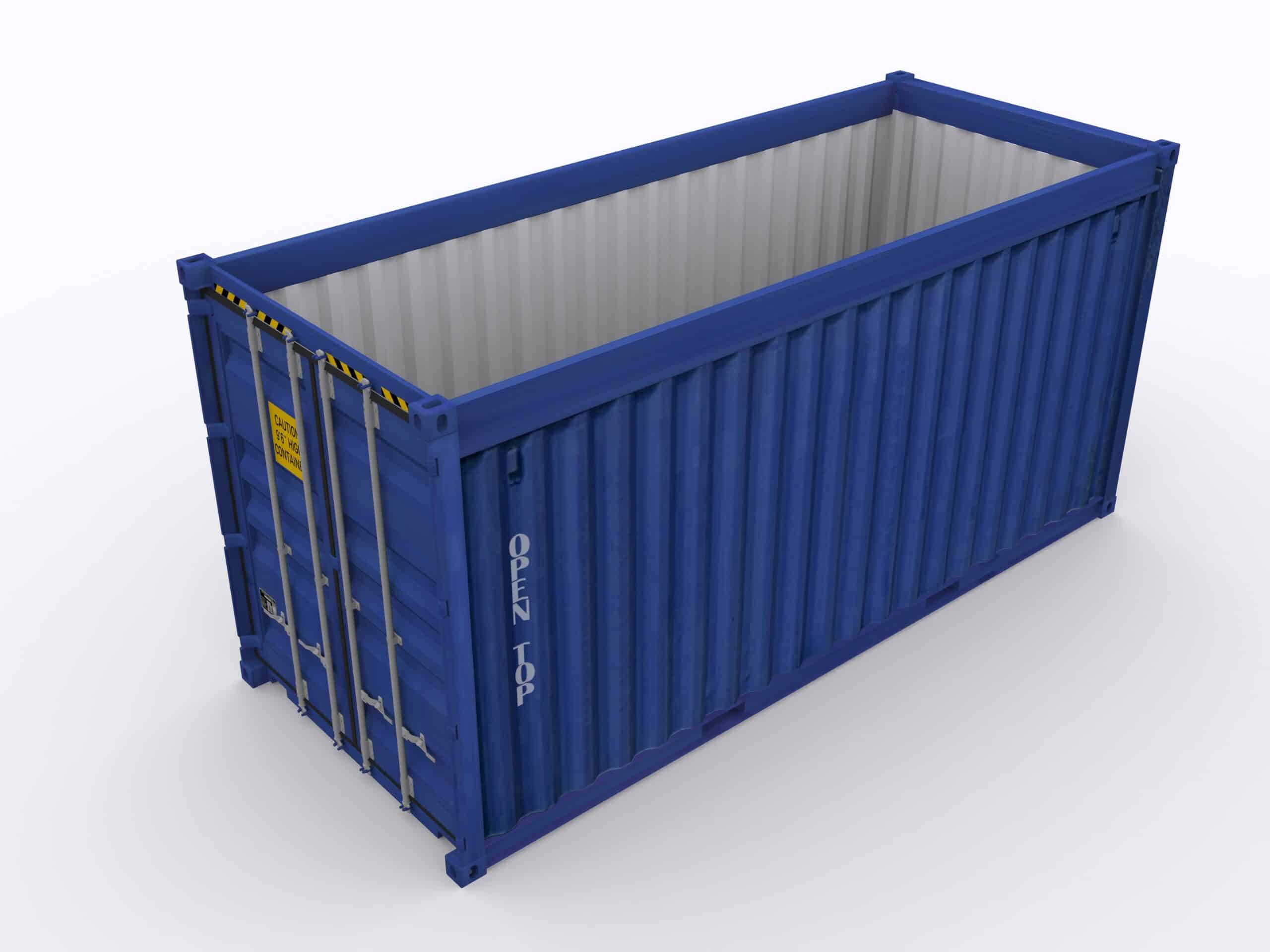
In Texas, the most popular containers are standard dry storage containers, often called "Conex boxes," available in 20-foot and 40-foot lengths, including high-cube versions. They are favored across industries for their durability, weather resistance, and security.
What size container should I pick if I'm in Texas?
The container size you need in Texas varies based on its intended use, like household trash pickup, home clearing, or long-term storage. Sizes are usually measured in gallons for trash pickup or cubic yards for dumpsters and storage.
Zoning, Permits, and Regulations
Do I need a permit to build a container home in Texas?
In Texas, you typically need permits for structural, electrical and plumbing changes when building a container home. While there are no statewide restrictions, local zoning and building codes apply, with rural areas being more lenient than urban ones like Austin or Houston.
Are there any restrictions on the use of storage containers in Texas?
Texas lacks statewide rules for shipping containers as storage, but local zoning laws and HOA rules vary. Key points include a 30- to 90-day limit for temporary placements in residential areas, a permit requirement for permanent structures and strict safety regulations.
Preparation and Prohibited Items
What items are prohibited from being shipped in a container to or from Texas?
Items prohibited in shipping containers to and from Texas include hazardous materials (explosives, flammable substances, poisons), perishables, live animals, firearms, ammunition and illegal substances. Restrictions also apply to alcohol, currency and high-value items for safety and compliance.
How should I prepare the site for placing a container in Texas?
To prepare a site in Texas for a shipping container, clear debris and level the ground. Use gravel or concrete for a stable, well-draining foundation, ensuring truck access and complying with local zoning regulations. Consider concrete piers or blocks for extra stability.
Choose Your Region In Texas And Get A Container Shipping Quote!
Regions and Ports
Don’t see your city or town listed?
No problem! Call now and speak with a live logistics agent.
We’ll get your container delivered to where you need it.
Shipping Container Transport Dimensions and Specifications
Texas container transport costs vary based on distance, port terminal, container status (loaded or empty), permits, routing, and delivery requirements. Submit your details above to receive accurate pricing and availability for your move.
Popular Container Services
See All
Need A Specific Transport?
Where Is Your Heavy Equipment Headed