Live Shipping Estimates - Available Right Now

Live Shipping Estimates - Available Right Now

British Columbia Shipping Container Moving Services

Expert British Columbia Shipping Container Hauling Services

Hauling your containers to British Columbia, Canada, is easy with Heavy Equipment Transport. Our team of experts is ready to provide you with top-quality services that you won't find anywhere else. We understand that whether your container is loaded or empty, it's essential to your business or livelihood. That's why we adhere to top safety and DOT standards for every British Columbia container move.

British Columbia shipping container moving services we provide:

  • • Moving containers from the U.S. to British Columbia
  • • Moving containers from British Columbia to the U.S.
  • • Customs paperwork filled out
  • • Permits obtained if necessary
  • • Bulk container moving services
  • • TWIC card drivers for ports
  • • Expedited delivery
  • • And more!

Ready to get started? So are we! Our expert container transporters are ready to take your call. We'll ship your container to or from British Columbia with the services you need at rates you can afford. Call now for your free, no-obligation quote! (888) 730-2951

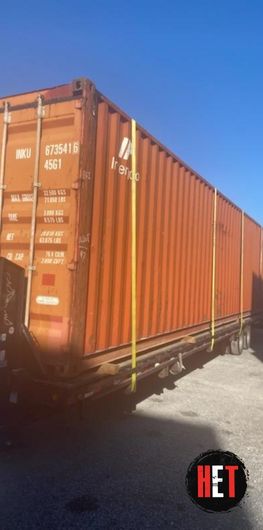
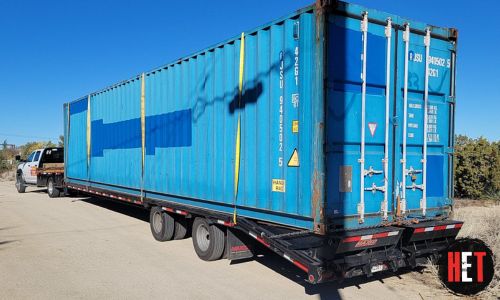
Container transported by semi truck.
GET YOUR CONTAINER TRANSPORT QUOTE!
(888) 730-2951
(888) 730-2951

Requirements to Transport Containers From The U.S. to British Columbia

Container Transport To Canada
Proper Documentation

To transport containers across the U.S.-Canada border into British Columbia, you’ll need the following documents:

  • • Bill of Lading (BOL) – Lists the container's contents and transport details
  • • Commercial Invoice – Includes the value, origin, and nature of the goods
  • • Packing List – Detailed description of container contents
  • • Canada Customs Invoice (CCI) – Required if the shipment value exceeds CAD $2,500
  • • Customs Broker Information – Optional, but helps with efficient border clearance
  • • Carrier Code and PARS Barcode – Required for pre-arrival clearance with the CBSA
CBSA and CBP Compliance
  • • PARS (Pre-Arrival Review System): Submit shipment details before reaching the border
  • • ACE Manifest (U.S.): Mandatory for U.S. carriers exporting to Canada
  • • eManifest (Canada): Submitted through the CBSA portal for Canadian import processing
Trailer and Container Requirements

Container transport in British Columbia must follow strict provincial regulations for weight, height, width, and length. Oversize or overweight containers may require:

  • • Oversize or Overweight Permits from the BC Ministry of Transportation
  • • Pilot or Escort Vehicles depending on dimensions and route restrictions
Carrier and Insurance Requirements
  • • FMCSA authority for U.S. carriers
  • • NSC registration for Canadian carriers operating in British Columbia
  • • Valid cargo and liability insurance that complies with provincial standards
  • • Special equipment endorsements when required for unique trailer types
Duties, Taxes, and Tariffs
  • • Applicable GST and customs duties depend on the goods being shipped
  • • Work with a customs broker to ensure:
    • ◦ Proper HS code assignment
    • ◦ Eligibility for duty-free entry under USMCA
    • ◦ Awareness of any prohibited or restricted imports
Border Crossing Requirements

Major commercial ports of entry into British Columbia include:

  • • Pacific Highway, BC (from Blaine, WA)
  • • Huntingdon/Sumas, BC (from Sumas, WA)
  • • Osoyoos, BC (from Oroville, WA)
  • • Kingsgate, BC (from Eastport, ID)

Drivers crossing into British Columbia should be prepared with:

  • • Valid passport
  • • Up-to-date driver logbook
  • • TWIC card if port access is required
Lead Time and Scheduling

Cross-border hauls into British Columbia should be scheduled with ample lead time:

  • • Apply for permits early, especially for oversize loads
  • • Coordinate with customs brokers in advance
  • • Allow for delays due to mountainous terrain, weather, or seasonal inspections
Truck transport with expertise
Heavy Equipment Transport logo

Expertise you
can trust

Need specialized heavy equipment shipping?
Our logistics agents have the solutions you need.

16+ Logistics Experts
23+ Carriers Nationwide

Requirements to Transport Containers From British Columbia to the U.S.
Container Transport From Canada
Proper Documentation
  • • Bill of Lading (BOL)
  • • Commercial Invoice (in USD)
  • • Packing List
  • • U.S. Customs Invoice (if required)
  • • Customs Broker Information
  • • SCAC Code and PAPS Barcode
CBSA and CBP Compliance
  • • Export declaration through CBSA if shipment exceeds CAD $2,000
  • • PAPS barcode must be submitted prior to border arrival
  • • ACE Manifest filed electronically to U.S. CBP
Trailer and Container Requirements
  • • Must meet U.S. DOT weight and dimension standards
  • • Permits required for oversize or overweight containers
  • • Load securement must comply with FMCSA regulations
Carrier and Insurance Requirements
  • • U.S. operating authority and DOT/MC numbers
  • • Valid insurance that meets FMCSA standards
  • • Bonded carrier status
Duties, Taxes, and Tariffs
  • • HS code classification
  • • USMCA eligibility confirmation
  • • Identification of any restricted items
Border Crossing Requirements
  • • Pacific Highway (to Blaine, WA)
  • • Sumas (to Sumas, WA)
  • • Osoyoos (to Oroville, WA)
Lead Time and Scheduling
  • • File paperwork ahead of time
  • • Allow for seasonal congestion or weather issues
Border Crossing For British Columbia Container Shipping

Primary Commercial Ports of Entry

British Columbia borders Washington, Idaho, and Alaska, offering several commercial access points into the U.S. These are the most frequently used crossings for container shipments:

  • • Pacific Highway, BC – Blaine, WA
    Main commercial crossing for container freight. Open 24/7 and equipped with full customs facilities.
  • • Sumas, BC – Sumas, WA
    Good for standard freight. Limited in scale, not ideal for oversize shipments.
  • • Osoyoos, BC – Oroville, WA
    Useful for freight from the Okanagan region. May require additional documentation for larger loads.
  • • Kingsgate, BC – Eastport, ID
    Suitable for shipments traveling southeast. Can handle container freight but has limited services.
Documentation Required at the Border
  • • Bill of Lading
  • • Commercial Invoice in USD
  • • Packing List
  • • PAPS barcode
  • • ACE Manifest
  • • Passport or Enhanced ID
  • • Permits for oversize freight
Tips for a Smooth Border Experience
  • • Use Pacific Highway for full-scale logistics support
  • • Avoid using Sumas for high-volume loads
  • • Confirm load dimensions in advance if using smaller crossings
  • • Coordinate with a customs broker to prevent delays
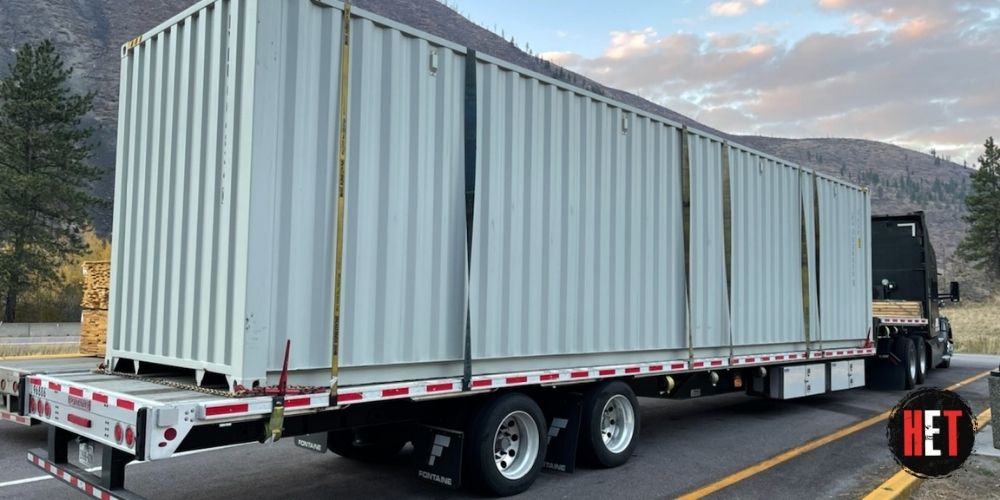
A container crossing the Canada border
Truck transport with expertise
Heavy Equipment Transport logo

Expertise you
can trust

Need specialized heavy equipment shipping?
Our logistics agents have the solutions you need.

16+ Logistics Experts
23+ Carriers Nationwide

The Cost of Moving a Container To British Columbia From The U.S.

Moving a container to Canada
Estimated Container Shipping Costs

Shipping costs from the U.S. to British Columbia can vary based on factors such as container size, shipping mode, distance, and additional services. Here are general estimates:

  • • 20-foot container: Approximately $2,000 to $3,000 USD
  • • 40-foot container: Approximately $2,500 to $4,000 USD

These estimates typically cover port-to-port shipping and may exclude additional charges such as inland transportation, customs fees, and insurance.

Factors Influencing Shipping Costs

Several elements can affect the final shipping cost:

  • Shipping Mode: Full Container Load (FCL) is generally more cost-effective for larger shipments, while Less than Container Load (LCL) might be suitable for smaller consignments.
  • Distance and Route: Longer distances and less direct routes can increase costs.
  • Seasonality: Peak shipping seasons may lead to higher rates due to increased demand.
  • Additional Services: Services like door-to-door delivery, expedited shipping, and special handling can add to the overall cost.
Additional Charges to Consider

Beyond the base shipping rates, consider the following potential additional costs:

  • Inland Transportation: Moving the container from the port to its final destination in British Columbia.
  • Customs Duties and Taxes: Import duties, Goods and Services Tax (GST), and other applicable taxes.
  • Insurance: Coverage for potential loss or damage during transit.
  • Handling Fees: Charges for loading, unloading, and terminal handling at ports.
Tips for Cost-Effective Shipping
  • Plan Ahead: Booking shipments in advance can help secure better rates.
  • Compare Quotes: Obtain multiple quotes from different carriers to find the most competitive pricing.
  • Optimize Container Use: Ensure the container is fully utilized to avoid paying for unused space.
  • Work with Experienced Brokers: They can navigate customs regulations and potentially reduce unforeseen costs.

The Cost of Moving a Container From British Columbia To The U.S.

Estimated Container Shipping Costs

Shipping a container from British Columbia to the United States involves various factors such as container size, shipping mode, distance, and additional services. Here are general estimates:

  • • 20-foot container: Approximately $1,000 to $2,000 USD
  • • 40-foot container: Approximately $1,500 to $4,000 USD

These estimates typically cover port-to-port shipping and may exclude additional charges such as inland transportation, customs fees, and insurance.

Factors Influencing Shipping Costs

Several elements can affect the final shipping cost:

  • Shipping Mode: Full Container Load (FCL) is generally more cost-effective for larger shipments, while Less than Container Load (LCL) might be suitable for smaller consignments.
  • Distance and Route: Longer distances and less direct routes can increase costs.
  • Seasonality: Peak shipping seasons may lead to higher rates due to increased demand.
  • Additional Services: Services like door-to-door delivery, expedited shipping, and special handling can add to the overall cost.
Additional Charges to Consider

Beyond the base shipping rates, consider the following potential additional costs:

  • Inland Transportation: Moving the container from British Columbia to its final destination in the U.S.
  • Customs Duties and Taxes: Import duties, Goods and Services Tax (GST), and other applicable taxes.
  • Insurance: Coverage for potential loss or damage during transit.
  • Handling Fees: Charges for loading, unloading, and terminal handling at ports.
Tips for Cost-Effective Shipping
  • Plan Ahead: Booking shipments in advance can help secure better rates.
  • Compare Quotes: Obtain multiple quotes from different carriers to find the most competitive pricing.
  • Optimize Container Use: Ensure the container is fully utilized to avoid paying for unused space.
  • Work with Experienced Brokers: They can navigate customs regulations and potentially reduce unforeseen costs.
Truck transport with expertise
Heavy Equipment Transport logo

Expertise you
can trust

Need specialized heavy equipment shipping?
Our logistics agents have the solutions you need.

16+ Logistics Experts
23+ Carriers Nationwide

Why Does It Cost Less to Ship Containers From British Columbia to the U.S.?

Shipping a container from British Columbia to the U.S. can sometimes be less expensive than shipping in the opposite direction due to several factors:

1. Currency Exchange Rates

The Canadian dollar typically has a lower value compared to the U.S. dollar. This exchange rate difference can make Canadian-origin services, including shipping, more affordable when priced in U.S. dollars.

2. Fuel and Operational Costs

Fuel prices and operational expenses, such as labor and infrastructure costs, can be lower in Canada. These reduced costs can contribute to lower overall shipping expenses when originating from Canada.

3. Customs and Regulatory Procedures

The customs clearance process for goods entering the U.S. from Canada may be more streamlined compared to goods entering Canada from the U.S. This efficiency can result in lower administrative costs and fewer delays, reducing the total shipping cost.

4. Market Demand and Trade Balance

There is often higher demand for shipping goods from the U.S. to Canada, leading to increased competition and potentially higher prices. Conversely, shipping from Canada to the U.S. might face less demand, allowing carriers to offer more competitive rates to attract business.

5. Carrier Networks and Logistics Infrastructure

Established carrier networks and logistics infrastructure in Canada can facilitate efficient shipping processes. These efficiencies can translate into cost savings for shipments originating from Canada.

Why Choose Heavy Equipment Transport For British Columbia Container Moves?

Heavy Equipment Transport makes it easy to choose us for British Columbia container moves. We provide top-quality container hauling services every time. For over fifteen years, British Columbia residents have trusted us to move their containers with reliable and affordable services. We've built our company and reputation on providing safe and reliable British Columbia container moves for every customer.

When you partner with Heavy Equipment Transport for British Columbia container moves, you'll receive: 

  • • A free, no-obligation quote
  • • A dedicated British Columbia transport specialist
  • • Paperwork handled for you
  • • Experienced drivers
  • • Adherence to top safety and DOT standards
  • • On time delivery
  • • And more!

Heavy Equipment Transport is the leading British Columbia container moving company, and we're ready to give you a quote now!
Let's get started!

(888) 730-2951
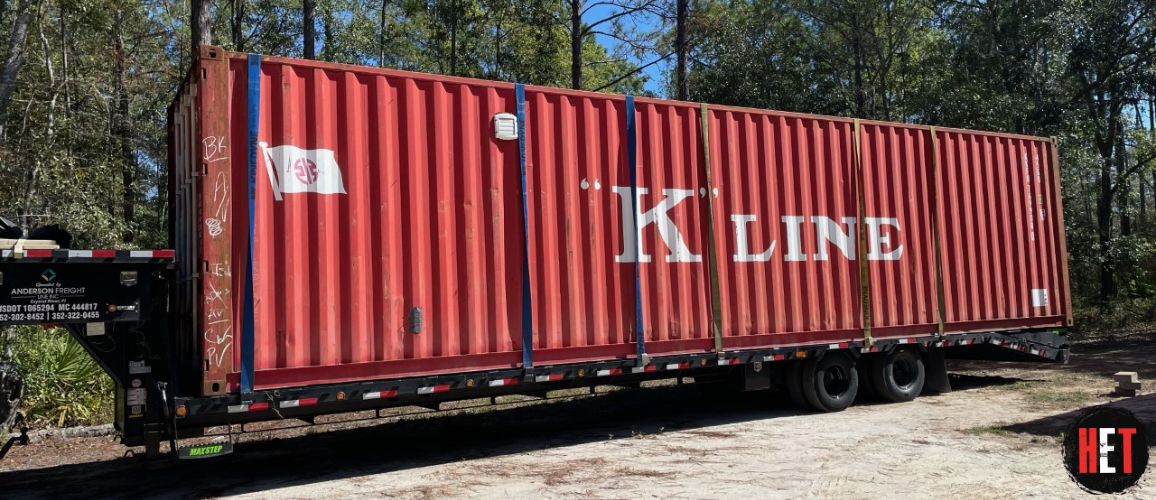
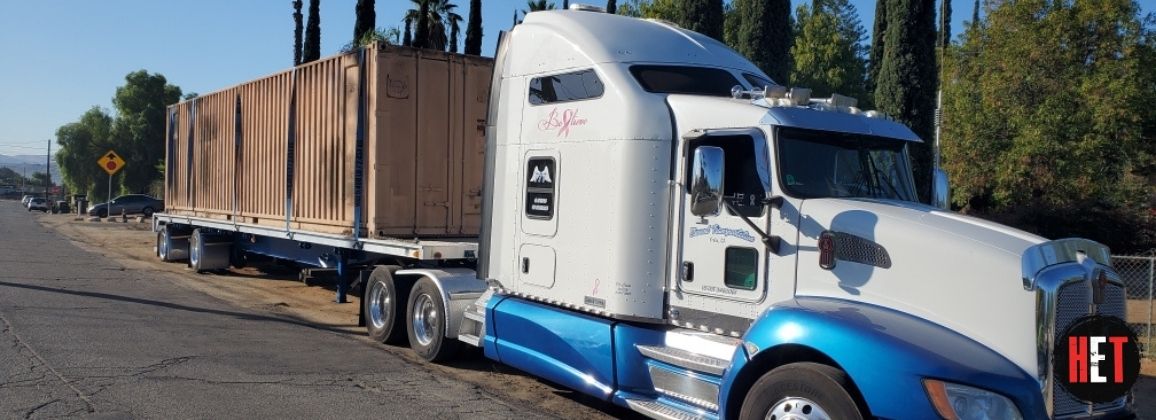
Container transported by semi truck