

No Compromises. Full Results.
Speak with a logistics expert - we’ll handle
your transport from A to Z.

Nationwide

Experience

Experts
Conveyor Belt Transport You Can Trust by Heavy Equipment Transport
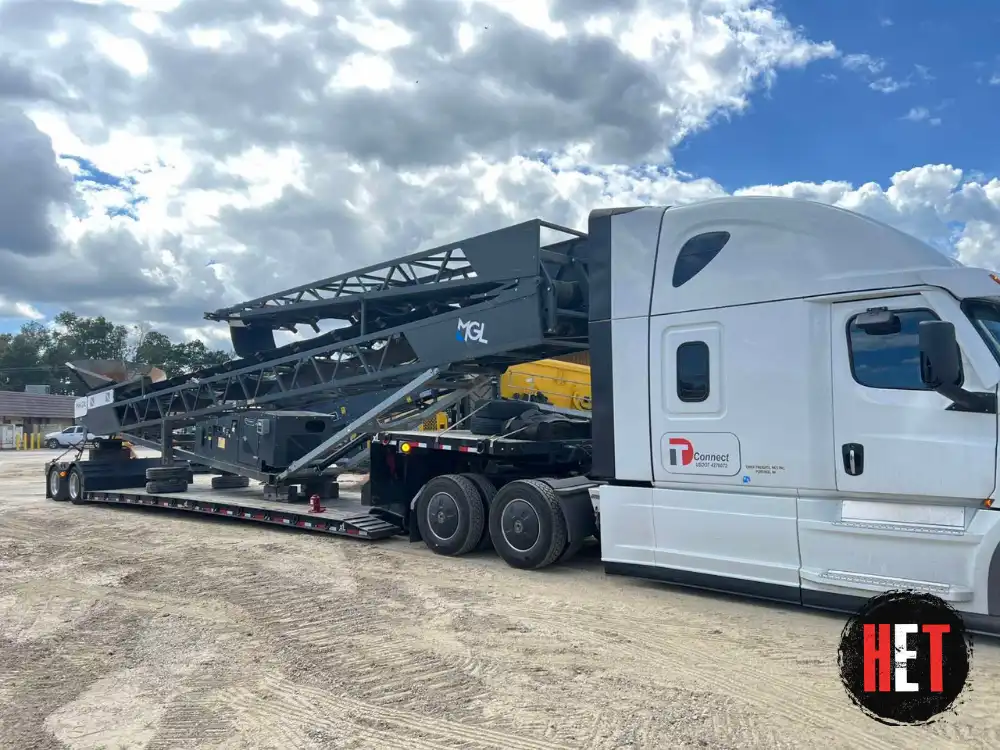
Conveyor belts and conveyor systems play an essential role in manufacturing, mining, packaging, agriculture, distribution centers, and countless other industries. From compact belting rolls to fully assembled conveyor systems, moving this equipment needs expert planning, specialized equipment, and a team that understands the unique challenges these machines present.
Heavy Equipment Transport delivers that level of service nationwide, helping businesses move belts, sections, frames, motors, and full systems with confidence. With more than 16 years of experience handling industrial machinery, our team manages everything from small replacement belt rolls to oversized conveyor assemblies headed for large-scale production facilities. Our team of professionals handles your shipment with the highest level of care so your equipment arrives ready for installation, repair, or integration into your operation when you need it.
Let’s get your conveyor belt shipped today! Call now.
Conveyor Belt Transport From the Experts
A successful conveyor belt shipment begins with detailed preparation. Our logistics team gathers important information about the equipment. We look at belt length, roll diameter, system dimensions, frame size, motor weight, attachments, and any custom features involved in order to select the ideal trailer and securement methods for the job.
These are our key parts of the planning process:
Comprehensive Planning and Pickup Coordination
- Comprehensive Analysis of Your Load: Collecting measurements, component details, shipping configuration, and any notes regarding fragile or high-value parts
- Mapping Out the Most Efficient Route: Reviewing terrain, access limitations, industrial facility requirements, and delivery constraints
- Easy Scheduling: Coordinating pickup and delivery windows that support your production timeline
You’ll receive clear updates from your dedicated coordinator, keeping communication smooth from the beginning of your transport’s journey.
Permits, Facility Requirements, and Industrial Site Logistics
Some conveyor systems fall within standard hauling dimensions, but larger assemblies, extended frames, or multi-section systems may require special permits or routing adjustments. Our team manages every detail, including planning, permits and where needed, pilot cars.
We frequently work with manufacturing plants, warehouses, and processing facilities that maintain strict loading rules. Our drivers follow all safety protocols, PPE requirements, and timing restrictions so your shipment stays compliant with site standards and gets to its destination on time.
Safe Loading, Securing, and Transport
Transporting conveyor belts calls for careful handling, especially when long belt rolls or assembled frames are involved. Belt material can be damaged by sharp bends, compression, or shifting during transit, so we use safe loading angles, padded contact points, and tie-downs designed to prevent stress on the belting.
For conveyor assemblies, our team stabilizes motors, rollers, structural supports, and attached components. Every securement point is double-checked before departure, with added bracing for long-distance or multi-state shipments. Enclosed trailer options are available for small or sensitive components that need extra protection from debris or weather.
Transport for Manufacturers, Distributors, and Industrial Companies
- Conveyor system manufacturers
- Mining and aggregate operations
- Recycling and material-handling facilities
- Distribution centers and logistics hubs
- Packaging plants and processing facilities
- Repair companies and equipment installers
How To Ship With Heavy Equipment Transport
We deliver with experience, care, and nationwide reliability.
1. Request Your Free Estimate
Fill out our quick quote form to get started.
2. Work With An Experienced Agent
We coordinate everything — permits, trailers, and scheduling.
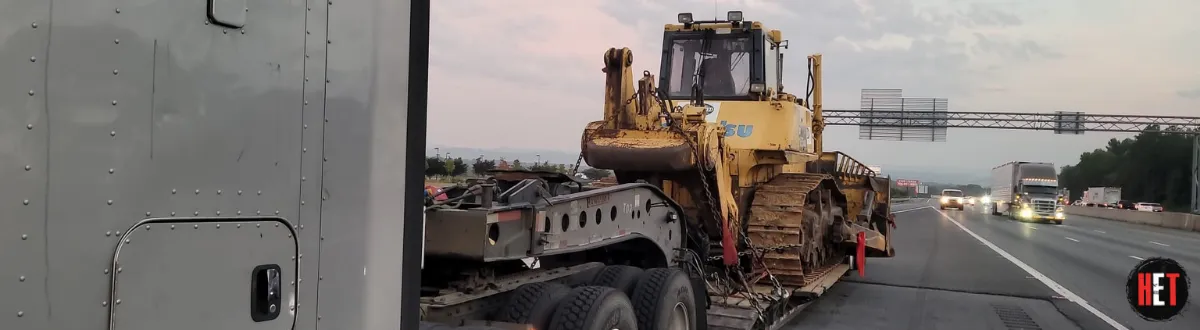
3. Take Pictures
Take pictures before and after transport to ensure everything arrives as expected.
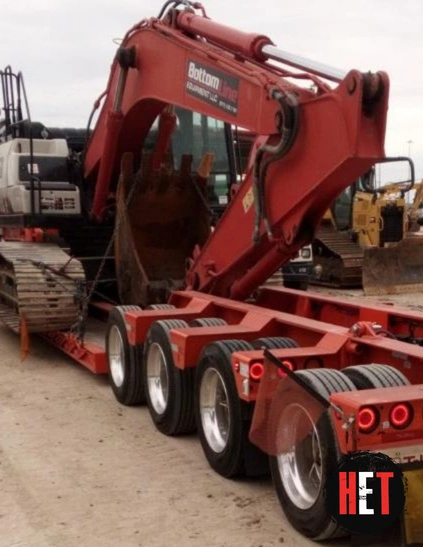
3. Take Pictures
Take pictures before and after transport to ensure everything arrives as expected.
2. Work With An Experienced Agent
We coordinate everything — permits, trailers, and scheduling.
4. Dependable Delivery
Your equipment is transported safely and efficiently to its destination.
Specialized Equipment for Conveyor Belt Hauling
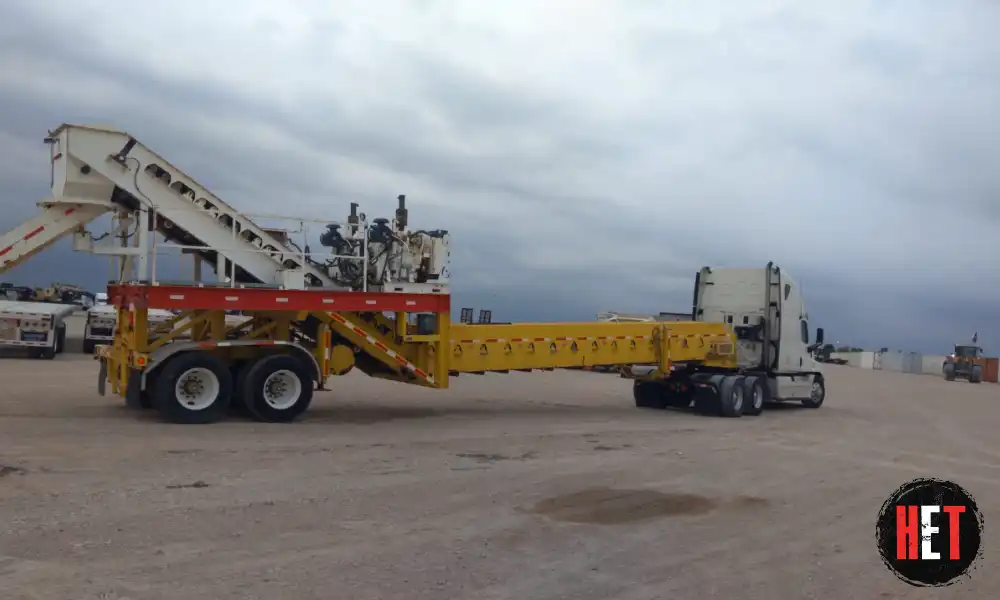
Conveyor belt transport benefits from equipment designed for stability and protection. Our nationwide fleet offers:
- Enclosed trailers for parts that need protection from dust, weather, or impact
- Sturdy blocking and bracing built to stabilize large rolls or oddly shaped conveyor pieces
- A full range of flatbeds, step-decks, and RGNs to handle conveyor equipment of any size
- Soft-contact tie-downs that prevent stress or wear on the belt material
- Ramp and liftgate carriers that make loading modular conveyor units easier
With the right setup in place, each item travels securely from pickup to delivery.
Request a Conveyor Belt Transport Quote Today
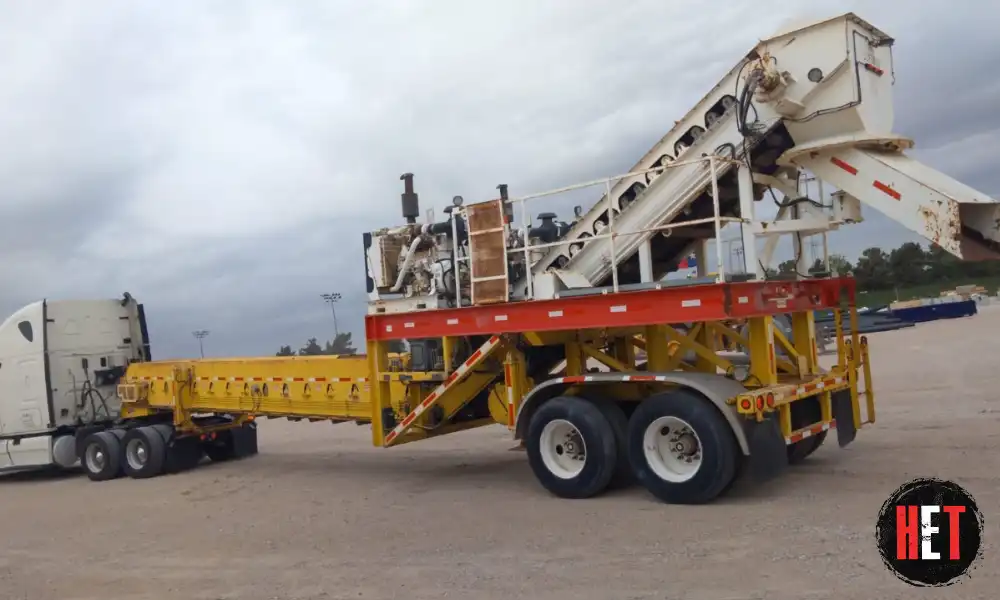
Transporting conveyor belts doesn’t need to interrupt your workflow. Heavy Equipment Transport handles planning, loading, hauling, and coordination so your equipment arrives safely and on time.
Looking to transport your conveyor belt?
Reach out to us for a free, no-obligation quote.
Conveyor Belt – Transport FAQ
1. How do you transport long conveyor belts without causing bending or creasing damage?
We keep belts in supported, evenly balanced positions using padded securement and proper roll orientation. This prevents stress points and protects the belting material during the ride.
2. Can you haul both assembled conveyors and disassembled belt components?
We handle full conveyor frameworks, motors, rollers, and individual belt rolls. Shipments can include a single piece or an entire system.
3. Do oversized conveyor systems require pilot cars or special permits?
Some large assemblies do. Our team obtains permits, plans routing, and arranges pilot vehicles when needed.
4. What securement steps are taken to stabilize conveyor belt rolls during shipment?
We use chocks, blocking, padded straps, and balanced tie-down points to keep rolls from shifting or flattening. Each roll is positioned to limit vibration and movement.
5. Can you coordinate pickup from manufacturing facilities with strict loading protocols?
We work directly with plant managers and shipping departments to follow safety rules, timed loading windows, and required on-site procedures.

Let Us Handle Your
Heavy Equipment Shipment
We’ve got the know-how and the haul power to get it done right.
(888) 730-2951
Need A Specific Transport?
Types Of Construction Equipment
Trailer Type
Heavy Equipment Transport uses all types of trailers. We provide the best trailer transport solutions to fit your needs. Find out more below!



What Our Customers Say
Mike Malone was very professional and got the job done despite having to deal with a trucker that didn’t follow instructions. He was very apologetic about trucker’s mistake and his second trucker was extremely helpful and got our dozer and implements....
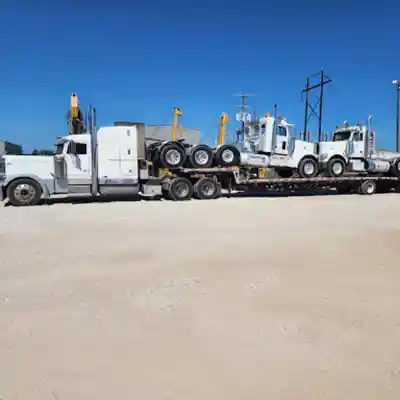
Jamie went way above what's expected from a broker. Rate con was fast accurate straight forward. If he didn't have the answer he got it for me in a timely manner. Rare breed! Good honest brokers are extremely rare these days. Honestly these folks are just awesome! I'll gladly go above....
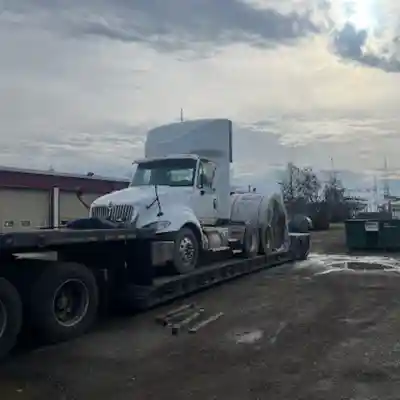
I recently had the pleasure of using Nation Wide Transport Services to move a semi from Quebec to Fort Lauderdale, and I couldn't be more satisfied with their service. A special shoutout to Chris, whose exceptional efforts ensured everything ran smoothly. Their professionalism and attention to detail were remarkable....
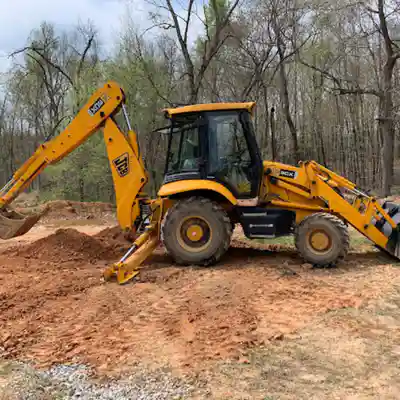
A+ service from the first phone call to the delivery of the vehicle. From Colorado to New York in three days or less was incredible. I would recommend your business to any of my friends.
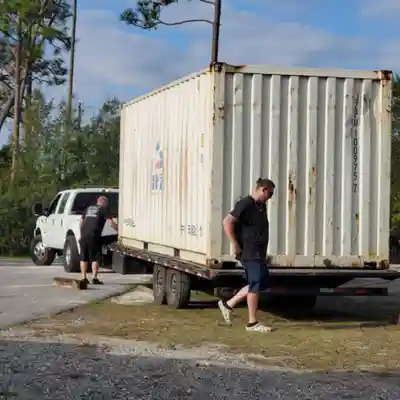
The transport guys were amazing. Knew exactly how to get around in tight spaces, quickly picked up our container and was on their way. Arrived at drop off location on time and dropped it exactly where we wanted it with no effort at all.
A+ Rated and Accredited

Learn More About Shipping Construction Equipment On The Blog
See All

Expertise you
can trust
Need specialized heavy equipment shipping?
Our expert logistics agents have the solutions you need.