
Live Shipping Estimates - Available Right Now

Live Shipping Estimates - Available Right Now

Hauling Heavy Equipment

Expert Vehicle Engine Shipping Services

Hauling vehicles for individuals and professionals nationwide.

/>
Heavy Equipment Transport Logo

No Compromises. Full Results.

Speak with a logistics expert - we’ll handle
your transport from A to Z.

(888) 730-2951
Heavy Equipment Carriers
23,000+
Carriers
Nationwide
Freight Shipping
16+
Years of
Experience
Heavy Equipment
130+
Logistics
Experts

Vehicle Engine Shipping and Hauling

Vehicle engines don’t ship like boxed parts. They’re dense, awkwardly shaped, and full of openings and sensors that can get damaged if the load tips or leaks. The basics stay the same every time. Package it right, plan the handling, and pick the right service so it arrives ready to install.

We handle vehicle engine hauling every day. Our job is to keep your timeline intact and take the guesswork out of pickup, transit, and delivery.

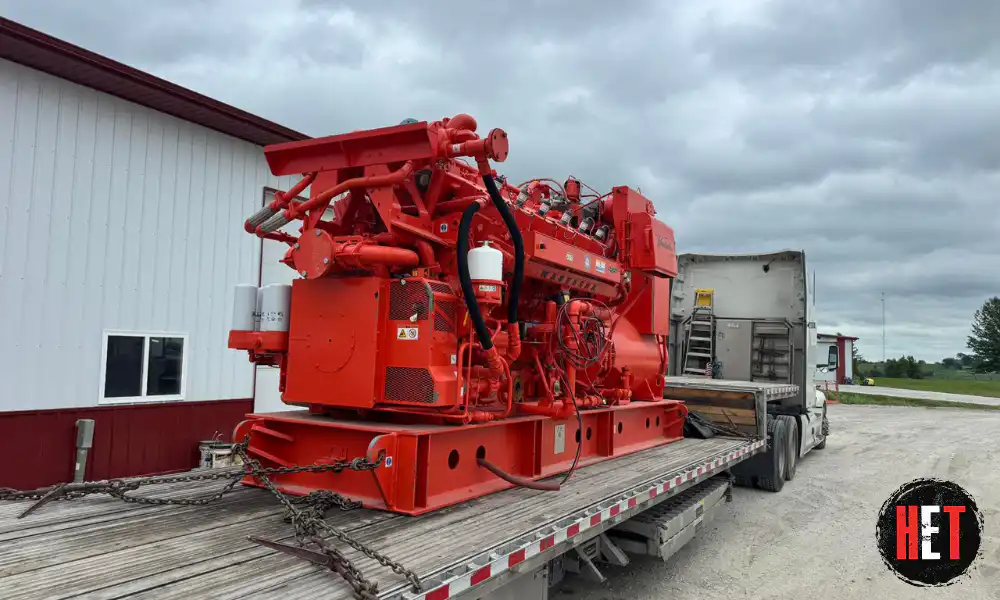
Transporting Innio Waukesha gas engine

Call today to speak with one of our experts

(888) 730-2951

Planning a Vehicle Engine Shipment

Before we quote or dispatch, we focus on the details that change the outcome. Packaged weight and dimensions come first. That’s the engine plus the pallet or crate. Then we look at access on both ends. Do you have a forklift, or do you need a liftgate. Is delivery going to a shop, a yard, or a residential address.

Those answers decide what kind of truck shows up and how the engine gets handled. They also help avoid the most common problem with vehicle engines, a plan that falls apart at the curb.

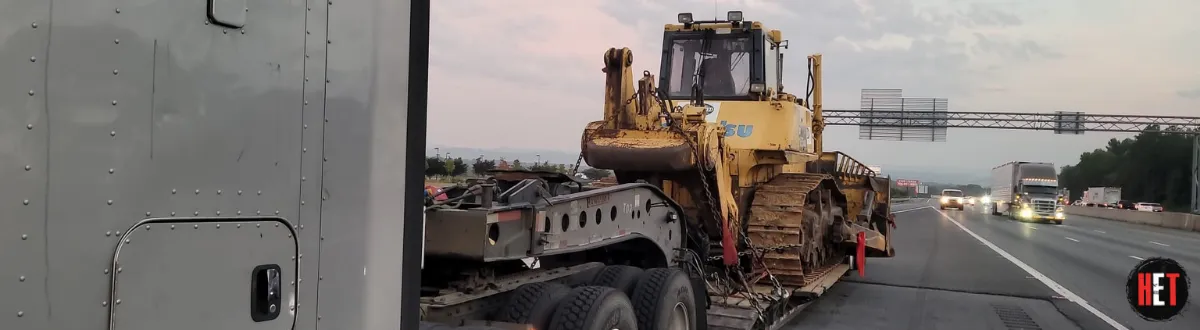
Transporting a tracked paver with engine

Start your free quote now

Free Quote

Packaging and Leak Control for Vehicle Engine Shipping

A stable base is the difference between a clean delivery and a damaged claim. Vehicle engines should be mounted to a pallet or skid so they can’t walk, twist, or tip during forklift moves. If the shipment moves LTL, it may see more handling, so the base and bracing have to hold up.

Here’s what we like to see before pickup.

  • All fluids drained, with caps and plugs secured.
  • Engine mounted to a pallet or skid, with blocking and bracing.
  • Protective wrap or a crate shell to guard exposed parts.
  • Banding or rated straps that keep the package tight as one unit.

Fuel residue is a compliance issue, not just a mess. DOT rules treat engines differently depending on what’s inside the fuel system. In general, fuel tanks and fuel lines must be drained and closed, and only a small amount of residual fuel can remain if it’s secured to prevent leakage. If an engine still contains more fuel than allowed, it may move under hazardous materials rules and require extra steps.

Truck transport with expertise
Heavy Equipment Transport logo

Expertise you
can trust

Need specialized heavy equipment shipping?
Our logistics agents have the solutions you need.

16+ Logistics Experts
23+ Carriers Nationwide

Service and Trailer Selection for Hauling a Vehicle Engine

For a single engine, LTL can be a good fit if time is flexible and the packaging is strong. If the engine is high value, rebuilt, or tied to a deadline, dedicated service is often the safer call because it reduces transfers. For weather protection and lower exposure, enclosed options like a dry van or box truck are common.

Open-deck transport can work for larger skidded engines and industrial power units. In that case, securement becomes the priority. Federal cargo securement rules require tiedowns with enough combined working load limit, and the load still needs blocking so it can’t slide or tip under braking.

Vehicle Engine Hauling Process

We assign one logistics point of contact and build the plan from pickup to delivery. With 23,000 plus carriers in our network and more than 130 logistics experts, we can match the right equipment to your lane and your access needs. You’ll get clear pickup timing, the trailer type, and what the driver needs on site.

If you’re booking vehicle engine hauling and want a straightforward quote, call Heavy Equipment Transport at (888) 730-2951. We’ll talk through packaging, handling equipment, service level, and timing.
Hauling heavy equipment

Heavy Equipment Transport Logo Talk to a Heavy Equipment Transport Specialist

Secure your transport today and see why we're the best
(888) 730-2951

Expedited Jet Engine Transport for Time-Critical Shipments

Some moves are routine. Others are time-critical, like AOG situations. For urgent jobs, we can source exclusive-use capacity and tighten the schedule around your pickup and delivery windows. For high-value shipments, we add condition photos, documented handoffs, and frequent status updates so you can keep your team moving without chasing information.

FAQ

Can vehicle engines be shipped without being installed in a vehicle?

Yes. Vehicle engines are commonly shipped as standalone freight on a pallet or in a crate. The engine needs stable mounting, protection for exposed parts, and leak control before pickup.

Is it better to ship a car engine crated or palletized?

A crate gives more protection from bumps and contact with other freight. Palletizing can work well and is often cheaper, as long as the engine is bolted or strapped down with blocking, bracing, and tight wrap.

Do vehicle engines need to be drained before transport?

In most cases, yes. Draining oil and coolant helps prevent leaks and carrier refusals. Fuel residue also matters under DOT rules, so the engine should be prepared to prevent leakage in transit.

Can you ship multiple vehicle engines in one load?

Yes. We can move multiple vehicle engines as a multi-pallet shipment or on a dedicated truck. The best option depends on quantity, timeline, and how much handling you want between pickup and delivery.

Do you offer enclosed transport for high-value or rebuilt engines?

Yes. We can arrange enclosed transport like a dry van or box truck for high-value or rebuilt engines. You still want a solid pallet or crate, but enclosure adds protection from weather and reduces exposure.