
Truck Engine Shipping Packaging, Fluids, and Clean Freight Prep
Palletizing is common because forklifts can move a stable base quickly. We look for solid runners, tight banding, and blocking that keeps the engine from walking during vibration. Crating can add protection for longer distances and rebuilt units, and it helps shield exposed parts.
Fluids are the fastest way to derail a pickup. If a truck engine can drip, it can be refused or delayed. Drain what you can, cap lines, and use absorbent materials or a drip pan when needed. If there’s residual fuel, keep everything closed and leak-free.
Trailer Options and Loading Plans for Truck Engine Transport
Trailer choice depends on handling and risk. Palletized truck engines often move in enclosed LTL trailers or dry vans. LTL can lower cost, but it usually means more touches through terminals. If you want fewer handoffs, a dedicated dry van is a common step up.
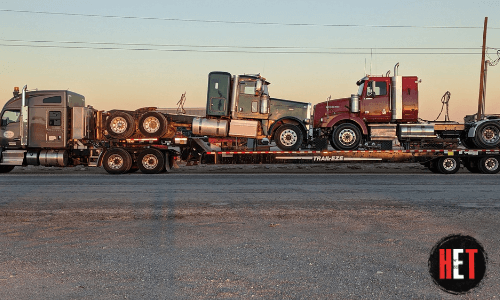
Flatbeds and hot shot gooseneck trailers fit direct delivery to shops and yards without docks. They’re also a good match for urgent lanes tied to downtime. Box trucks with liftgates can work for some sites, but the packaged weight has to fit the liftgate rating.
Truck Engine Securement for Safe Transport
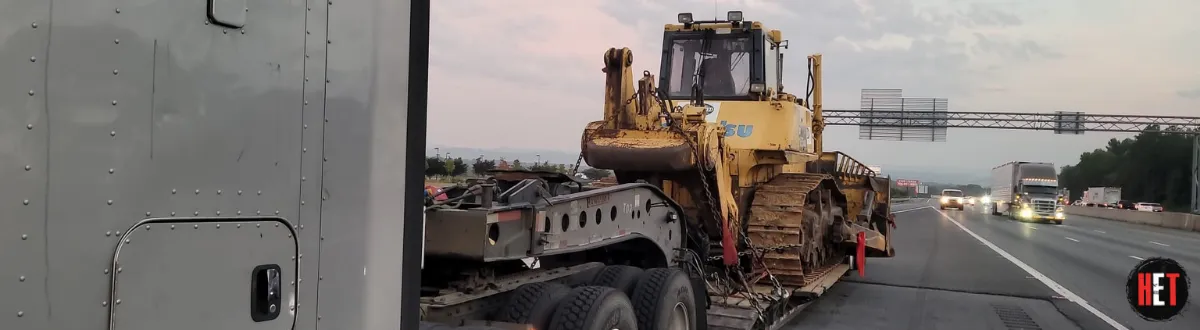
Truck engine hauling is about stopping movement in every direction. Federal cargo securement principles focus on preventing shifting that could affect stability or control. We use rated straps or chains, plus blocking and bracing when the packaging allows it.
Working load limits matter. A common federal standard says the aggregate working load limit of the securement system should be at least half the cargo weight. Re-tensioning after the first stretch helps keep vibration from loosening the setup.