
No Compromises. Full Results.
Speak with a logistics expert - we’ll handle
your transport from A to Z.

Nationwide

Experience

Experts
Auburn Equipment Transport That Keeps Projects on Track
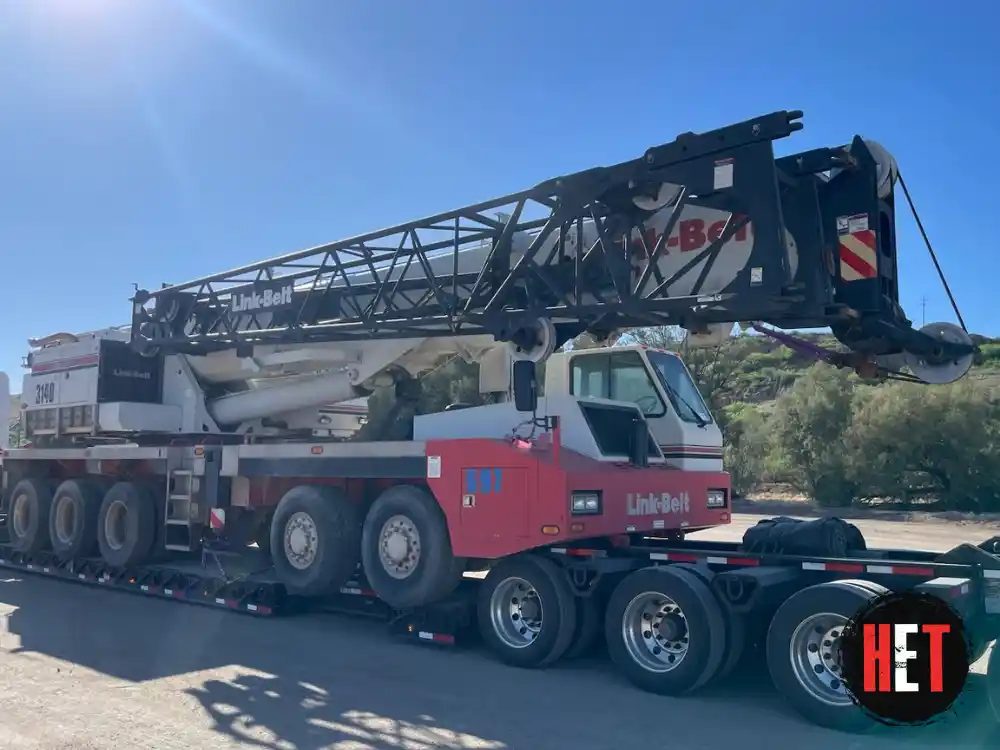
When equipment is needed at a warehouse, manufacturing site, construction project, or municipal facility, arrival timing matters. Heavy Equipment Transport builds the move around the project schedule, site access, and loading requirements.
Auburn equipment transport commonly uses SR 18, SR 167, and connections throughout the Seattle-Tacoma region. Traffic, weather, industrial access, and receiving windows are reviewed before dispatch to help prevent avoidable disruptions.
Call (888) 730-2951 for an Auburn, WA equipment transport quote planned around your deadline.

Expertise you
can trust
Need specialized heavy equipment shipping?
Our expert logistics agents have the solutions you need.
Common Equipment Specs For Auburn, WA Shipping
- Typical Equipment: Manufacturing machinery, warehouse equipment, construction equipment, forklifts, generators, and lifts.
- Common Trailer Types: Flatbeds, step decks, lowboys, removable goosenecks, and double-drop trailers.
- Planning Factors: SR-18 and SR-167 traffic, Pacific Northwest weather, industrial access, grades, and receiving hours.
- Quote Details Needed: Equipment dimensions, weight, loading method, site access, and project deadline.
Average Transit Times From Auburn, WA
| Destination | Approximate Distance | Estimated Transit Time |
|---|---|---|
| Seattle, WA | 30 miles | Same day |
| Tacoma, WA | 20 miles | Same day |
| Portland, OR | 150 miles | 1 day |
| Spokane, WA | 280 miles | 1 day |
| Boise, ID | 500 miles | 1–2 days |
Transit times may shift due to Puget Sound congestion, mountain weather, route grades, permits, loading conditions, and receiving-hour limitations.
Industries Driving Equipment Transport In Auburn
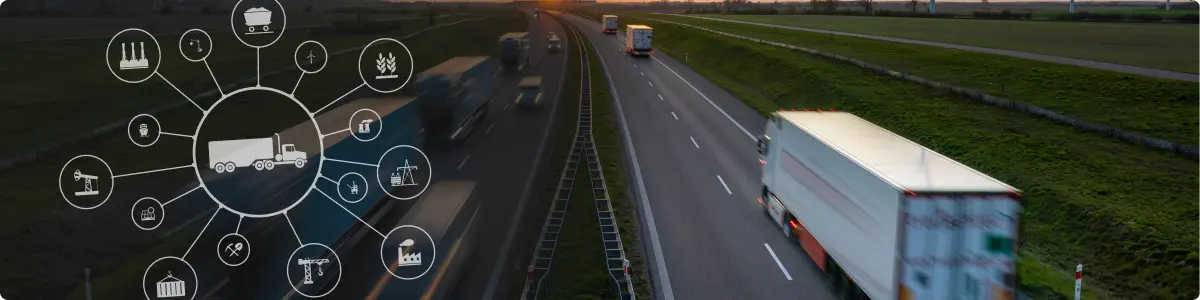
- Manufacturing Auburn manufacturers often require equipment transport for production machinery, plant upgrades, industrial systems, and facility components.
- Warehousing and Distribution Regional logistics centers often need forklifts, conveyor systems, loading equipment, and warehouse machinery hauled.
- Aerospace Puget Sound suppliers often require specialized transport for production equipment, tooling, generators, and facility machinery.
- Construction Commercial and infrastructure projects often depend on excavators, lifts, cranes, and site-support equipment.
- Utilities Power and public works projects often need equipment hauling for transformers, trenchers, generators, and service machinery.
- Food Processing Regional facilities often require machinery transport for production lines, refrigeration systems, and plant improvements.
Auburn, WA Equipment Transport FAQ
Can equipment be delivered to warehouses and manufacturing sites in Auburn?
Yes. Transport can be coordinated around industrial access, facility rules, receiving appointments, loading areas, and active operations.
What details are needed for an Auburn equipment transport quote?
Provide the equipment dimensions, weight, pickup and delivery locations, loading method, site requirements, and project deadline.
How does Puget Sound traffic affect equipment transport in Auburn?
Congestion on SR 18, SR 167, I-5 connections, and nearby freight corridors can affect transit and arrival timing.
Do mountain weather conditions affect routes from Auburn?
They can. Snow, ice, wind, and pass restrictions may affect long-distance routes heading east or south from the region.
Are permits or pilot cars required for oversize loads?
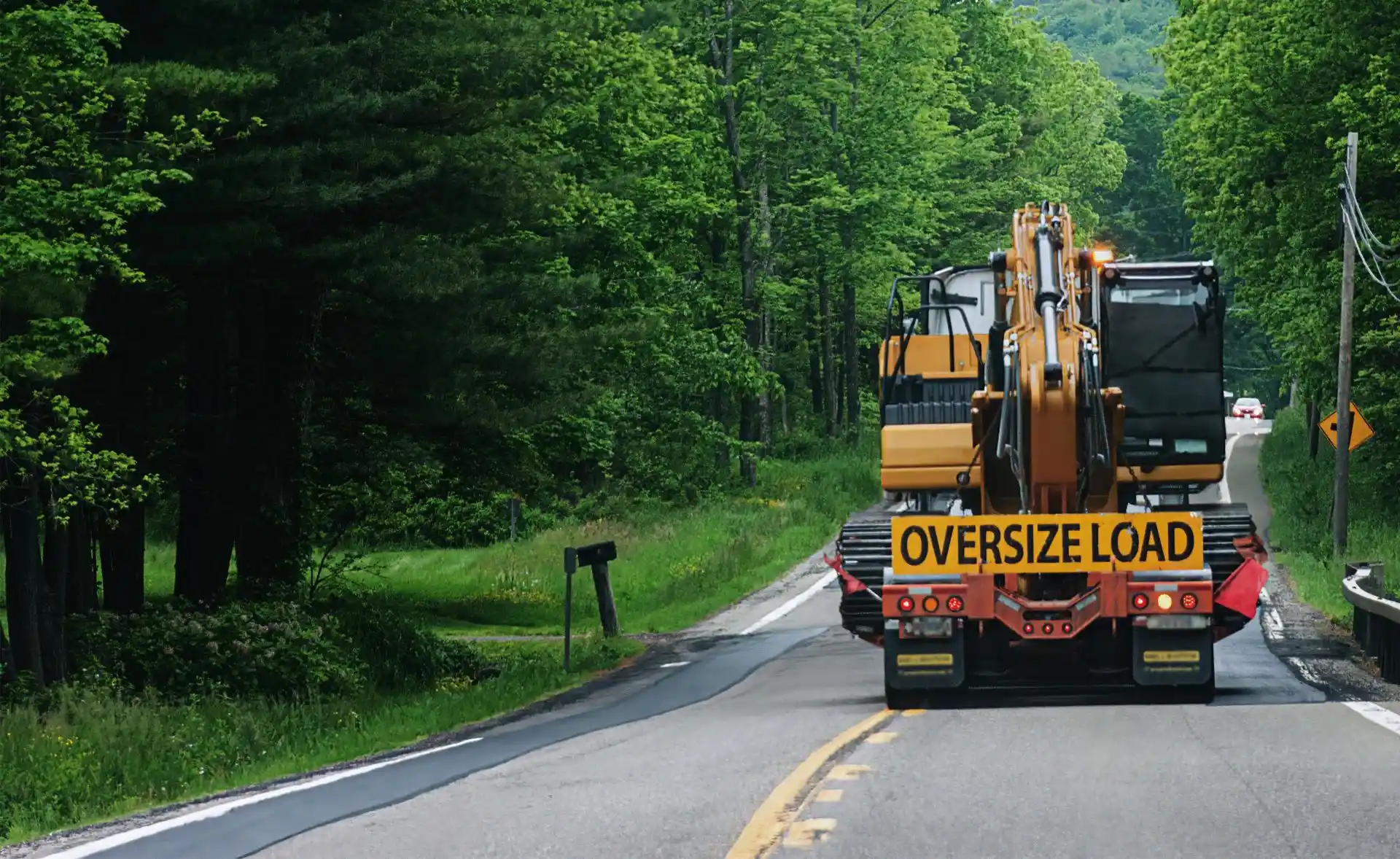
They may be required depending on the loaded dimensions, weight, route, and current Washington transport regulations.
What Our Customers Say
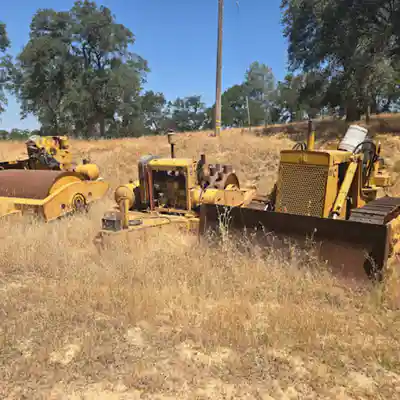
Mike Malone was very professional and got the job done despite having to deal with a trucker that didn’t follow instructions. He was very apologetic about trucker’s mistake and his second trucker was extremely helpful and got our dozer and implements....
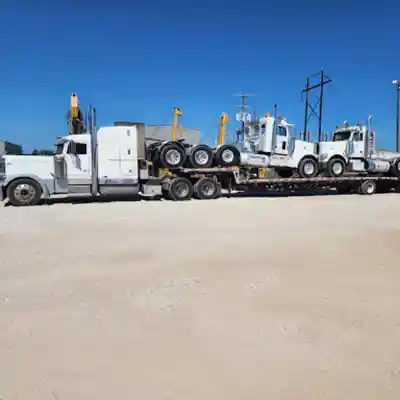
Jamie went way above what's expected from a broker. Rate con was fast accurate straight forward. If he didn't have the answer he got it for me in a timely manner. Rare breed! Good honest brokers are extremely rare these days. Honestly these folks are just awesome! I'll gladly go above....
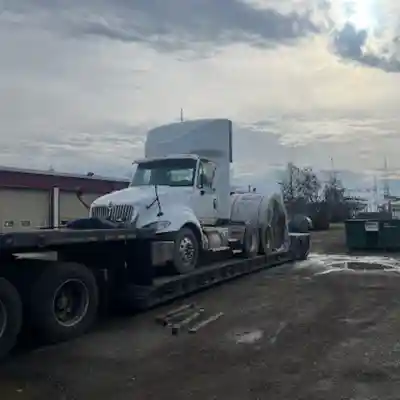
I recently had the pleasure of using Nation Wide Transport Services to move a semi from Quebec to Fort Lauderdale, and I couldn't be more satisfied with their service. A special shoutout to Chris, whose exceptional efforts ensured everything ran smoothly. Their professionalism and attention to detail were remarkable....
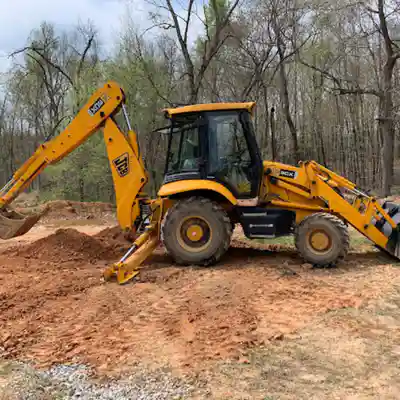
A+ service from the first phone call to the delivery of the vehicle. From Colorado to New York in three days or less was incredible. I would recommend your business to any of my friends.
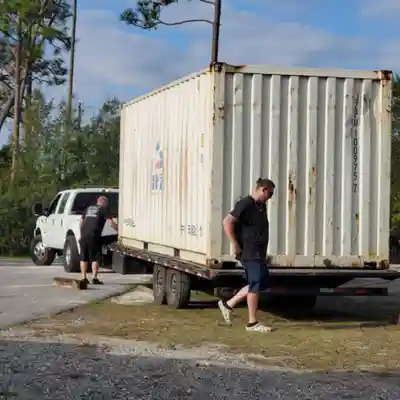
The transport guys were amazing. Knew exactly how to get around in tight spaces, quickly picked up our container and was on their way. Arrived at drop off location on time and dropped it exactly where we wanted it with no effort at all.
A+ Rated and Accredited

Why Choose US For Your Next Move?
Fully Licensed, Bonded & Insured
Comprehensive cargo and liability coverage on every haul, with all required permits and documentations.
Decades of Heavy Haul Experience
From excavators to oversized cranes, we know the routes, and regulations that keep loads moving.
Specialized Fleet & Certified Operators
The right trailer for your load, run by drivers trained specifically in heavy equipment transport.
Clear Communication, Start to Finish
A dedicated expert and real-time updates—always know where your equipment is and when it'll arrive.
Equipment Transport Routes In Auburn, WA
Auburn equipment transport often moves through SR 18, SR 167, I-5 connections, and industrial roads serving warehouses, manufacturers, and construction projects. Puget Sound congestion, steep grades, weather, rail crossings, bridge restrictions, and facility appointment times can affect routing. Oversize equipment must follow the route approved by Washington permitting authorities.
Need Help Planning Your Route?
Our heavy haul experts handle it all, they’ll plan the route, pull the permits, and clear the weigh stations.
Crane Requirements in Auburn
Transporting cranes requires specialized equipment, detailed planning, and strict compliance with state and local regulations.
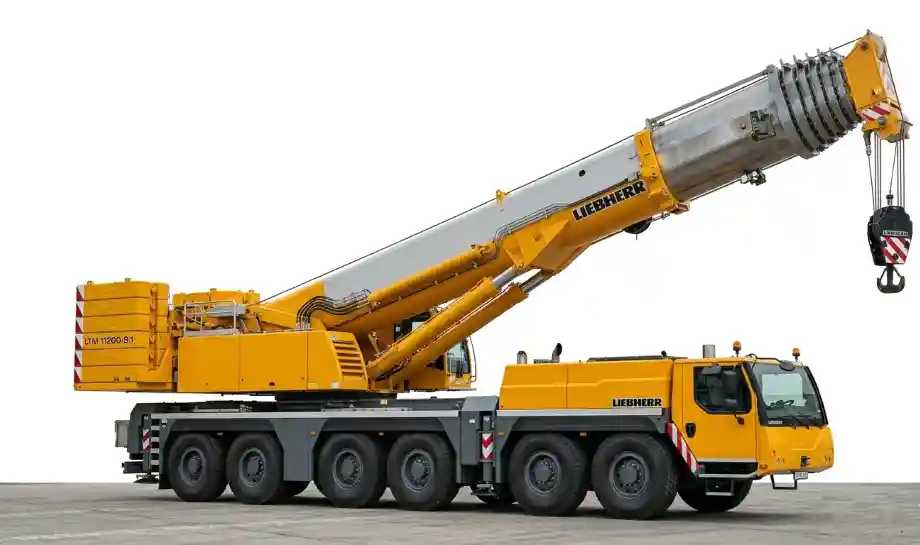
Telescopic Cranes
Boom extend telescopically
Typical capacity: 20 - 1,200 Tons
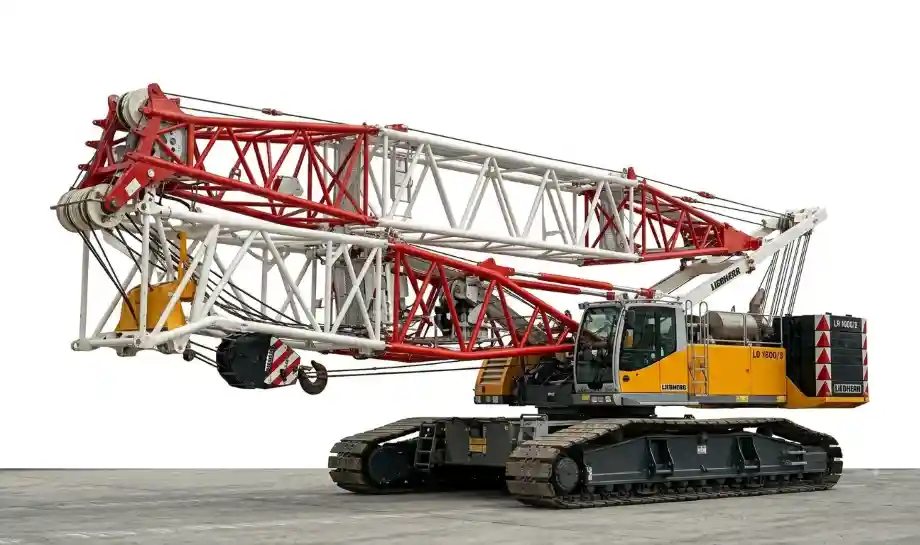
Lattice Boom Cranes
Heavy lift cranes with lattice style booms.
Typical capacity: 50 - 3,000 Tons
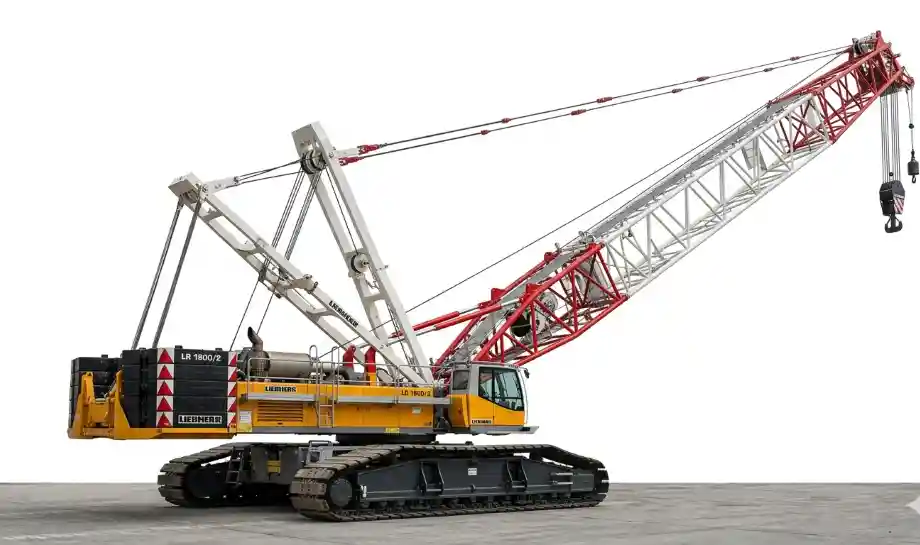
Crawler Cranes
Track-mounted cranes for rough terrain.
Typical capacity: 50 - 3,500 Tons
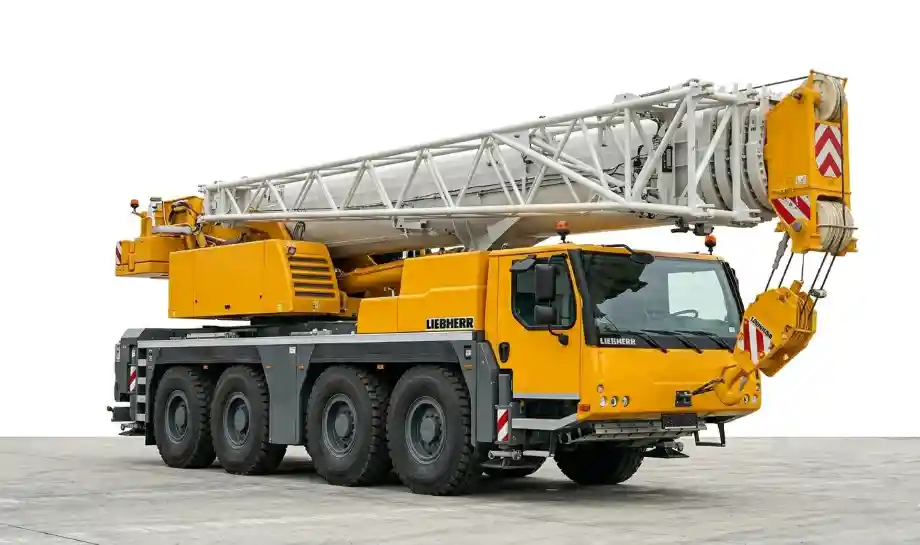
All Terrain Cranes
Built for lifting on uneven surfaces.
Typical capacity: 15 - 200 Tons
Crane Transport Requirements
Permits
Oversize/overweight permits are required for most crane moves.
Lead time: 3-10+ business days depending on route and size.
Route Survey
Routes are reviewed for bridge clearances, weight restrictions, turn radii, and overhead obstructions.
Weight and Dimensions
Gross weight, axle weights, height, width, and length must comply with state and federal regulations.
Escort Vehicles
Pilot cars or escorts are typically required for oversize loads.
Requirements vary by state and load size.
Travel Time Restrictions
Some states restrict crane moves to daylight hours or during non-peak travel times.
Load Securement
Cranes must be properly secured per DOT standards.
Certified tie-downs and experienced drivers are essential.
Insurance
Adequate cargo and liability coverage is required for all crane transports.
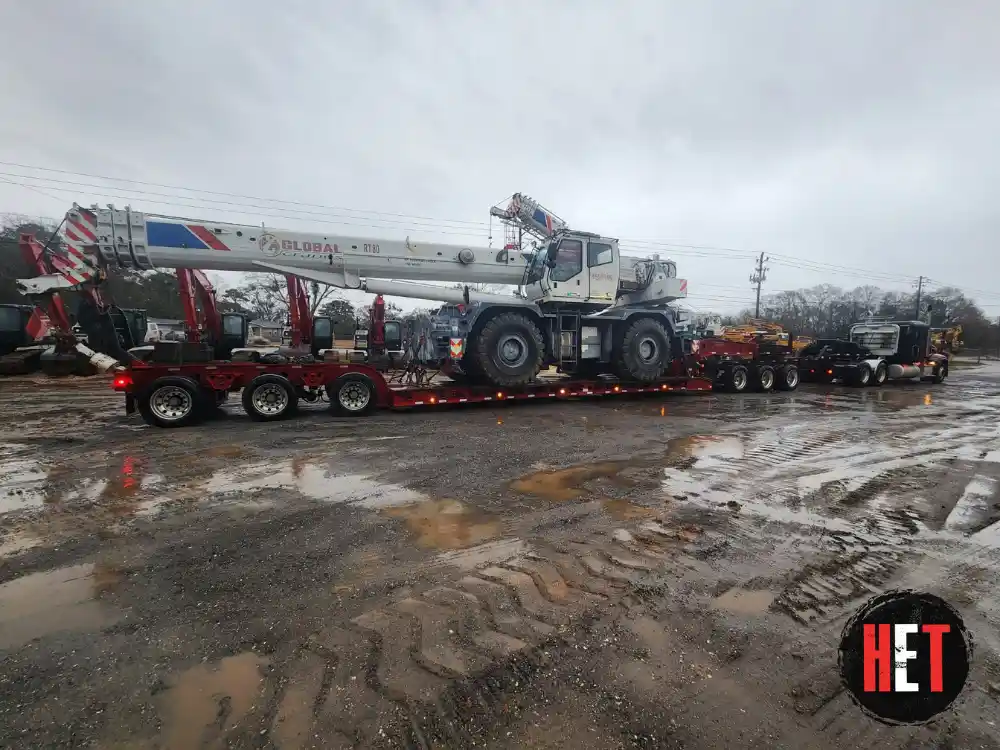
Need Crane Rental Solutions?
Our partners at WLS have the fleet and expertise to match the right crane to your job.
- Wide range of crane sizes and capacities
- Trusted partner with proven experience
- Quick quotes, flexible rental terms

Need A Specific Transport?
Common Types of Heavy Equipment Transports
Bridge Clearance Considerations In Auburn, WA
Auburn equipment transport routes should be checked for current structure clearances, construction restrictions, and weather-related changes along SR 18, SR 167, and local industrial roads. The height of the equipment must be calculated with the selected trailer before routing.
| Bridge/Overpass | Location | Route | Posted Clearance | Max Load Height | Notes |
|---|---|---|---|---|---|
| SR 18 interchange structures | North and east Auburn | SR 18 | Verify through WSDOT and field signage | Permit-route dependent | Check active construction, ramps, grades, and the designated oversize path. |
| SR 167 overpasses | West Auburn | SR 167 | Verify through WSDOT and field signage | Permit-route dependent | Review each interchange and industrial-road connection before movement. |
| Warehouse and rail-area approaches | Auburn industrial districts | Local route | Field verification required | Site-route dependent | Confirm rail structures, signals, utilities, gates, and yard access. |
Note: WSDOT permit routing and current restrictions control travel on state highways. Local-road and facility clearances require separate confirmation.
Measure Clearance
Verify posted clearance and account for road crown and load height.
Know Your Load
Include total height of equipment, trailer, and tie-downs.
Plan Alternates
Low bridges may require detours or special permits.
We Plan it for you
Our team verifies bridge clearance and builds compliant, safe routes.
(888) 730-2951Weigh Station Routes For Auburn, WA Equipment Transport
Auburn equipment carriers may encounter electronic screening, weigh-in-motion systems, fixed weigh stations, or Washington State Patrol roadside inspections. Drivers must obey the signal displayed by the screening system and any officer instructions.
- Relevant Inspection Facility or Enforcement System: Washington uses weigh station electronic screening at multiple fixed facilities and virtual weigh-in-motion locations to identify commercial vehicles requiring inspection.
- Primary Corridor Review: Loads using SR 18, SR 167, or I-5 connections should review WSDOT restrictions, permit routing, electronic screening locations, and axle-weight compliance before movement.
- Local Access: Warehouse, rail, and manufacturing approaches may still be subject to mobile enforcement even after a vehicle receives an electronic bypass at another location.
Need Help Planning Your Route?
Our heavy haul experts handle it all, they’ll plan the route, pull the permits, and clear the weigh stations.
Tips For Smoother Transport
- Check current hours - some stations have seasonal or lane closures
- Follow posted bypass routes if your load exceeds posted limits
- Remove unnecessary items and secure all equipment before crossing
- Keep a copy of permits, route plans, and weight tickets
- Work with an experienced transport partner who knows
Key Weigh Station Facts
- All commercial vehicles may be inspected
- Hours of operation vary by location
- Have permits and documents ready
- Overweight violations can result in fines and delays