How to Choose the Right Equipment Trailer

William Thomas / January 2021
Trailers are indispensable utility vehicles for hauling heavy and oversized loads. With many trailer types available, choosing the right one for your business operations or to ship your freight can be confusing. But what should you look for when looking for the best trailer? Read on to learn more about the details of determining the correct type of trailer for your equipment transport, the most common trailers for oversize load shipping, and the benefits of choosing the right trailer for equipment hauling.
Choosing The Right Trailer To Transport Your Heavy Equipment
“The right trailer provides the required load capacity, stability, and safety features for seamless transportation of oversize loads.”
Trailers come in different types, each serving specific purposes. For instance, a trailer that ships liquefied loads differs from one that hauls heavy equipment like a combine. Here are key factors that determine the kind of trailer for equipment transport:
Load Capacity
Before choosing a trailer for your equipment:
- 1. Determine the maximum weight your trailer can carry.
- 2. Determine the weight of items you will be hauling and ensure the type of trailer you choose can transport them comfortably.
- 3. Check the weight restrictions on your towing equipment to avoid exceeding the maximum weight limit.
Trailer Size
Trailers come in different sizes. Before hauling your equipment, consider its dimensions and determine the best trailer.
Determine your Needs
Before purchasing a utility trailer, determine your needs to make more informed decisions. Start by identifying the primary purpose of your trailer and consider how often you will use it. For instance, a trailer used to ship construction materials differs from the one you can use to ship carnival equipment like amusement rides.
Deck Material
Equipment trailers come in different decks, including wooden and steel decks, and each has advantages. So, you choose one that aligns with your load capacity and durability needs.
Hitch Type
When choosing a trailer to haul your equipment, choose a hitch that matches your towing truck. For instance, if you are looking for a hitch type that offers stability for oversized and heavy loads, then RGN hitches are the best options. Bumper hitches are best suited for smaller equipment.
Quality
When buying a heavy equipment trailer, you should consider one of top quality to maximize efficiency. It would help if you researched more about different trailer manufacturers or providers to get the best quality trailer with heavy load-bearing capacity.
Transport Your Heavy Equipment Today
Heavy Equipment Transport is always available for a quote. Fill out the form or give us a call now! (888) 730-2951
What Are The Most Common Types Of Trailers for Oversize Load Shipping
Heavy-duty equipment trailers are used in industries, including manufacturing facilities, construction sites, and distribution centers. These trailers are categorized according to axle category, which includes 5, 6, 7, 8, 10, 13, and 19. Trailers with higher axle capacity can carry more load.
These trailers include:
Standard Flatbed Trailer
Standard flatbed trailers are common types of oversized load shipping trailers that carry heavy loads weighing up to 48,000 pounds and as long as 48 to 53 feet, depending on the length of the trailer. These trailers can be 48′ to 53′, depending on the trailer’s capacity, allowing them to carry equipment.
Step-Deck Trailer
Step-deck trailers are the same as flatbed trailers except that they have two deck heights. These are among the most popular trailers. The overall deck’s length is 43 to 53 feet, with the upper deck being 11 feet long and the lower deck measuring 37 to 41 feet.
Flatbed Spread Axle Trailer
A flatbed spread axle trailer is similar to a standard flatbed trailer, except they have different rear axles. These trailers have single axles spread apart at a more considerable distance than a standard flatbed with tandem axles.
Lowboy Trailer
Lowboy is a specially designed trailer to move overweight and over-height goods. These trailers are very close to the ground compared to other trailer types. They are mostly preferred for transporting tall machinery weighing between 40,000 and 80,000 pounds.
Other Types of Equipment Trailers
Other equipment trailers include:
- • Drop Deck Trailer
- • Landoll Trailer
- • Conestoga Trailer
- • Removable Goose Neck (RGN) Trailer
- • Stretch Removable Gooseneck Trailer
- • Extendable Drop-Deck Trailer
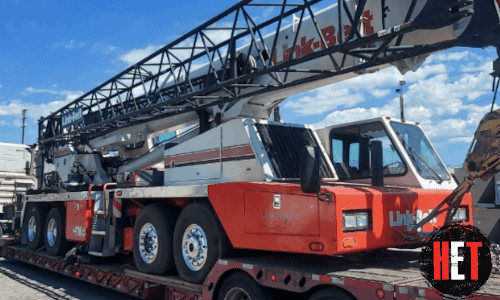
Choosing the Right Trailer for Heavy Equipment Hauling Is Essential
Choosing the right trailer for equipment hauling is necessary to ensure a hitch-free hauling. The right trailer provides the required load capacity, stability, and safety features for seamless transportation of oversize loads. On the other hand, a wrong trailer can lead to equipment damage, legal issues, and safety hazards.
We understand the benefit of choosing the right equipment to haul heavy machinery at Heavy Equipment Transport. We also have various trailers with different axle capacities, ensuring your valuable equipment is shipped safely and efficiently.

William Thomas
Heavy Transport Specialist
Being able to lead a team of such talented logistics agents has been a wonderful experience over the past ten years. If you would like to know anything more about the heavy equipment transport services we offer, don't hesitate to give us a call!