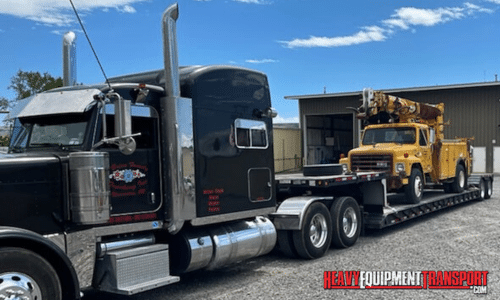
What is Crating Service in Equipment Transport?

What is Crating Service in Equipment Transport?

Heavy Equipment Transport Logo
Facebook
Twitter
LinkedIn

Crating service is in the supply chain to ensure proper packing and cushioning of sensitive earth-moving equipment and attachments. Experts in the shipping industry use the construction equipment guide to know the types of earth-moving machinery, attachments, or items to pack in crates.

Crating protects fragile, heavy, oversized machinery from dents, rust, and other damages. Wooden crate materials can be ideal for packing diverse earth-moving machinery. If you want to know more about the crating process for earth-moving equipment, you’re in the right place.

What Is Crating in Transport?

“Wooden crates are ideal for transporting heavy equipment, including earth-moving machinery.”

In transport, crating uses crates for packaging fragile or sensitive items, earth-moving equipment, attachments, or tools for shipping. Crating service in transporting earth-moving equipment is crucial because it requires finding or making crates that fit the machinery for safe transportation.

To ensure the equipment remains efficient in its earth-moving machinery uses, such as digging and excavating, experts use crate cushioning materials such as polyethylene foams to prevent damage from vibrations, shocks, and environmental factors during hauling. The cushioning products include air pillows for absorbing shock that maintains the shape and functionality of the equipment.

Below are common types of crates used in transporting earth-moving equipment.

  • Wooden crates are ideal for transporting heavy equipment, including earth-moving machinery. The wooden crates offer the best weather-proof protection that prevents your construction equipment from rust.
  •  
  • Metal crates, such as aluminum or steel, have great strength and sturdiness, making them fit for transporting delicate, diverse construction machinery.
  •  
  • Customized crates are among the best because they are made according to the specialized needs of the heavy and oversized equipment you want to ship.
  •  
  • Crating service companies check the construction equipment guide to know the specs and dimensions of the machinery to transport for easy customization of an ideal crate.
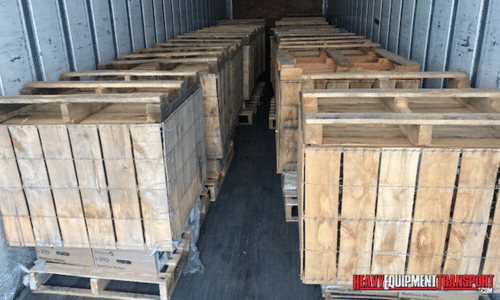
Crated material transport

Transport Your Crated Equipment Today

Heavy Equipment Transport is always available for a quote. Fill out the form or give us a call now! (888) 730-2951

When Should I Crate My Cargo?

Crating is the best packaging method because it protects heavy equipment from several weather conditions and external elements that can damage it. Crating service experts can recommend packing your earth-moving equipment in crates when weather conditions affect its functionality.

If transporting your construction equipment during winter for diverse earth-moving machinery uses such as ice removal, crating is necessary to prevent rusting. In addition, you should use a crate if your equipment is susceptible to damage when exposed to dirt, dust, diverse temperatures, or other external elements. Also, if the equipment type of earth moving equipment cannot fit in containers because of its odd shape, a customized crate can come in handy.
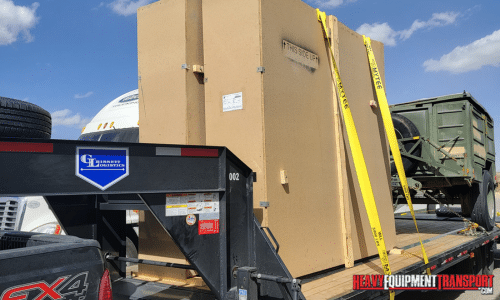
Shipping crated equipment

The Crating Process

Following the crating process will ensure your different types of earth-moving machinery get safely to their final destination in their original shape, quality, state, appearance, and functionality. Here is a step-by-step construction equipment guide to ensure maximum protection of your products during transportation.

  • Hire the best crating service and shipping company to pack the equipment.
  •  
  • Make a customized crate using the best materials, including wood or metal, bearing in mind the dimensions and load of the equipment.
  •  
  • Evaluate the crate to ensure it can handle the size and weight of your fragile equipment.
  •  
  • Consider the types and amount of cushioning when packing and crating the earth-moving machinery.
  •  
  • Cushioning, such as foam peanuts, styrofoam, and cardboard, prevents the equipment from dents or damage due to sliding and other shocks while in transit.
  •  
  • Professionals should drain fluids, secure attachments, disassemble some machinery parts, and pack the heavy equipment in the customized crate.
  •  
  • Place the cushioning material, such as air pillows and foams, for maximum equipment protection.
  •  
  • Seal or lock the crate using inner bolt locks to keep the items safe and intact before transportation.

How to Transport Crated Cargo

Transporting crated cargo requires hiring a reputable shipping company for the best hauling services. The experts from the company evaluate the crate or package, consider all safety requirements, and prepare paperwork for transportation. Next, they recommend efficient trailer trucks to haul the heavy crates to your destination.

The trailer they choose should handle the weight and dimensions of the machinery found in the construction equipment guide. Logistics experts provide route information for transporting earth-moving equipment.

Final Notes on Crating Cargo

Crating service is fundamental in transporting diverse types of earth-moving machinery for maximum protection against damages caused by shocks, collisions, weather changes, and vibrations during transportation.

The crating process requires an ideal crate that can accommodate the size, weight, and fragility of the construction equipment. Proper packaging ensures its efficiency in different earth-moving machinery uses after the long haul. Heavy Equipment Transport is your go-to company if you want to ship crated cargo.

William Thomas

William Thomas

Heavy Transport Specialist

Being able to lead a team of such talented logistics agents has been a wonderful experience over the past ten years. If you would like to know anything more about the heavy equipment transport services we offer, don't hesitate to give us a call!
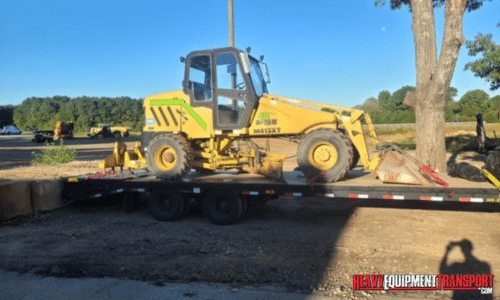
What is Considered Earth Moving Equipment

What is Considered "Earth Moving" Equipment

Heavy Equipment Transport Logo
Facebook
Twitter
LinkedIn

Earthmoving equipment is used for earthwork projects that affect the ground. Shipping earthmoving equipment, such as bulldozers or excavators, must be done by professionals.  Are you interested in learning more about the types of earthmoving machinery and their uses and types, as well as how to transport earthmoving equipment? Well, continue reading!

What Is Earthmoving Equipment

Earth moving equipment is heavy-duty machinery or vehicles used for different earthwork projects such as building and demolishing buildings, digging trenches, and constructing roads.

Earth moving equipment is heavy-duty machinery or vehicles used for different earthwork projects such as building and demolishing buildings, digging trenches, and constructing roads. Earthmoving machinery includes excavators, tractors, scrapers, and rippers, which can demolish unwanted buildings, level roads during roadwork, and dig trenches. They use construction equipment guides to learn the features, safety guidelines, uses, and specifications of commonly used earthmoving equipment.

Transporting a motor grader on a flatbed trailer.

Transport Your Earth-moving Equipment Today

Heavy Equipment Transport is always available for a quote. Fill out the form or give us a call now! (888) 730-2951

Types of Earthmoving Machinery

  1. Excavators
    Excavating equipment is commonly used earthwork machinery in construction sites. Excavators, which include dragline, suction, and crawler, perform different roles, such as removing heavy soil and rocks from a construction site. Some earthmoving machinery uses include mining, digging delicate places, landscaping, mixing materials, construction, debris cleanup, roadwork, excavation of concrete and asphalt, pile driving, and road excavations.

  2. Wheel loaders
    The wheel loader is among the many types of earthmoving machinery used for moving heavy materials, such as loads of dust, soil, or rocks, from one point or truck to another. A construction equipment guide shows that front-end or bucket loaders are best for digging, material handling, site preparation, and road building. In addition, the wheel loader can clean up sites, backfill, stockpile, lift, drill holes, or mix materials, depending on the attachments, including rippers, buckets, and augers.

  3. Dozers
    Dozers are heavy-duty machines with big front-mounted blades that push large amounts of dirt or rocks. They are also used as earthmoving machinery for leveling, drain cutting, lifting, towing, land cleanup, excavation, benching, and ripping.

  4. Backhoe Loader
    You can opt for the backhoe loader to perform a wide range of tasks because it is a jack of all trades. The machinery with numerous attachments is best for loading, excavating, mixing material, battering, benching, and landscaping. It can dig trenches, lift heavy loads, break rocks, and backfill. The equipment is also handy in demolishing small constructions.

  5. Track Loaders
    They are small and versatile earthmoving machinery, suitable for projects with tighter spaces. The vehicles have many applications, including breaking rocks, loading, material mixing, battering, site cleanup, benching, and excavating. They can also dig trenches and move materials from one place to another.
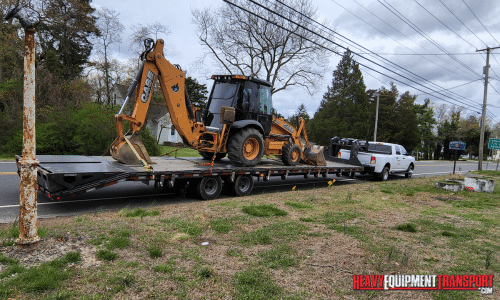
Shipping an excavator on a hot shot trailer.

Choosing the Right Machinery

Here are some aspects to consider when selecting the best earthmoving machinery for your projects:

  1. 1. Depending on the type of project you are working on, such as excavating, digging, backfilling, roadwork, or loading, you can use the construction equipment guide to learn how to use the most common earthmoving machinery.
  2.  
  3. 2. Know the ground surface and material to extract, such as concrete, sand, rocks, soil, or asphalt.
  4.  
  5. 3. Road conditions at the construction site will help you know if you should use wheeled or crawling machinery.
  6.  
  7. 4. The versatility of the equipment to continue functioning in case the weather changes in the construction site.
  8.  
  9. 5. The size and complexity of the project can also be a determining aspect of the right earthmoving machinery.
  10.  
  11. 6. Distance of transporting earthmoving equipment to the site.
  12.  
  13. 7. Condition and price of the equipment.

How to Safely Transport Earthmoving Equipment

Heavy Equipment Transport is one of the best hauling companies to call when you want earthmoving equipment for your construction site. Our years of experience and expertise lead to unmatched transportation services for heavy machinery, including earthmoving equipment. Call us to schedule an appointment.


Machinery or vehicles considered earthmoving equipment are used for construction or demolition tasks. There are many, including excavators, wheel loaders, and backhoe loaders. They are for loading, excavating, digging, and clearing up sites. Such earthmoving machinery needs proper transportation to ensure they get to your construction site safely and on time.

William Thomas

William Thomas

Heavy Transport Specialist

Being able to lead a team of such talented logistics agents has been a wonderful experience over the past ten years. If you would like to know anything more about the heavy equipment transport services we offer, don't hesitate to give us a call!
The Role of Technology in Modern Heavy Equipment Transport

The Role of Technology in Modern Heavy Equipment Transport

Heavy Equipment Transport Logo
Facebook
Twitter
LinkedIn

William Thomas / January 2021

Heavy equipment transport has been transformed by technological breakthroughs, which have replaced human muscle and simple tools with animal-drawn platforms and motorized vehicles. However, the sector witnessed a massive revolution with GPS tracking, automation, and sophisticated technology. These advancements have improved shipping efficiency, safety, and precision, transforming logistics. Heavy equipment transfer today entails streamlining the entire logistics process. In this blog article, we will look at the critical role of technology in modern heavy equipment transport and its far-reaching implications for the sector.

Connecting Heavy Equipment Shipping With The World

The heavy equipment transport sector has been substantially altered by technological innovation.

In the realm of heavy equipment transport, real-time data collection and processing are critical. They allow businesses to track and control shipments while on the go, ensuring seamless and efficient operations. It’s like watching a movie that catches every detail of your cargo rather than just a few photos. Consider the transformational power of 5G networks in this environment! 5G technology provides near-instant data transmission because of its high-speed and dependable connectivity. This means that transportation operations can run smoothly even in remote places. To summarize, 5G improves the mobility and reliability of transportation networks, pushing efficiency to new heights.

Transport Your Equipment Today

Heavy Equipment Transport is always available for a quote. Fill out the form or give us a call now! (888) 730-2951

Transporting skid steers

How Automation Works in Oversize Load Shipping

The emergence of self-driving equipment is an excellent example of the continued trend toward automation in heavy machinery transportation. These self-driving machines can work without human interference, resulting in significant increases in efficiency, precision, and safety. Automation in heavy equipment transport increases efficiency and production in a variety of ways:


• Increased Productivity: Unlike humans, autonomous robots can operate 24 hours a day, seven days a week. As a result, output is more consistent, and downtime is reduced.


• Increased accuracy and Accuracy: Automated equipment can accomplish jobs with greater accuracy and consistency than people, minimizing the likelihood of errors and rework.


• Cost-Effective Operations: Automated machines reduce labor-related expenses such as pay, training, and benefits. Furthermore, they can decrease operational costs by reducing waste and increasing utilization rates.


• Increased Safety: By taking over dangerous jobs, autonomous machines reduce the chance of workplace accidents, improving overall safety and lowering accident and injury expenses.

Enhanced Safety for Equipment Shipping

In dangerous settings, automation technology eliminates the need for human operators, protecting them from potential mishaps and injury. Here’s how it’s done:


Unmanned Operations: Automated machines conduct hazardous activities, reducing human exposure to risky situations.


Sensors: These identify anomalies, impediments, and environmental conditions, activating safety measures as needed.


Data Processing: Advanced algorithms analyze real-time sensor data to predict and mitigate threats.


Predictive Maintenance: Machine wear and tear is detected by technology, prompting maintenance and preventing faults.


Remote Monitoring: Operators can supervise automated operations from a safe distance, acting only when necessary.


Emergency Stop Mechanisms: Automated systems feature fail-safes that stop operations during an unexpected incident, increasing safety.

Real-Time Equipment Shipping Decision Making

Technology advancements have altered real-time decision-making for site managers and crews. Telematics systems enable real-time data for fast decision-making based on site conditions, staff availability, and equipment status, allowing seamless communication. This integration improves operating efficiency and safety while increasing productivity and eliminating hazards. Telematics has become an indispensable tool in the industry.

The Future of Heavy Equipment Transport

Emerging technologies like artificial intelligence (AI) and the Internet of Things (IoT) have enormous promise to transform the heavy equipment transport business. AI can improve route selection, while IoT allows for improved vehicle tracking, lowering fuel usage and increasing safety. However, these developments have disadvantages, such as cybersecurity issues and expensive implementation costs. The industry may overcome these obstacles and fully capitalize on the benefits of technological breakthroughs by implementing robust security measures and properly arranging technology investments.

The heavy equipment transport sector has been substantially altered by technological innovation. It has increased operational efficiency and safety. We should expect even more improvement with new technologies like AI and IoT. These tools will not only make things faster and safer, but they will also demonstrate how the industry is expanding. The future of heavy equipment transportation is dependent on fully using these improvements.

William Thomas

William Thomas

Heavy Transport Specialist

Being able to lead a team of such talented logistics agents has been a wonderful experience over the past ten years. If you would like to know anything more about the heavy equipment transport services we offer, don't hesitate to give us a call!
5 Tips for Dealing with Equipment Shipping Delays

5 Tips for Dealing with Equipment Shipping Delays

Heavy Equipment Transport Logo
Facebook
Twitter
LinkedIn

William Thomas / January 2021

While consumers expect timely and safe delivery, equipment shipping delays may arise due to challenging situations. However, Heavy Equipment Transport has over a decade of experience shipping super heavy and oversized loads with safe and timely deliveries.

We understand that timely delivery is paramount to any business operation, and your wide and super heavy load is a significant investment. We have a dedicated team of logistics experts who ensure your shipment is dispatched on time to avoid delays. Our experts have also established ways of avoiding equipment transport delays.

What Causes Equipment Shipping Delays?

In the oversized and heavy-load transport industry, avoiding equipment shipping delays requires effective management of the hauling process to meet client needs and expectations.

In today’s fast-moving world of quick equipment delivery services, clients and other people expect timely arrival of their goods or cargo. Many heavy and wide load transport companies like Heavy Equipment Transport work around the clock to ensure no shipping delays for your equipment.

However, delays may arise because of some factors and situations. Equipment shipping delays can also adversely affect your company’s reputation, breaking clients’ trust in your service delivery solutions. While all super heavy and oversized shipping experts work to avoid late shipment, delays are sometimes unavoidable.

Some common causes of delays include:

  • Weather Conditions

While many heavy-load shipping companies monitor weather conditions, some situations, such as unanticipated rain storms, are unavoidable. These leave the roads wet or slippery, like during the snow season, causing delays as drivers slow down for safety.

  • Holidays

There’s a massive spike during holidays, especially in eCommerce, with increased shipment volumes and order placements. This can easily overwhelm the transport service provider, leading to delays.

  • Supply Chain

Delays caused by the supply chain process are usually due to a lack of processing capacity, especially during holidays.

  • Global Events

A slow global supply chain will affect your company’s supply chain from issues such as lack of access to raw materials, labor, and finished products that lead to delivery delays.

Shipping a Cat Dozer.

Transport Your Equipment Today!

Heavy Equipment Transport is always available for a quote. Fill out the form or give us a call now! (888) 730-2951

How Can You Avoid Oversize Load Hauling Delays?

In the oversized and heavy-load transport industry, avoiding equipment shipping delays requires effective management of the hauling process to meet client needs and expectations. Maintaining transparency and minimizing disruptions is essential for timely deliveries. Here are five tips on what to do to avoid equipment transport delays.

  1. Shipment Tracking

Adopt a hauling system that allows you and your client to track real-time information on the shipment, which can prevent the frustration and anxiety that come from delays.

  1. Plan and Schedule Equipment Shipments in Advance

As an expert company, you need to know the periods when delivery orders spike. Plan and schedule deliveries in advance to avoid delays, especially during holidays.

  1. Set Realistic Minimum and Maximum Equipment Delivery Times

Take time to consider the loading process, the oversized load dimensions, weight, and capacity, your fleet of hauling trailers, and other external factors such as acquiring permits. This information determines a realistic delivery time for the client’s equipment.

  1. Avoid Traffic Delays With Proper Route Planning

Traffic hold up is a crucial cause of equipment shipping delays. Route planning helps you map out an efficient way with minimal traffic blocks and holdups, allowing for safe and timely delivery of the loads.

  1. Conduct Regular Quality Checks

Regardless of your optimized operation that delivers safe and timely services for client shipments, ensure you have regular quality checks to ensure your shipping process is always streamlined. This includes performing quality checks on your fleet of trailers and keeping the drivers updated on the latest shipping models.

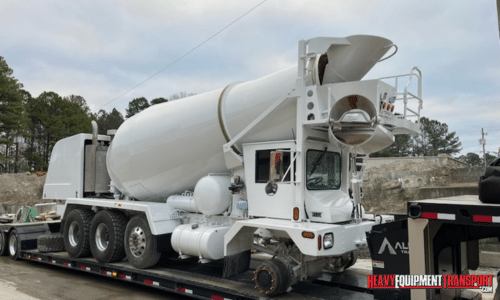
Transporting a Concrete Mixer.

What to Do If Your Equipment Load Is Delayed

Despite streamlined processes and operations, shipping delays will still occur with wide and heavy loads. Knowing what to do if your equipment is delivered late is essential. This will help coordinate and get the correct response from the involved parties to avoid future delays. Here’s what to do when your shipment is delayed.

• Communicate with the shipping company.

• Review or refer to the agreements and contracts to understand conditions related to delays.

• Establish a contingency plan to prevent work schedule and operation delays

• Work closely with the transporter to find a solution.

• Make detailed documentation of the delay and any additional costs incurred

• Notify other equipment or heavy-load stakeholders.

• Where possible, adjust project timelines.

While equipment shipping delays may occur, Heavy Equipment Transport experts are dedicated and follow a core mission of ensuring your super heavy and oversized equipment transport arrives on time and safely.

William Thomas

William Thomas

Heavy Transport Specialist

Being able to lead a team of such talented logistics agents has been a wonderful experience over the past ten years. If you would like to know anything more about the heavy equipment transport services we offer, don't hesitate to give us a call!
How to Choose the Right Equipment Trailer

How to Choose the Right Equipment Trailer

Heavy Equipment Transport Logo
Facebook
Twitter
LinkedIn

William Thomas / January 2021

Trailers are indispensable utility vehicles for hauling heavy and oversized loads. With many trailer types available, choosing the right one for your business operations or to ship your freight can be confusing. But what should you look for when looking for the best trailer? Read on to learn more about the details of determining the correct type of trailer for your equipment transport, the most common trailers for oversize load shipping, and the benefits of choosing the right trailer for equipment hauling.

Choosing The Right Trailer To Transport Your Heavy Equipment

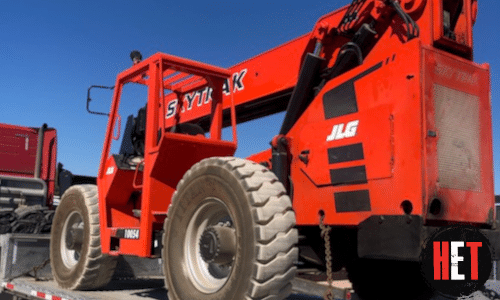
Transporting a 2016 JLG Sky Trak 10054 Telehandler

“The right trailer provides the required load capacity, stability, and safety features for seamless transportation of oversize loads.”

Trailers come in different types, each serving specific purposes. For instance, a trailer that ships liquefied loads differs from one that hauls heavy equipment like a combine. Here are key factors that determine the kind of trailer for equipment transport:

Load Capacity

Before choosing a trailer for your equipment:

  1. 1. Determine the maximum weight your trailer can carry.
  2. 2. Determine the weight of items you will be hauling and ensure the type of trailer you choose can transport them comfortably.
  3. 3. Check the weight restrictions on your towing equipment to avoid exceeding the maximum weight limit.

Trailer Size

Trailers come in different sizes. Before hauling your equipment, consider its dimensions and determine the best trailer.

Determine your Needs

Before purchasing a utility trailer, determine your needs to make more informed decisions. Start by identifying the primary purpose of your trailer and consider how often you will use it. For instance, a trailer used to ship construction materials differs from the one you can use to ship carnival equipment like amusement rides.

Deck Material

Equipment trailers come in different decks, including wooden and steel decks, and each has advantages. So, you choose one that aligns with your load capacity and durability needs.

Hitch Type

When choosing a trailer to haul your equipment, choose a hitch that matches your towing truck. For instance, if you are looking for a hitch type that offers stability for oversized and heavy loads, then RGN hitches are the best options. Bumper hitches are best suited for smaller equipment.

Quality

When buying a heavy equipment trailer, you should consider one of top quality to maximize efficiency. It would help if you researched more about different trailer manufacturers or providers to get the best quality trailer with heavy load-bearing capacity.

Transport Your Heavy Equipment Today

Heavy Equipment Transport is always available for a quote. Fill out the form or give us a call now! (888) 730-2951

What Are The Most Common Types Of Trailers for Oversize Load Shipping

Heavy-duty equipment trailers are used in industries, including manufacturing facilities, construction sites, and distribution centers. These trailers are categorized according to axle category, which includes 5, 6, 7, 8, 10, 13, and 19. Trailers with higher axle capacity can carry more load.

These trailers include:

Standard Flatbed Trailer

Standard flatbed trailers are common types of oversized load shipping trailers that carry heavy loads weighing up to 48,000 pounds and as long as 48 to 53 feet, depending on the length of the trailer. These trailers can be 48′ to 53′, depending on the trailer’s capacity, allowing them to carry equipment.

Step-Deck Trailer

Step-deck trailers are the same as flatbed trailers except that they have two deck heights. These are among the most popular trailers. The overall deck’s length is 43 to 53 feet, with the upper deck being 11 feet long and the lower deck measuring 37 to 41 feet.

Flatbed Spread Axle Trailer

A flatbed spread axle trailer is similar to a standard flatbed trailer, except they have different rear axles. These trailers have single axles spread apart at a more considerable distance than a standard flatbed with tandem axles.

Lowboy Trailer

Lowboy is a specially designed trailer to move overweight and over-height goods. These trailers are very close to the ground compared to other trailer types. They are mostly preferred for transporting tall machinery weighing between 40,000 and 80,000 pounds.

Other Types of Equipment Trailers

Other equipment trailers include:

  • • Drop Deck Trailer
  • • Landoll Trailer
  • • Conestoga Trailer
  • • Removable Goose Neck (RGN) Trailer
  • • Stretch Removable Gooseneck Trailer
  • • Extendable Drop-Deck Trailer
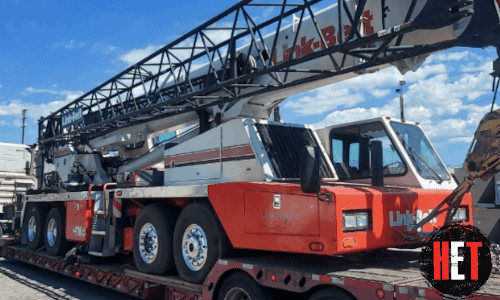
Transporting a crane on a lowboy trailer

Choosing the Right Trailer for Heavy Equipment Hauling Is Essential

Choosing the right trailer for equipment hauling is necessary to ensure a hitch-free hauling. The right trailer provides the required load capacity, stability, and safety features for seamless transportation of oversize loads. On the other hand, a wrong trailer can lead to equipment damage, legal issues, and safety hazards.

We understand the benefit of choosing the right equipment to haul heavy machinery at Heavy Equipment Transport. We also have various trailers with different axle capacities, ensuring your valuable equipment is shipped safely and efficiently.

William Thomas

William Thomas

Heavy Transport Specialist

Being able to lead a team of such talented logistics agents has been a wonderful experience over the past ten years. If you would like to know anything more about the heavy equipment transport services we offer, don't hesitate to give us a call!
4 Equipment Transport Trends for 2024

4 Equipment Transport Trends for 2024

Heavy Equipment Transport Logo
Facebook
Twitter
LinkedIn

William Thomas / January 2024

As we move into 2024, the transport industry is going through a period where it must be innovative and dependable! In 2023, the machinery and heavy equipment transportation sector experienced a change in speed never seen before.

This blog will focus on what major events occurred in the past and try to uncover visual clues about where heavy machinery transportation is headed over the coming months. It’s worth checking whether you’re at the top of this field or a novice.


A Recap of Heavy Equipment Shipping in 2023

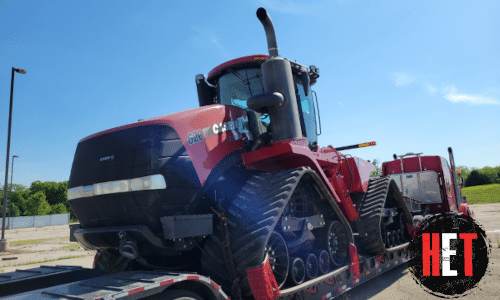
Case IH 620 Quadrac Tractor loaded for transport.

“The industry has seen increasing demand for transporting oversized loads such as heavy construction machines and other woods, but normal ones too.”

Before we set our sights on 2024, we must review what happened in the equipment hauling sector last year. In 2023, the industry has seen increasing demand for oversize loads such as heavy construction machines, other woods, and normal ones.

The growth of industrial sectors and rising demand for better equipment means a need to transport heavy machinery even further. This year, the hauling companies’ services brought more freight across America’s highways.

In addition to automobiles, they hauled all manner, from mobile homes that are 12 feet wide and 75 feet long, just above legal limits for width on highways, to a single, wingless fighter plane encompassed within four semi-trailers.

.

Key Highlights of 2023:

  • • Technology Integration: Using new tools like GPS and live watching changed; this made sending things faster and also kept costly items safe.
  • • Sustainability Initiatives: Today, many businesses are focusing more on the environment and using green practices. Many companies are changing their extensive equipment, moving fleets to electric or mixed models.
  • • Regulatory Challenges: Dealing with rules, especially for oversize loads, was still a significant problem. Businesses had to change fast with new regulations and standards so their supply chain didn’t get messed up.


Transport Your Equipment Today

Heavy Equipment Transport is always available for a quote. Fill out the form or give us a call now! (888) 730-2951

What To Expect From The Heavy Equipment Shipping Industry in 2024

Now, let’s discuss the future and what might change in 2024. Let’s examine what will happen in the area of moving equipment:

  • • AI and Automation Integration: Transporting equipment will soon become much easier due to the introduction of AI and automation technology. Predictive analytics can help improve route planning by minimizing delays and increasing fuel efficiency. Incorporating an automated loading and unloading system and autonomous vehicles will serve as an excellent basis for decreasing operational costs and increasing efficiency.
  • • Digitalization of Documentation: No more tedious paperwork for you. Digitalization will bring a massive change in the documentation field.
  • • Advanced Safety Measures: Advanced safety technologies are predicted to be more commonly implemented in 2024 to prioritize safety. These technologies provide cargo protection as well as improve overall safety during transportation.
  • • Sustainable Energy Adoption: The push for being environmentally friendly is growing stronger. By 2024, using other fuels and electric cars for transportation will become more popular.
  •  
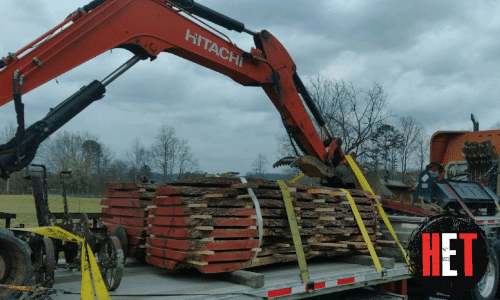
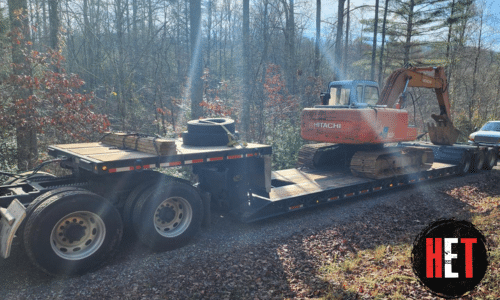
Hitachi excavator loaded for transport

Finding a Reliable Heavy Equipment Shipping Company

Selecting a proper equipment hauling company in the quick-moving industry is critical. As you prepare to navigate the intricacies of 2024, consider the following factors when choosing a partner:

  • • Experience and Expertise: Can you suggest a corporation with a history of shipping different types of goods? That experience is vital when dealing with large shipments and complex transportation.
  • • Technology Integration: Choose a business that is tech-friendly. Using technology in transportation ensures transparency and efficiency throughout the process, making it more convenient and efficient for all involved. This includes GPS tracking and digital documentation.
  • • Compliance and Safety: Ensure the company follows the rules and standards so everyone is safe.
  • • Environmental Initiatives: Inquire about their efforts to adopt eco-friendly practices and reduce carbon emissions.
  • • Customer Reviews and References: Exploring customer feedback and searching for recommendations is essential before agreeing. A business needs to have a good reputation and show its client base.
  • • Insurance: Verify the extent of insurance coverage for your equipment during transit, safeguarding against unforeseen events.
  •  

Reliable Heavy Machinery Transport

The truck-moving business is ready for change. The following year will be filled with surprises and considerable progress because of technology, dedication to saving the environment, and our ongoing work on fixing issues. When you ship equipment with a trustworthy partner, you can rest assured that everything will go smoothly. Therefore, here’s to a year of innovation and success in our field!


Heavy Equipment Transport provides transportation solutions for heavy machinery and machines. If you need a reliable equipment shipping company, call us.

William Thomas

William Thomas

Heavy Transport Specialist

Being able to lead a team of such talented logistics agents has been a wonderful experience over the past ten years. If you would like to know anything more about the heavy equipment transport services we offer, don't hesitate to give us a call!
Understanding the Costs of Heavy Equipment Hauling Rates | Heavy Equipment Transport

Understanding the Costs of Heavy Equipment Shipping: Factors That Influence Pricing

Heavy Equipment Transport Logo
Facebook
Twitter
LinkedIn

Updated October 20, 2025

Shipping heavy equipment is essential in numerous industries, including: 

  • • Construction
  • • Mining
  • • Agriculture
  • • Manufacturing
  • • And other industries.

These companies rely on being able to move essential equipment from location to location or job site to storage. 

Transporting heavy and oversize loads requires cautious planning, a focus on safety, and, ensuring you’ve got an accurate and reliable shipping quote. One without any hidden fees.

You need a price that holds and a delivery window you can plan around. We keep equipment shipping cost clear by focusing on the basics:

  • • Weight
  • • Dimensions
  • • Route
  • • Permits
  • • Trailer type
  • • Timing

This blog delves into the complexities of heavy equipment hauling rates to provide a clearer perspective for anyone navigating this complex terrain and to help you understand how much you might need to budget for.

Hitachi EX100-5 Excavator loaded on a lowboy trailer for transport

General Equipment Hauling Rates

Equipment hauling rates aren’t one-size-fits-all. They rise and fall based on market conditions, your specs, and the route. In simple terms, short hauls usually cost more per mile. Longer lanes spread fixed costs and trend lower per mile. The total equipment shipping cost still depends on the job in front of us.

Rates start with linehaul and build from there. We add fuel, permits, escorts, and any load assistance. That structure makes your cost to ship heavy equipment transparent and easier to compare.

When it comes to this type of equipment, it isn’t just about how far you need to transport the equipment. It’s also the type of transport trailer you use.

Trailer TypeCost Per Mile
Flatbed, Stepdeck, Dry Van Trailers$3.00 – $3.50
RGN and Lowboy Trailers$3.50 – $4.00
Hot Shot Trailers$2.00 – $2.50

It’s important to note that per mile rates begin at about 300 miles. Anything less than that will get a “day rate” which varies.

Again, this chart is just for standard equipment. That means it falls into the standard transport guidelines. Anything that becomes an oversize load, whether it’s overweight, overheight, or overlength, incurs additional costs. 

For instance, an RGN with more axles to carry an overweight load, costs more than the standard $3.50 to $4.00 per mile. 

Remember, this is just an average. The best way to get an accurate shipping quote for your equipment is to speak with a Heavy Equipment Transport specialist today. (888) 260-1649

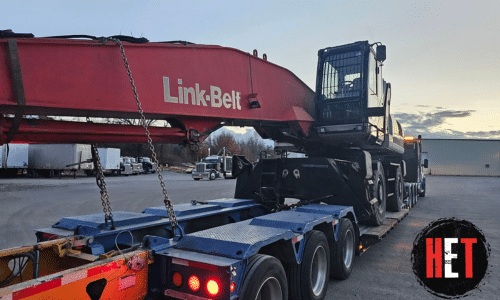
LinkBelt 360 Material Handler loaded for transport

Factors That Influence the Cost of Heavy Equipment Hauling

“When you speak with a Heavy Equipment Transport specialist, they’ll provide you with everything you need for an accurate quote and will let you know what you can do to reduce costs.”

Fuel Prices

Diesel swings impact the linehaul through a fuel surcharge. We tie that line to published diesel averages, so you see how fuel moves the final rate.

Specialized Permits/Regulations

Oversize and overweight loads need permits that vary by state. Thresholds for width, height, axle weights, and travel hours affect routing and cost. We pull permits and plan the route before wheels move.

Insurance

High-value assets may require higher cargo limits. We provide certificates on request and align coverage with your risk requirements.

Seasonality

Construction season and harvest push demand. Winter storms can slow certain lanes. Booking early helps protect your timeline and price during peak periods.

Pilot Cars if Necessary

Some dimensions trigger escorts. Your quote will show the number of pilot cars, where they’re needed, and how they affect timing.

Load Assistance if Necessary

Cranes, forklifts, ramps, and rigging crews can be part of the plan. We’ll spell out what’s needed at loadout and unload so there are no surprises on site.

Transport Your Heavy Equipment Today

Heavy Equipment Transport is always available for a quote. Fill out the form or give us a call now! (888) 730-2951

Red Flags in Equipment Transport Quotes

We see most problems start with unclear quotes. Watch for these common issues and push for straight answers.

  • Vague or missing cost breakdown. No clear linehaul, fuel, permits, escorts, or load support.
  • Unusually low or high pricing. Outliers often mean missed details or shaky capacity.
  • No mention of permits or escorts. Oversize loads need them, so a missing line suggests guesswork.
  • No clear timeline or delivery window. You need a realistic range based on driver hours and state rules.
  • Missing carrier or insurance information. Ask for USDOT/MC and a current certificate of insurance.
  • • Lack of written confirmation. Get specs, rate, and terms in writing.
  •  • No dedicated point of contact. One rep should own your load from quote to delivery.
  •  • No mention of equipment type or load specifics. Quote should match your machine, dimensions, weight, and trailer plan.
  • Poor responsiveness or evasive answers.Slow or vague replies now mean trouble later.
  •  • Request for full payment up front. Normal practice uses deposits or on-delivery terms by agreement.

A clean, itemized quote saves time and makes comparisons simple.

Ways to Reduce Your Equipment Transport Costs

You can lower spend without risking schedule or safety. Here are practical ways on how to reduce equipment shipping costs.

  • Plan ahead: More lead time opens better routing, capacity, and pricing.
  • Compare carriers: Ask for itemized quotes so you compare apples to apples.
  • •  Disassemble equipment: Bring height or width within legal limits to avoid permits and escorts where possible.
  • Consolidate: Combine units or plan backhauls to spread mobilization costs.
  • Shipment methods: Choose the trailer that fits your dimensions without overbuying capacity.
  •  

When you speak with a Heavy Equipment Transport specialist, they’ll provide you with everything you need for an accurate quote and will let you know what you can do to reduce costs.

How to Choose an Equipment Hauling Partner

Price matters, but execution carries the day.

  • Ask for multiple written quotes based on the same specs.
  • Verify DOT/MC authority and insurance.
  • Confirm permit and escort experience on similar lanes.
  • Request the trailer plan, deck height, and axle layout.
  • Require one point of contact with an agreed update schedule.

For oversize work, see our oversized load transport solutions. For containers, our container moving services cover drayage, lifts, and inland legs.

Choosing Heavy Equipment Transport as Your Shipping Partner

We make complex moves feel straightforward. You get a dedicated rep, itemized pricing, and route and permit planning handled from day one. We coordinate pilot cars, load assistance, and site access. We cover your lanes in all regions and keep you updated without phone tag.

Ready to price your next move? Use our form to get a fast estimate, or contact our team. Call 888-264-5276 if you want to book now.

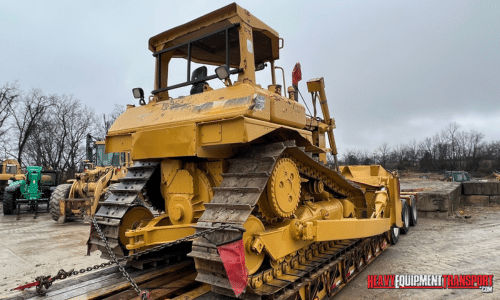
Caterpillar D7G Plow

Equipment Shipping Cost FAQ

  1. 1. How are heavy equipment shipping costs calculated?

Miles times a per-mile linehaul, plus fuel surcharge, permits, escorts if needed, insurance, and any load support like cranes or forklifts.

  1. 2. What factors can cause my transport quote to change?
    Updated dimensions or weight, route changes, weather detours, schedule shifts, or added load assistance.

  2. 3. Does Heavy Equipment Transport handle permits and route planning?
    Yes. We pull permits, plan routes, and schedule escorts before pickup.

  3. 4. How far in advance should I schedule my equipment shipment?

A few weeks is smart in peak seasons. Off-peak moves can be faster. Share your dates, and we’ll advise.

  1. 5. What’s included in a Heavy Equipment Transport quote?

An itemized breakdown. Linehaul, fuel, permits, escorts, insurance terms, trailer plan, and pickup and delivery windows.

William Thomas

William Thomas

Heavy Transport Specialist

Being able to lead a team of such talented logistics agents has been a wonderful experience over the past ten years. If you would like to know anything more about the heavy equipment transport services we offer, don't hesitate to give us a call!
Safety Protocols in Heavy Equipment Shipping

Safety Protocols in Heavy Equipment Shipping

Heavy Equipment Transport Logo
Facebook
Twitter
LinkedIn

William Thomas / January 2021

It is critical to ensure safety while shipping heavy equipment. It is about more than just safeguarding precious machinery; it is also about protecting human lives. Mishandling heavy machinery has serious hazards, ranging from financial losses due to damage to severe personal harm or even death. This emphasizes the crucial importance of strict safety standards. These standards serve as a shield, safeguarding both people and equipment and are required for a safe and effective operation. The seriousness of these threats emphasizes the non-negotiable imperative of following safety regulations in heavy equipment shipment.

The Importance of Proper Heavy Equipment Inspection

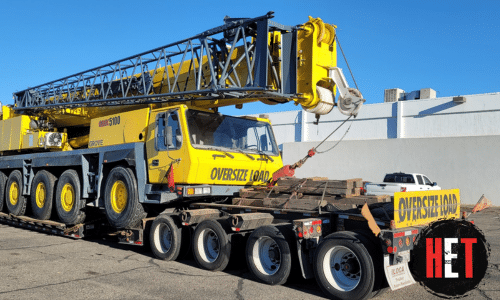
2015 Grove GMK 5100 Crane Truck loaded for transport

“These proactive measures ensure heavy equipment’s safe and efficient movement, reducing downtime, mitigating potential damage, and, most importantly, safeguarding the operators’ and bystanders’ lives.”

Pre-shipment checks are an essential part of guaranteeing heavy equipment shipping safety. They act as an early warning system, detecting possible difficulties before they become significant issues. Inspections cover a wide range of topics, including:
• Checking tire conditions for adequate inflation and wear

• Ensuring lights and brakes are working properly

• Validating the correct weight distribution.

• Confirming the integrity of tie-down points.

This methodical inspection helps to eliminate mishaps, resulting in a safer and more effective heavy equipment transportation process. As a result, these checks are crucial in limiting the dangers connected with heavy equipment shipping.

Transport Your Heavy Equipment Today

Heavy Equipment Transport is always available for a quote. Fill out the form or give us a call now! (888) 730-2951

Understanding The Weight and Size Restrictions of Heavy Equipment Shipping

Heavy loads are classified by weight and size under federal laws, with distinct categories requiring special transportation needs. Because of the potential for damage to road infrastructure or traffic hazards, oversized or overweight equipment frequently necessitates special handling, supplementary permits, and unique vehicle configurations. Large loads, for example, may exceed lane widths, causing traffic congestion, while overweight equipment can damage roads and bridges.

Understanding these classifications and following federal rules is therefore critical in heavy equipment shipping, assuring safety and efficiency while avoiding potential legal consequences and infrastructure damage.

Choosing The Right Trailer to Transport your Heavy Equipment

Choosing the right trailer type for heavy equipment transportation is critical to ensure safe and practical transport. RGN, Step Deck, Double Drop, Flatbed, and Stretch Trailer trailers have unique characteristics and capacities to carry equipment of varying sizes, shapes, and weights.
Matching the trailer to the specifications of the equipment aids in:

• Preventing potential damage during travel

• Increasing load stability

• Promoting compliance with regulatory weight and dimension limits.

This cautious selection assists in limiting transportation risks and optimizing shipping efficiency and thus plays an integral part in the overall success of heavy equipment shipment.

Securing and Protecting Your Equipment in Transport

Heavy equipment must be appropriately secured during transportation to ensure safety. Appropriate securing mechanisms, such as chains, booms, or straps, minimize unwanted movement, lowering the danger of damage or accidents. Furthermore, safeguarding vulnerable portions of the equipment, such as glass components or delicate machinery, is critical to avoiding damage during transit. These safeguards assure regulatory compliance, quick loading and unloading, and the integrity and operating readiness of the equipment.

Adhering to Rules and Regulations When Transporting Heavy Equipment

Heavy equipment transportation needs strict adherence to several federal, state, and local restrictions. These rules, which can differ significantly between locations, govern load size, weight, and transit times.

Noncompliance could result in:

• Severe penalties

• Delays in delivery timeframes

• Damage to one’s reputation

Before transportation, it is critical to obtain the proper permissions, as these validate the legality of the equipment’s size, weight, and route. Compliance with these regulations and licenses ensures a seamless transportation procedure and upholds safety standards, protecting all road users and the transported equipment.

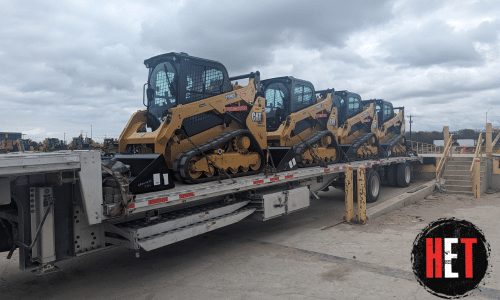
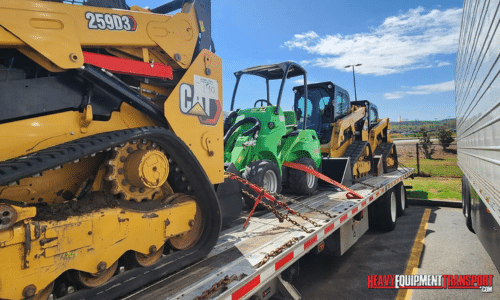
4 Cat 259 Skid Steers loaded for transport

Training and Expertise for Heavy Equipment Transportation

Trained operators are essential for the safe transfer of heavy machinery. Their knowledge prevents damage and ensures on-time delivery. Continuous training and adherence to safety protocols are necessary for operators since:

• Regular training keeps operators up to date on the newest safety regulations and equipment handling techniques, assuring optimal performance and safety

• Up-to-date knowledge assists operators in adhering to changing regulatory criteria and avoiding legal problems.

• Ongoing training improves operator efficiency and lowers the likelihood of accidents, resulting in a safer workplace.

Route Planning for Heavy Equipment Shipping

Planning routes for heavy equipment transportation in advance is beneficial, especially when crossing state or foreign borders. This is due to the following reasons:

• It enables operators to foresee and prevent potential hazards, assuring the safety of the operators and the equipment.

• Foresight is required to navigate the various terrains and weather situations when crossing borders.

• It can assist in avoiding legal difficulties by bypassing regions with tight transportation rules.

• Facilitates on-time customs clearance by choosing routes with fewer logistical constraints.

Preparing for Emergencies When Transporting Heavy Equipment

In the transportation of heavy equipment, emergency planning is critical. It entails developing a comprehensive response strategy, training operators in first aid and crisis management, and outfitting trucks with emergency equipment. A well-thought-out contingency plan lowers downtime, mitigates potential harm, and assures the safety of operators and spectators. In this high-risk industry, it also maintains company continuity. Remember that being prepared is preferable to being caught off guard.

Ensured safety during heavy equipment transportation is a shared duty of all stakeholders. This includes performing extensive equipment inspections, giving obligatory safety training for operators, pre-planning routes to avoid potential hazards, and implementing complete emergency preparedness measures. These proactive measures ensure heavy equipment’s safe and efficient movement, reducing downtime, mitigating potential damage, and, most importantly, safeguarding the operators’ and bystanders’ lives. Safety must be prioritized at all stages of the transportation operation.

William Thomas

William Thomas

Heavy Transport Specialist

Being able to lead a team of such talented logistics agents has been a wonderful experience over the past ten years. If you would like to know anything more about the heavy equipment transport services we offer, don't hesitate to give us a call!
The Challenges and Solutions of Transporting Oversize Loads

The Challenges and Solutions of Transporting Oversize Loads

Heavy Equipment Transport Logo
Facebook
Twitter
LinkedIn

William Thomas / January 2021

Oversized load transportation is a challenging undertaking that requires careful planning and execution. These cargoes face special difficulties due to their enormous size and weight, including logistical difficulties and legal restrictions that may have a substantial impact on the effectiveness of transportation. To ensure a delivery that is secure, on schedule, and reasonably priced, it is essential to comprehend these obstacles. This blog offers a thorough examination of these issues, illuminating the solutions that can make these onerous chores approachable.

Brief Definition of Oversized/Overweight Loads

Oversized or overweight loads are those that are heavier or bigger than the permitted legal limitations for road transportation. A cargo is considered as “oversized” if:
• Its wider than 8.6 feet
• Height than 13.6 feet
• Longer over 48 to 53 feet
The maximum weight varies by location depending on infrastructure, although a load is typically considered “overweight” if it weighs more than 80,000 pounds. These loads frequently consist of massive cars, industrial boilers, wind turbine blades, cranes and excavators, heavy machinery, and modular homes.

Transport Your Oversize Load Today

Heavy Equipment Transport is always available for a quote. Fill out the form or give us a call now! (888) 730-2951

Infrastructure Limitations

Transporting big weights is significantly hampered by infrastructure features like congested tunnels, low bridges, and narrow highways. Heavy freight must be maneuvered through these confines carefully to avoid delays, damage, and even accidents. Consequently, thorough route planning is essential. It entails anticipating probable roadblocks and locating detours or workarounds. By doing this, it not only assures the load’s safety and integrity but also helps the transport process run more smoothly overall by preventing unforeseen obstacles and expensive setbacks.

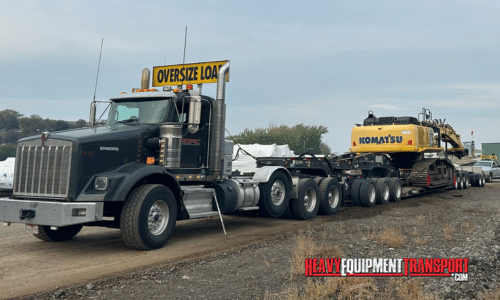
2014 Komatsu PC390LL-10 Log Loader loaded for transport

Legal and Regulatory Requirements

Obtaining special licenses is always required when transporting big cargoes because they confirm the transit’s legality and safety. These licenses contain special requirements like:
• Travel times
• Escorted cars
• Signage
States’ or nations’ regulatory requirements vary greatly, complicating the process of obtaining permits. Therefore, it is essential to abide by the particular rules of each jurisdiction to prevent legal ramifications and guarantee a smooth transit process. In summary, a key component of transporting big loads is understanding and adhering to these varied regulatory regimes.

Equipment and Handling Challenges

In order to handle huge loads, you need:
• Specialized machinery like trailers and cranes that can handle large dimensions and heavy weights. These devices are necessary to protect the cargo’s integrity and guarantee safe transit.
• The availability of knowledgeable experts who can handle such equipment with ease. Their knowledge and experience can greatly lower the possibility of damage occurring during transit, ensuring the load is safe and undamaged.
In essence, the successful delivery of big freight relies on a mix of specialized machinery and knowledgeable operators.

Costs of Oversize Load Transport

A number of contributing factors can cause the cost of moving big cargoes to vary significantly. They include:
• fuel prices which fluctuate dependent on market conditions and can considerably effect the entire expense,
• Tolls also raise the price because it is common for big cargo to be transported across toll bridges and roads.
• Employing escort services, which are frequently required for safety reasons, may increase expenditures. These escorts direct the transport vehicles, assisting in the prevention of accidents and guaranteeing adherence to traffic laws. Therefore, when planning a budget for the transport of big loads, these factors must be taken into account.

Safety Concerns

Oversized cargo transportation involves significant dangers. A lack of visibility may jeopardize road safety, improper handling may result in equipment failure, and incorrectly estimated dimensions may result in infrastructure damage. Precise planning and route selection are essential to reducing these hazards. This involves:
• A detailed evaluation of the infrastructure’s size and the state of the roads.
• Hazards can be reduced by deploying escort vehicles and qualified handling personnel for safe maneuvering.
• The safety of the cargo, the crew, and the general public is also supported by regular maintenance inspections of the transportation equipment and adherence to transportation rules.

Role of Technology

Technology is essential to the transportation of big loads.
• Accurate route planning is made possible by modern GPS systems, which help to avoid highways unfit for carrying huge loads and guarantee that the safest, most direct route is adopted.
• Continuous monitoring of the cargo is possible thanks to real-time tracking technology, increasing accountability and transparency.

All parties involved can instantly exchange information thanks to communication technology, which facilitate flawless collaboration. Additionally, process efficiency has increased thanks to innovations like automated load-detection systems and IoT-integrated transport management, which have streamlined the process and reduced human error. The transportation of enormous items has undergone a genuine revolution because to these technological developments.

Remedy and Ideal Techniques

Careful planning, using technology, and working with transportation authorities are some methods for overcoming obstacles in the transfer of big cargo.
A prime example is the 2012 movement of the Space Shuttle Endeavour through Los Angeles, which was made possible thanks to meticulous preparation, close coordination with local authorities, and the deployment of self-propelled modular transporters (SPMTs). These instances highlight the value of thorough systems for handling the delivery of big loads.

Significant logistical, safety, and regulatory hurdles must be overcome when transporting big items. These challenges may be overcame, though, with careful preparation, efficient collaboration, and the use of the right resources. Modern technology use makes a big contribution to improving productivity and lowering human error. Successful case studies that emphasize the significance of these tactics include the transfer of the 400-ton generator and the Space Shuttle Endeavour. Adopting these best practices will be essential for profitable and effective big cargo transit as the transportation sector continues to develop.

William Thomas

William Thomas

Heavy Transport Specialist

Being able to lead a team of such talented logistics agents has been a wonderful experience over the past ten years. If you would like to know anything more about the heavy equipment transport services we offer, don't hesitate to give us a call!
A Comprehensive Guide to Heavy Duty Truck Transport

A Comprehensive Guide to Heavy Duty Truck Transport

Heavy Equipment Transport Logo
Facebook
Twitter
LinkedIn

William Thomas / January 2021


In sectors like construction and logistics, heavy-duty truck transportation is essential. These enormous vehicles are essential for transporting huge loads across cities, states, and nations. For economies to flourish, they must run smoothly. However, moving these enormous objects is a difficult undertaking that calls for thorough preparation. For those interested in or working in the industry, we give a thorough overview of heavy-duty truck transportation in this manual.

1. Types of Heavy Duty Trucks

  • Conventional Trucks: These are your standard long-distance traveling partners. They are adaptable, can carry a variety of loads, and are affordable.
  • Trucks with flat beds: They are ideal for loads with unusual shapes that don’t fit in conventional trailers. However, keep in mind that because of their area of expertise, they can raise your charges.
  • Lowboy trucks: Which are made to transport extremely big loads, are the unsung heroes of the construction sector. They work well for large equipment but can be somewhat expensive.
  • Refrigerated trucks: They are essential for transporting perishable commodities. Although these trucks are essential for moving food, their increased operating expenses are brought on by refrigeration.
    Knowing the various truck kinds can help you select the best one for a particular cargo, reduce expenses, and ensure efficient and safe delivery.
heavy duty truck loaded for transport

Transport Your Heavy Duty Truck Today

Heavy Equipment Transport is always available for a quote. Fill out the form or give us a call now! (888) 730-2951

2. Choosing the Right Transportation Method

If you need to move heavy gear or loads that are unusually shaped, you should carefully weigh your options. For example:
• Flatbed trucks, which are renowned for their adaptability, are perfect for moving odd-shaped objects that don’t fit in ordinary trailers.
• Lowboy trailers are ideal for moving heavy machinery because to their low-riding design, particularly in the construction sector.
• Specialty trailers they provide the best alternatives for transporting very huge or heavy machinery by catering to specific needs that ordinary options can’t address.
• Custom-made trailers they offer a more individualized solution and enable the safe, effective delivery of goods that need particular setups or conditions.

3. Preparing the Truck for Transport

Setting up a vehicle for travel is an important step in guaranteeing the security of the cargo and the people involved. Among the important considerations are:
• Thorough cleaning and inspection of the truck: this keeps it in peak condition and helps prevent potential failures while in transportation.
• Securing loose parts: any loose truck parts should be secured using straps, chains, or tie downs. This step guards against any transit-related harm brought on by moving parts.
• Checking fluid levels: For the truck to run smoothly, the fluid levels, including the oil and fuel, must be at the proper levels.
• Keeping a record of the truck’s condition with pictures and thorough comments makes it easier to refer to it in the event of a disagreement or claim.

4. Legal and Regulatory Considerations

For the safe movement of heavy-duty trucks, it is essential to adhere to traffic laws and secure the required licenses. Each state and nation has unique regulations limiting the size, weight, and route of vehicles. Failure to comply may result in penalties and legal troubles. Cross-border rules and customs legislation create complexity on a global scale. Respecting these laws guarantees safe, efficient transit, and the maintenance of the infrastructure. For heavy-duty truck transportation to be profitable and hassle-free, it is crucial to comprehend and adhere to rules.

5. Safety Protocols and Best Practices

It is crucial to abide by safety regulations when loading, transporting, and unloading. To achieve this, the vehicle must be secured, driven at a safe speed, and then unloaded with caution. Experienced crew members and drivers are crucial to this procedure. Risks are lower because they are familiar with the routes, how to use the equipment, and emergency procedures. Along the way, they guard your truck in addition to driving. Their expertise is important for ensuring that everything runs well.

6. Finding a Reliable Transport Company

Here are some things to consider when selecting a heavy-duty truck transport business:
Credentials of the Company: Verify the company’s accreditations and licenses to carry heavy-duty trucks.
Insurance Coverage: To guard against potential transit risks, the Company should have adequate insurance.
Experience: Find out how long the business has been moving big trucks. More experience typically comes with more business experience.
• Customer Reviews: See if other consumers have positive or negative things to say about the business. Search for a lot of favorable remarks.
• Service Area: Depending on your demands, find out if the company can move trucks locally, nationally, or worldwide.
Safety Standards: When moving trucks, the Company shall adhere to strict safety regulations.
It’s crucial to look into a transport company’s certifications, insurance coverage, and client testimonials to ensure the security and success of your heavy-duty truck transportation. Credentials demonstrate a person’s legal standing and competency, insurance guards against financial loss, and customer reviews illuminate actual performance. To avoid issues, do your study.

7. Cost Factors in Heavy Duty Truck Transport

The price of moving heavy-duty trucks depends on a number of factors, including:
• Distance: It’s important, because longer distances typically cost more money.
• The type of truck: Due to their weight and size limitations, larger and heavier trucks are more expensive to carry.
• If the truck requires special handling due to its distinctive features, the price may increase.
• Extra services: Adding extras like quicker delivery or more insurance will raise the entire cost.

There are a few key considerations to make when transporting heavy-duty trucks. First, make a thorough plan and pick a dependable transit partner. Consider distance, truck type, and unique handling requirements when estimating costs. Adhere to safety regulations. For legal compliance, financial security, and high-quality service, check the credentials, insurance coverage, and customer testimonials of the transport firm. Planning carefully and making wise choices can help you achieve effective and efficient transportation.

William Thomas

William Thomas

Heavy Transport Specialist

Being able to lead a team of such talented logistics agents has been a wonderful experience over the past ten years. If you would like to know anything more about the heavy equipment transport services we offer, don't hesitate to give us a call!