What is The Difference Between a High Cube Container and a Standard Container?

What is The Difference Between a High Cube Container and a Standard Container?

Heavy Equipment Transport Logo
Facebook
Twitter
LinkedIn

Do you need a container to transport, store, or move goods? When looking for the perfect option, you must choose between a standard container and a high cube container. The two types of containers look almost exactly alike, except for a slight difference in dimensions.

High cube containers are taller than standard ones. Below, you will find out why that difference matters and when to use each container.

What is Considered a Standard Container?
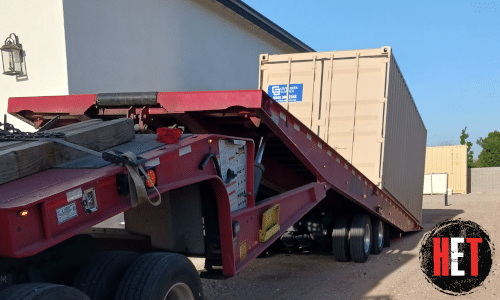
Loading a container for transport

“A high cube container is one foot taller than a standard container. This extra foot easily transports bulky goods, machinery, statues, and other tall items.”

A standard container’s dimensions are 8.6 ft high by 8 ft wide and can be 40 ft, 20 ft, 10 ft, or less long. They are considered standard, as they are widely available and relatively cheap.


Most people use a 20 ft container when moving, as it can easily fit the contents of a 3-bedroom house. This container weighs 4,585 lbs and has a carrying capacity of around 62,600 lbs.

Transport Your Heavy Equipment Today

Heavy Equipment Transport is always available for a quote. Fill out the form or give us a call now! (888) 730-2951

What is a High Cube Container?

The only difference between high cubes and standard containers is the height. A high cube container is one foot taller than a standard container. This extra foot easily transports bulky goods, machinery, statues, and other tall items.

The added height, however, makes the containers a few hundred pounds heavier. A 20 ft high cube container weighs over 5,000 lbs. Yet, it has the same maximum weight capacity as a standard container.
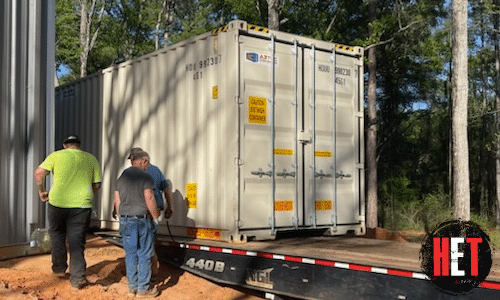
Container on a Trailer.

When to Use a High Cube Container Vs a Standard Container

  • •Moving Oversize Goods. A high cube container is better for transporting bulky or tall items. The internal dimensions of a container are slightly smaller than the state size. Therefore, an object that can barely stand in a standard container will fit more comfortably in a high cube.
  •  
  • •Weight VS. Volume. As mentioned above, a high cube container weighs more than a standard container. When transporting heavy goods that are neither bulky nor tall, a standard container allows you to carry more weight than a high cube.
  •  
  • On the other hand, if you want to store in bulk, like stacking a bunch of boxes, a high cube container could save you money. A 20 ft high cube container has 150 ft more capacity than a standard container of the same length. This extra volume is enough to fit a few hundred shoe boxes.
  •  
  • •Cost Considerations. Buying or renting a standard container is cheaper than a high cube container. It also costs more to transport a high cube, as the extra weight results in a higher fuel consumption. Because freight companies price their services according to weight, you might be charged a premium for the high cube. A standard container is more cost-efficient if you do not need the extra space to move your cargo.
  •  
  • •Container Builds. High cube containers are the preferred choice for container homes and other modifications. The added headroom makes for a healthier, more comfortable living space. As such, you will often find high cube containers used for mobile offices, pop-up bars and cafes.
  •  
  • •Safety Concerns. Standard containers can be transported almost anywhere, as you do not have to worry about power lines and low bridges. When transporting a high cube container, you should carefully plan the route to avoid low-hanging obstacles.
  •  
  • •Storage. Whether you need extra storage for business or personal use, the type of container you choose will depend on a few factors. Standard containers are the most common choice for most people as they can fit easily on a property. Agricultural businesses and farmers often prefer high cube containers to store their large machinery and tools.

A Container For Your Needs

When to use a standard or high cube container will primarily depend on your needs and budget. As you can see, no one container is better than the other. Yet, knowing the dimensions is essential, especially if you are planning to move a container.


If you want to learn more about the different container sizes, contact our specialists at Heavy Equipment Transport. We move large pieces of equipment and can help you transport your container.
How to Choose the Right Equipment Trailer

How to Choose the Right Equipment Trailer

Heavy Equipment Transport Logo
Facebook
Twitter
LinkedIn

William Thomas / January 2021

Trailers are indispensable utility vehicles for hauling heavy and oversized loads. With many trailer types available, choosing the right one for your business operations or to ship your freight can be confusing. But what should you look for when looking for the best trailer? Read on to learn more about the details of determining the correct type of trailer for your equipment transport, the most common trailers for oversize load shipping, and the benefits of choosing the right trailer for equipment hauling.

Choosing The Right Trailer To Transport Your Heavy Equipment

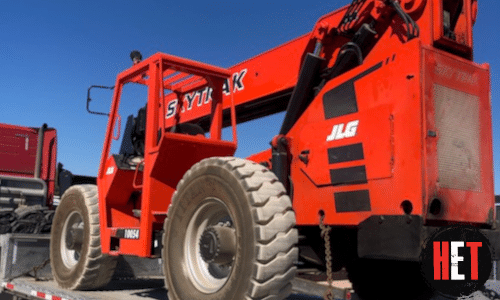
Transporting a 2016 JLG Sky Trak 10054 Telehandler

“The right trailer provides the required load capacity, stability, and safety features for seamless transportation of oversize loads.”

Trailers come in different types, each serving specific purposes. For instance, a trailer that ships liquefied loads differs from one that hauls heavy equipment like a combine. Here are key factors that determine the kind of trailer for equipment transport:

Load Capacity

Before choosing a trailer for your equipment:

  1. 1. Determine the maximum weight your trailer can carry.
  2. 2. Determine the weight of items you will be hauling and ensure the type of trailer you choose can transport them comfortably.
  3. 3. Check the weight restrictions on your towing equipment to avoid exceeding the maximum weight limit.

Trailer Size

Trailers come in different sizes. Before hauling your equipment, consider its dimensions and determine the best trailer.

Determine your Needs

Before purchasing a utility trailer, determine your needs to make more informed decisions. Start by identifying the primary purpose of your trailer and consider how often you will use it. For instance, a trailer used to ship construction materials differs from the one you can use to ship carnival equipment like amusement rides.

Deck Material

Equipment trailers come in different decks, including wooden and steel decks, and each has advantages. So, you choose one that aligns with your load capacity and durability needs.

Hitch Type

When choosing a trailer to haul your equipment, choose a hitch that matches your towing truck. For instance, if you are looking for a hitch type that offers stability for oversized and heavy loads, then RGN hitches are the best options. Bumper hitches are best suited for smaller equipment.

Quality

When buying a heavy equipment trailer, you should consider one of top quality to maximize efficiency. It would help if you researched more about different trailer manufacturers or providers to get the best quality trailer with heavy load-bearing capacity.

Transport Your Heavy Equipment Today

Heavy Equipment Transport is always available for a quote. Fill out the form or give us a call now! (888) 730-2951

What Are The Most Common Types Of Trailers for Oversize Load Shipping

Heavy-duty equipment trailers are used in industries, including manufacturing facilities, construction sites, and distribution centers. These trailers are categorized according to axle category, which includes 5, 6, 7, 8, 10, 13, and 19. Trailers with higher axle capacity can carry more load.

These trailers include:

Standard Flatbed Trailer

Standard flatbed trailers are common types of oversized load shipping trailers that carry heavy loads weighing up to 48,000 pounds and as long as 48 to 53 feet, depending on the length of the trailer. These trailers can be 48′ to 53′, depending on the trailer’s capacity, allowing them to carry equipment.

Step-Deck Trailer

Step-deck trailers are the same as flatbed trailers except that they have two deck heights. These are among the most popular trailers. The overall deck’s length is 43 to 53 feet, with the upper deck being 11 feet long and the lower deck measuring 37 to 41 feet.

Flatbed Spread Axle Trailer

A flatbed spread axle trailer is similar to a standard flatbed trailer, except they have different rear axles. These trailers have single axles spread apart at a more considerable distance than a standard flatbed with tandem axles.

Lowboy Trailer

Lowboy is a specially designed trailer to move overweight and over-height goods. These trailers are very close to the ground compared to other trailer types. They are mostly preferred for transporting tall machinery weighing between 40,000 and 80,000 pounds.

Other Types of Equipment Trailers

Other equipment trailers include:

  • • Drop Deck Trailer
  • • Landoll Trailer
  • • Conestoga Trailer
  • • Removable Goose Neck (RGN) Trailer
  • • Stretch Removable Gooseneck Trailer
  • • Extendable Drop-Deck Trailer
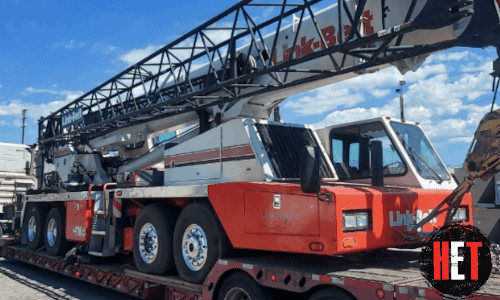
Transporting a crane on a lowboy trailer

Choosing the Right Trailer for Heavy Equipment Hauling Is Essential

Choosing the right trailer for equipment hauling is necessary to ensure a hitch-free hauling. The right trailer provides the required load capacity, stability, and safety features for seamless transportation of oversize loads. On the other hand, a wrong trailer can lead to equipment damage, legal issues, and safety hazards.

We understand the benefit of choosing the right equipment to haul heavy machinery at Heavy Equipment Transport. We also have various trailers with different axle capacities, ensuring your valuable equipment is shipped safely and efficiently.

William Thomas

William Thomas

Heavy Transport Specialist

Being able to lead a team of such talented logistics agents has been a wonderful experience over the past ten years. If you would like to know anything more about the heavy equipment transport services we offer, don't hesitate to give us a call!

Safety Protocols in Heavy Equipment Shipping

Safety Protocols in Heavy Equipment Shipping

Heavy Equipment Transport Logo
Facebook
Twitter
LinkedIn

William Thomas / January 2021

It is critical to ensure safety while shipping heavy equipment. It is about more than just safeguarding precious machinery; it is also about protecting human lives. Mishandling heavy machinery has serious hazards, ranging from financial losses due to damage to severe personal harm or even death. This emphasizes the crucial importance of strict safety standards. These standards serve as a shield, safeguarding both people and equipment and are required for a safe and effective operation. The seriousness of these threats emphasizes the non-negotiable imperative of following safety regulations in heavy equipment shipment.

The Importance of Proper Heavy Equipment Inspection

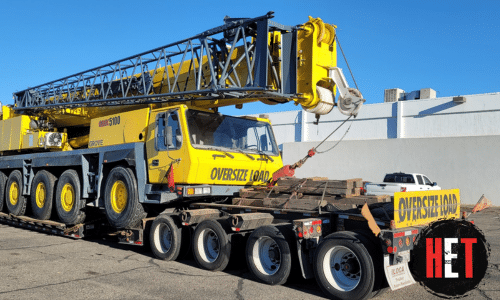
2015 Grove GMK 5100 Crane Truck loaded for transport

“These proactive measures ensure heavy equipment’s safe and efficient movement, reducing downtime, mitigating potential damage, and, most importantly, safeguarding the operators’ and bystanders’ lives.”

Pre-shipment checks are an essential part of guaranteeing heavy equipment shipping safety. They act as an early warning system, detecting possible difficulties before they become significant issues. Inspections cover a wide range of topics, including:
• Checking tire conditions for adequate inflation and wear

• Ensuring lights and brakes are working properly

• Validating the correct weight distribution.

• Confirming the integrity of tie-down points.

This methodical inspection helps to eliminate mishaps, resulting in a safer and more effective heavy equipment transportation process. As a result, these checks are crucial in limiting the dangers connected with heavy equipment shipping.

Transport Your Heavy Equipment Today

Heavy Equipment Transport is always available for a quote. Fill out the form or give us a call now! (888) 730-2951

Understanding The Weight and Size Restrictions of Heavy Equipment Shipping

Heavy loads are classified by weight and size under federal laws, with distinct categories requiring special transportation needs. Because of the potential for damage to road infrastructure or traffic hazards, oversized or overweight equipment frequently necessitates special handling, supplementary permits, and unique vehicle configurations. Large loads, for example, may exceed lane widths, causing traffic congestion, while overweight equipment can damage roads and bridges.

Understanding these classifications and following federal rules is therefore critical in heavy equipment shipping, assuring safety and efficiency while avoiding potential legal consequences and infrastructure damage.

Choosing The Right Trailer to Transport your Heavy Equipment

Choosing the right trailer type for heavy equipment transportation is critical to ensure safe and practical transport. RGN, Step Deck, Double Drop, Flatbed, and Stretch Trailer trailers have unique characteristics and capacities to carry equipment of varying sizes, shapes, and weights.
Matching the trailer to the specifications of the equipment aids in:

• Preventing potential damage during travel

• Increasing load stability

• Promoting compliance with regulatory weight and dimension limits.

This cautious selection assists in limiting transportation risks and optimizing shipping efficiency and thus plays an integral part in the overall success of heavy equipment shipment.

Securing and Protecting Your Equipment in Transport

Heavy equipment must be appropriately secured during transportation to ensure safety. Appropriate securing mechanisms, such as chains, booms, or straps, minimize unwanted movement, lowering the danger of damage or accidents. Furthermore, safeguarding vulnerable portions of the equipment, such as glass components or delicate machinery, is critical to avoiding damage during transit. These safeguards assure regulatory compliance, quick loading and unloading, and the integrity and operating readiness of the equipment.

Adhering to Rules and Regulations When Transporting Heavy Equipment

Heavy equipment transportation needs strict adherence to several federal, state, and local restrictions. These rules, which can differ significantly between locations, govern load size, weight, and transit times.

Noncompliance could result in:

• Severe penalties

• Delays in delivery timeframes

• Damage to one’s reputation

Before transportation, it is critical to obtain the proper permissions, as these validate the legality of the equipment’s size, weight, and route. Compliance with these regulations and licenses ensures a seamless transportation procedure and upholds safety standards, protecting all road users and the transported equipment.

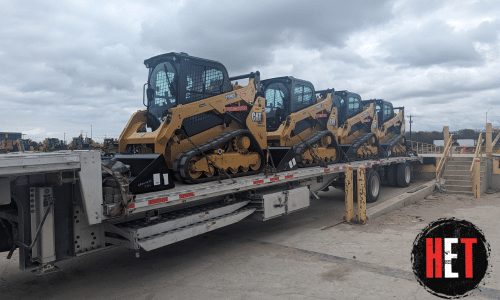
4 Cat 259 Skid Steers loaded for transport

Training and Expertise for Heavy Equipment Transportation

Trained operators are essential for the safe transfer of heavy machinery. Their knowledge prevents damage and ensures on-time delivery. Continuous training and adherence to safety protocols are necessary for operators since:

• Regular training keeps operators up to date on the newest safety regulations and equipment handling techniques, assuring optimal performance and safety

• Up-to-date knowledge assists operators in adhering to changing regulatory criteria and avoiding legal problems.

• Ongoing training improves operator efficiency and lowers the likelihood of accidents, resulting in a safer workplace.

Route Planning for Heavy Equipment Shipping

Planning routes for heavy equipment transportation in advance is beneficial, especially when crossing state or foreign borders. This is due to the following reasons:

• It enables operators to foresee and prevent potential hazards, assuring the safety of the operators and the equipment.

• Foresight is required to navigate the various terrains and weather situations when crossing borders.

• It can assist in avoiding legal difficulties by bypassing regions with tight transportation rules.

• Facilitates on-time customs clearance by choosing routes with fewer logistical constraints.

Preparing for Emergencies When Transporting Heavy Equipment

In the transportation of heavy equipment, emergency planning is critical. It entails developing a comprehensive response strategy, training operators in first aid and crisis management, and outfitting trucks with emergency equipment. A well-thought-out contingency plan lowers downtime, mitigates potential harm, and assures the safety of operators and spectators. In this high-risk industry, it also maintains company continuity. Remember that being prepared is preferable to being caught off guard.

Ensured safety during heavy equipment transportation is a shared duty of all stakeholders. This includes performing extensive equipment inspections, giving obligatory safety training for operators, pre-planning routes to avoid potential hazards, and implementing complete emergency preparedness measures. These proactive measures ensure heavy equipment’s safe and efficient movement, reducing downtime, mitigating potential damage, and, most importantly, safeguarding the operators’ and bystanders’ lives. Safety must be prioritized at all stages of the transportation operation.

William Thomas

William Thomas

Heavy Transport Specialist

Being able to lead a team of such talented logistics agents has been a wonderful experience over the past ten years. If you would like to know anything more about the heavy equipment transport services we offer, don't hesitate to give us a call!

Preparing Your Heavy Duty Truck for Transport: A Step-by-Step Guide

Preparing Your Heavy Duty Truck for Transport: A Step-by-Step Guide

Heavy Equipment Transport Logo
Facebook
Twitter
LinkedIn

William Thomas / January 2021

It is crucial to ensure your heavy-duty truck is suitably ready for shipment. Without adequate planning, your vehicle may suffer severe damage during transport, necessitating expensive repairs or even jeopardizing the car’s overall safety. As a result, this tutorial will show you step-by-step instructions on preparation for heavy-duty truck transport.

Consult the Truck's Manual before Transport

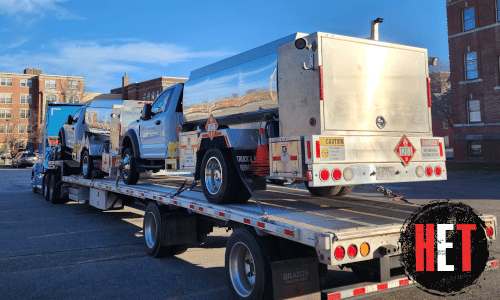
Ford F-550 Fuel Tanker loaded on a step deck trailer for transport

“You can ensure that your heavy-duty truck reaches its destination in good shape by following these instructions and taking the necessary safety precautions.”

Before shipment, it is essential to consult the user handbook or manual. This booklet offers comprehensive rules, directions, and specifications for your truck model. The following are a few of the particular measures that the manufacturer may suggest:

• Checking And Adjusting Tire Pressure: This is crucial to ensuring that the truck’s weight is distributed evenly and to avoid any tire damage during transit.

• Securing Loose Items: To prevent them from becoming damaged or causing damage during transit, any open equipment, such as mirrors, antennas, or exhaust pipes, should be securely fastened.

• Removing Removable Parts: To prevent any damage, removing any removable parts from your truck before shipment, such as the spoiler and side mirrors, is advised.

Transport Your Heavy Duty Truck Today

Heavy Equipment Transport is always available for a quote. Fill out the form or give us a call now! (888) 730-2951

Obtain the Required Permits for Shipping Heavy Duty Trucks

Permits come in a variety of standard forms, including:

Oversized Load Permits: According to municipal rules, this permit is necessary for vehicles that exceed specific weight or size restrictions.

Trip And Fuel Permits: These authorizations, which let your car pass through several jurisdictions, are frequently needed for long-distance shipments.

Special Hauling Licenses: These licenses are required to carry vehicles with unique qualities, such as hazardous chemicals or odd shapes.

It’s crucial to research and determine whether any specialized permits are required before setting up your heavy-duty truck transport. The weight and size of your truck, the transportation route, and any potential limitations in your destination are a few things to consider.

Protect Vulnerable Parts of Your Truck When Shipping

The first step in securing your truck is determining which components, such as mirrors, bumpers, and exhaust pipes, are vulnerable to damage during shipment. Some recommendations for safeguarding your truck’s weak areas while being transported include:

Closing Up Vulnerable Areas: If your truck has any exposed or delicate components, such as antennae or mirrors, you should cover them with a shield to prevent damage.

Securing Unsecured Objects: Before shipping, ensure all loose items in your truck, like tools or equipment, are securely fastened. This will stop them from shifting and perhaps causing damage while being transported.

Examining Your Truck Both Before And After Transport: Before shipment, carefully check your truck for any damage that may already be there. After transit, thoroughly inspect the item for any potential new dents or scratches that might have developed during the trip.

General Equipment Preparation for Truck Transport

You can also take a few more general procedures to prepare your equipment for shipping. These consist of:

• Cleaning your truck will help prevent harm during shipment and simplify checking for damage after delivery.

• Eliminating superfluous or loose materials will make it lighter and easier to move, lowering the possibility of something shifting and sustaining harm while in transit.

• Check the fuel and fluid levels before shipping; ensure all of your truck’s fluids are at the proper levels to prevent potential safety risks.

Ensure Accessibility for Pick-Up and Drop-Off

It is crucial to ensure that the carrier’s pick-up and drop-off sites are straightforward when ready for truck travel. This entails removing impediments to the truck’s progress, such as low-hanging trees and congested highways. The carrier should know any potential road dangers during their trip.

Safety Considerations When Transporting a Heavy-Duty Truck

When shipping a heavy-duty truck, it’s crucial to take safety precautions to guarantee its safe arrival at the destination. It is essential to thoroughly inspect and confirm that all safety elements are operational before transporting the truck. This entails checking the tires, brakes, lighting, and other crucial components supporting safe driving.

The truck must also be securely fastened to the carrier to prevent movement during transit. This can be achieved by adequately securing the truck and utilizing wheel chocks to stop it from rolling.

Documentation and Inspection When Shipping a Truck

Specific paperwork requirements for exporting any vehicle, even a heavy-duty truck, must be completed and checked before transit. This covers the truck’s title or registration and any licenses required for interstate transit. A truck inspection with the carrier before putting the car into the trailer is crucial. This can prevent disagreements or problems later by ensuring that both parties know the truck’s condition before transport.

Communicate with the Truck Transport Company

When transporting a heavy-duty truck, effective communication is essential. Giving the truck delivery service pertinent details about the vehicle, such as its dimensions, weight, and any specific handling instructions, is crucial. It is also essential to stay in contact with the company to resolve any concerns or problems that can develop during the transport process, such as timing adjustments or unforeseen delays.

Significant planning and preparation are required to ensure a secure and efficient transfer when transporting a heavy-duty truck. This entails appropriately mounting the car onto the carrier, compiling the required paperwork, conducting inspections, and maintaining open contact lines with the truck delivery service. You can ensure that your heavy-duty truck reaches its destination in good shape by following these instructions and taking the necessary safety precautions. Keep in mind that preparation is the key to adequate transportation.

Transporting Heavy Equipment | Heavy Equipment Transport

Transportation of Heavy Equipment | HET

Heavy Equipment Transport Logo
Facebook
Twitter
LinkedIn

William Thomas / May 2022

Tye Fort received a call from a client who wanted his heavy equipment transported from Meridian, MS to Independence, MO. Tye Fort immediately started working towards having all the paperwork necessary. He also fully insured the heavy equipment. Heavy Equipment Transport only uses specialists with years of experience. Our specialists are professionals who will ensure your heavy equipment is delivered on time and safely. With everything ready, it was time to decide the most suitable trailer to transport the heavy equipment. After looking at the specifications of the heavy equipment, Tye Fort decided that a hot shot trailer was the best. He then called one of our drivers in Meridian, MS and scheduled to have the heavy equipment transported the following morning.

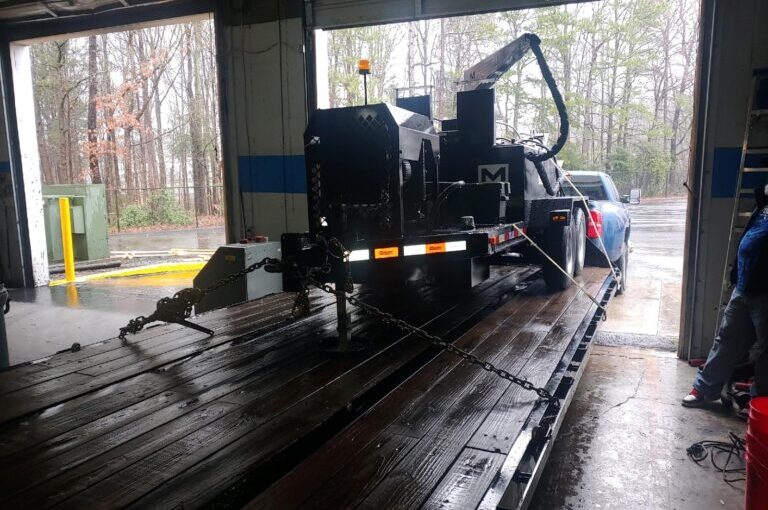
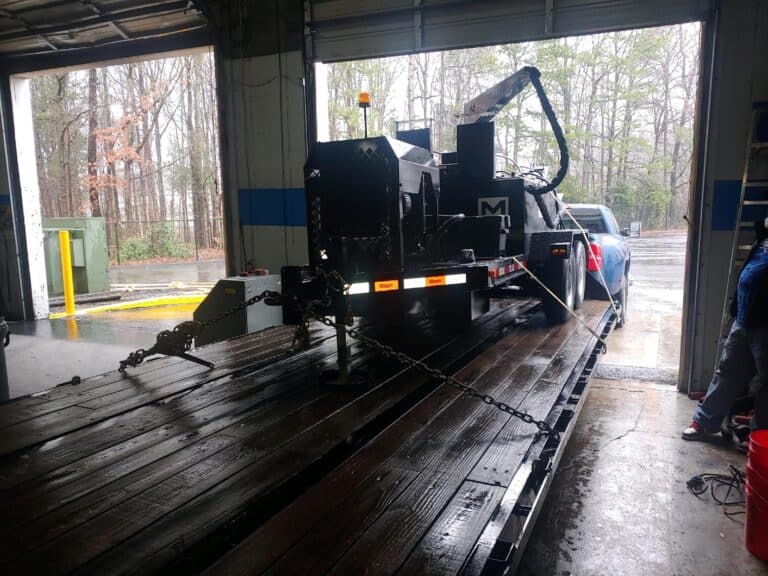
Equipment on hot shot trailer

Transport Your Heavy Equipment Today

Heavy Equipment Transport is always available for a quote. Fill out the form or give us a call now! (888) 730-2951

Convenient Heavy Equipment Transport Solutions

Heavy Equipment Transport has professionals and resources everywhere in the country. That makes it easy and fast to transport our clients’ heavy equipment. Early the following morning, our driver set off to the pick-up location. Unfortunately, the weather was so gloomy. However, Heavy Equipment Transport gets the job done regardless of the weather condition. When he got there, he parked strategically to load the heavy equipment quickly. After loading the heavy equipment, he secured it tightly on the trailer using chains. He then covered the heavy equipment with a tarp to protect it from the rain. When Tye Fort confirmed that the loading process was successful, he dispatched the heavy equipment. 

Affordable and Safe Heavy Equipment Shipping Services

From Meridian, MS, the most suitable route was I-55 N. Our driver was careful on the way because the weather wasn’t the best. He regularly stopped to check if the heavy equipment was still well secured. After 12 and a half hours, he was at the drop-off location where he unloaded the heavy equipment safely. Our heavy equipment shipping services are available all over the country at very affordable rates. We provide our clients with free shipping quotes. To transport heavy equipment, contact us today through our toll-free number (888) 730-2951.

William Thomas

William Thomas

Heavy Transport Specialist

Being able to lead a team of such talented logistics agents has been a wonderful experience over the past ten years. If you would like to know anything more about the heavy equipment transport services we offer, don't hesitate to give us a call!

Shipping Assorted Construction Equipment | Heavy Equipment Transport

Assorted Construction Equipment Transport By HET

Heavy Equipment Transport Logo
Facebook
Twitter
LinkedIn

William Thomas / May 2022

A construction company contacted us to transport various construction equipment from El Paso, TX, to Pasadena, TX. They urgently needed the heavy equipment shipped and paid an extra fee for our expedited shipping services. Julian, one of our heavy equipment specialists, was the one processing the shipment. First, he worked on all the paperwork required for stress-free transportation. He then fully insured the assorted construction equipment. When he evaluated the specifications of the heavy equipment to be transported, he decided that the most suitable trailer would be a step deck. It was spacious enough to accommodate all the heavy equipment.

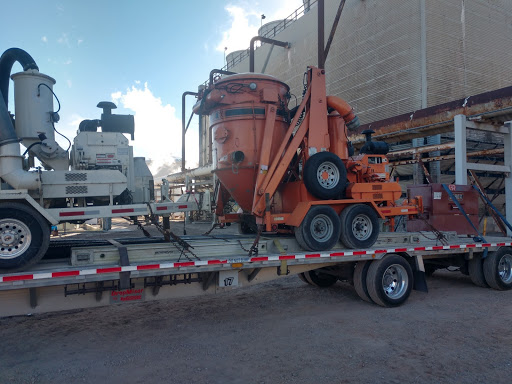
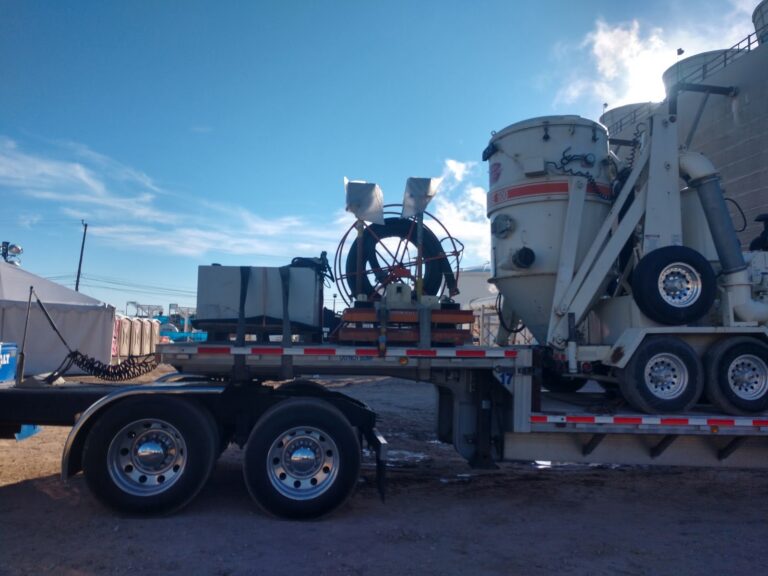
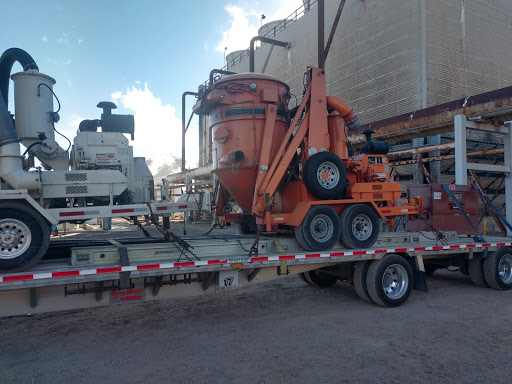
Building equipment on step deck trailer

Transport Your Assorted Construction equipment Today

Heavy Equipment Transport is always available for a quote. Fill out the form or give us a call now! (888) 730-2951

Specialised construction Equipment Transportation Services

With time ticking, Julian called our driver in El Paso, TX and gave them the address where he was to pick up the heavy equipment. When he got there, all the heavy equipment was loaded and well secured. Some of the small equipment were put on the goose neck and tightly secured. As soon as our driver called Julian, he was dispatched. Our drivers are professionals who always know the best routes to use. From El Paso, TX he decided to use route I-10 E. It was convenient because it had minimal traffic. After 12 hours of being on the road, he was finally at the drop off location and the equipment were safely unloaded.

Building equipment on step deck trailer

Fast and Secure Assorted Construction Equipment Shipping Services

The client was happy because we had kept time. He left a positive review on our website, recommending our heavy equipment shipping services. At Heavy Equipment Transport, we commit to a shipment until it’s safely delivered. We only use professionals with the knowledge of every step of a safe delivery. Our heavy equipment transportation services are very affordable. We fully insure and dedicate a specific specialist to your shipment at no extra fees. With Heavy Equipment Transport, the safety of your heavy equipment is guaranteed. We take care of our client’s cargo until it’s delivered. To transport heavy equipment anywhere in the country, call us today at (888) 730-2951.

William Thomas

William Thomas

Heavy Transport Specialist

Being able to lead a team of such talented logistics agents has been a wonderful experience over the past ten years. If you would like to know anything more about the heavy equipment transport services we offer, don't hesitate to give us a call!