How To Load Equipment on a Trailer

How to Load Equipment on a Trailer

Heavy Equipment Transport Logo
Facebook
Twitter
LinkedIn


The world’s construction market was valued at a staggering $11.39 trillion USD in 2024. This figure is expected to climb to $16.11 trillion USD by 2030. This explosive growth can only be enabled by a robust supply of heavy equipment, such as dozers, cranes, and forklifts. But here’s the thing. Moving heavy equipment is risky business. All it takes is one wrong angle, a slight miscalculation, or a poorly balanced load to turn a routine operation into a catastrophe. Accidents involving heavy equipment cause people to get hurt and businesses to go bankrupt. Knowing how to properly handle heavy machinery loads is a key skill for heavy equipment transporters.

This guide explains how to load equipment on a trailer safely and why many logistics professionals rely on Heavy Equipment Transport for safe and compliant hauling.

Why Proper Trailer Equipment Loading Matters

Loading errors directly result in reloading costs, delayed shipments and downtimes.

Maintaining a proper center of gravity during loading prevents load shifts and rollover risk during hauls. Drivers sometimes have to apply sudden braking. If the centre of gravity is too high, it can cause the machinery to drift and topple. In some cases, the inertia is too high, and a poorly secured load can smash through the driver’s cabin.

Weight distribution across the axles is equally critical. This is especially important for heavier loads, where the trailer’s stability is at a greater risk. Suppose if the weight of the equipment is concentrated to the right side of the trailer, and if the driver makes a sharp left, the inertia will cause the equipment to topple over. Optimal weight distribution helps carriers comply with the Department of Transportation’s (DOT) regulations and prevent costly violations.  

Loading errors directly result in reloading costs, delayed shipments and downtimes. Heavy Equipment Transport’s certified specialists, trained in heavy haul safety, ensure safe and compliant loading across a variety of trailer types.
lube truck transport

Transport Your Containers Today

Heavy Equipment Transport is always available for a quote. Fill out the form or give us a call now! (888) 730-2951

Assessing Your Equipment Before Trailer Loading

A critical piece of a logistician’s job is to assess each piece of equipment before loading. They need to verify the weight, width, height and length of each load. Mechanically inspect to verify the brake, tracks, and hydraulic conditions before each trip.  Additionally, make sure to secure each attachment. Replace any harness/safety cable that seems damaged or weak. Also, note any oversize/overweight equipment that may affect trailer choice and the type of permit needed.

Our trained and experienced specialists assess equipment dimensions and recommend the right equipment securement and trailer for the job. Furthermore, we advise on the right permits to seek. Making your operation smooth and compliant. 
2023 Volvo paint truck haul

Choosing the Right Trailer for Safe Equipment Loading

Equipment dimensions are immensely variable. You could be transporting anything from heavy iron blocks to tall equipment like cranes. That’s why selecting the right type of trailer to accommodate each is essential. Choosing the right type depends on equipment characteristics such as height clearance, loading angle and axle capacity. A few commonly used trailer types include:

1. Flatbed Trailers
High-deck versatile trailers are used for standard cargo like lumber, pipes and steel beams. Deck height here is roughly 60 inches. 

2. Step Deck Trailers
Consists of an upper and lower deck. The upper deck being 60 inches, while the lower deck ranging from 38-42 inches. Primarily used for taller cargo that is taller but not too heavy: Excavators, for instance,

3. Lowboy Trailers
This type of trailer has extremely low deck heights (18-24 inches) and can feature a fixed/removable gooseneck. Chiefly used for heavy and tall equipment that exceeds height limits on other trailers. The types of cargo for these include backhoes and cranes.

4. RGN (Removable Goose Neck) Trailers
Again, features a low deck height (18-24 inches). The added advantage sis that the front detaches to create a drive-on ramp. Useful for loading equipment that cannot be loaded directly from a staging area. Extremely tall or heavy loads like dozers, can benefit due to the added stability. 

5. Landoll Trailers
Average deck heights hover between 30-36 inches and feature a hydraulic sliding axle. The deck is tiltable. Particularly useful for rolling equipment, like forklifts and scissor lifts.

Logisticians need to make an informed call while choosing the right deck height and loading angle. Heavy Equipment Transport’s professional services can help advise on the right trailer for the job. We help reduce costs and downtimes by avoiding mistakes that arise from wrong trailer orders. 

Trailer Safety Preparation Before Loading

Here are some safety precautions taken before loading:

1. Always park the trailer on level and stable ground. Uneven or sloped ground can cause the trailer to shift, making the deck unstable. 

2. Chock the wheels properly. Make sure that a trainer spotter is keeping an eye out for any movement on the truck. Clear signalling and safety protocols should be observed while the work is executed.

3. Clear the landing zone of any debris and obstacles to maintain loading safety guidelines. The point is to ensure that the equipment doesn’t skid or get stuck, during the loading process.

Our specialists are trained on best-in-class safety standards and make sure that your equipment is handled properly so that your business can operate hassle free.

Step-by-Step Process for Loading Equipment on a Trailer

These equipment loading procedures ensure that personnel and equipment are kept safe:

Step 1: Align the equipment with the trailer’s ramps.
Step 2: Secure the ramps and verify that the angle of approach is stable.
Step 3: Once the equipment has been aligned, slowly drive or winch it onto the trailer.
Step 4: Ensure balance by centring the load over the trailer’s axles.
Step 5: Any attachments, such as the excavator bucket or dozer blades, should be lowered. The brakes should be engaged.
Step 6: Shut off the equipment and confirm the final positioning.

Our professional hauling services take the stress off businesses and help minimize risk at low costs. 
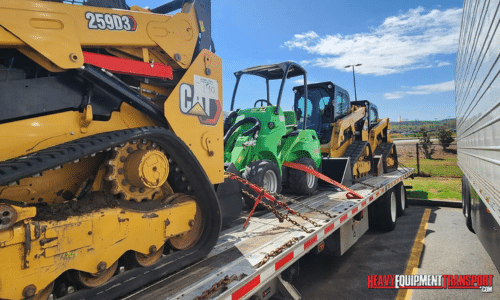
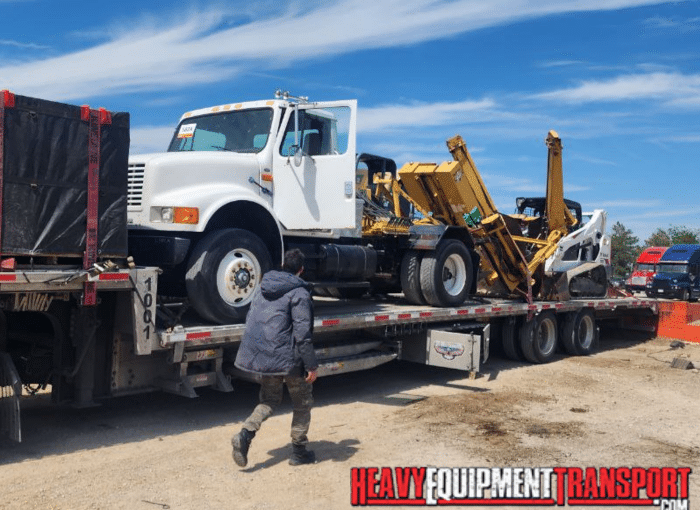
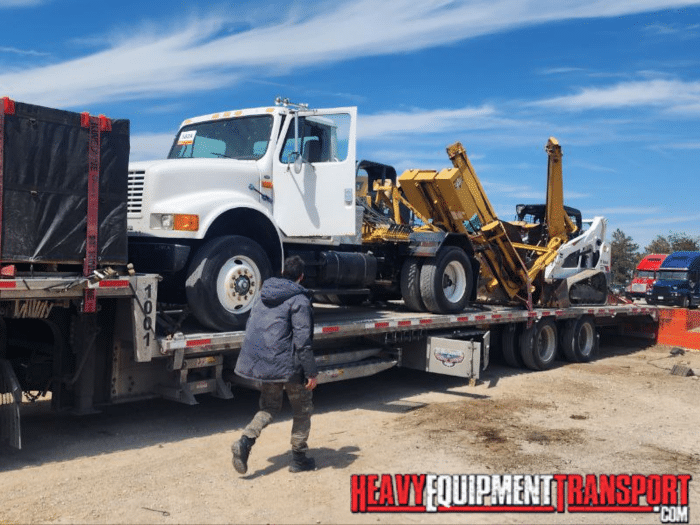
Transporting skid steers

Trailer Securement Requirements for Heavy Equipment

Heavy equipment has different trailer securement requirements. You’ll need to consider: 

1. The number of tie-downs required based on weight class. Generally, the heavier or taller the machinery, the larger the number of tie downs required.

2. Proper knowledge for the use of Grade 70 chains, ratchet binders and anchor points is required to firmly secure equipment. Knowing where to anchor the machinery will reduce the chances of the equipment skidding off due to the inertia during transportation. 

3. Most likely, each equipment will have different appendages: booms, buckets, blades, and other articulated components. Secure each of them and make sure they remain within the dimensions of the trailer. If necessary, oversized permits might be required if the appendage goes beyond the limits.

4. For added stability, cross-chain the equipment and perform tension checks.

We take pride in employing best-in-class safety as part of our loading processes. Our aim is to ensure personnel and load safety during long haul transportation.

Final Trailer Inspection Before Transport

Perform these final inspection checks before your trailer gets dispatched:

1. Re-check tension in your tie-downs after settling.
2. Inspect trailer lights, flags, signs, and OVERSIZE LOAD banners.
3. Verify route clearance for height, weight and any other travel restrictions.
4. Verify that you have all the required permits and paperwork.

Each haul is carefully inspected by our experts so that each journey is made safe, reliable and risk-free.

When to Call a Professional Trailer Loading and Hauling Team

Businesses often struggle when loading heavy equipment in challenging environments. Here are a few instances where you should bring in professionals to handle the job:

1. Oversized/overweight machinery takes experienced and expert trailer handling.
2. Non-running or damaged equipment needs winching and specialty ramps.
3. Tight job sites or uneven terrain increase trailer loading risk.
4. High-value equipment requires professional securement to avoid damage.

In these conditions, partnering with Heavy Equipment Transport reduces risk and prevents expensive loading errors.

FAQs — Loading Equipment on a Trailer

What is the safest way to load heavy equipment onto a trailer?

Secure the trailer. Use a trained spotter. Make sure that the equipment’s centre of gravity is as low as possible.

Depends on the size and weight of each load.

Depends on the weight class of your equipment. FMCSA requires a minimum of four tie-downs for equipment over 10,000 pounds

It is recommended to call in qualified and experienced professional loaders for the job.

Our professionals have years of heavy equipment handling experience. We employ industry best practices coupled with years of refined internal processes to get the job done.

William Thomas

William Thomas

Heavy Transport Specialist

Being able to lead a team of such talented logistics agents has been a wonderful experience over the past ten years. If you would like to know anything more about the heavy equipment transport services we offer, don't hesitate to give us a call!
What is Freight Insurance?

What is Freight Insurance?

Heavy Equipment Transport Logo
Facebook
Twitter
LinkedIn

Francisca Olive / July 2023

What matters most to you as a shipper is that your shipment arrives at its destination in one piece and on schedule. Nevertheless, mishaps can occur, compromising your shipment’s safety. Also, they are notoriously hard to predict. But this does not mean that you must accept the loss. Read on to learn more about freight insurance (or cargo insurance) and how it can help you recover freight loss in case of an incident.

What is Cargo Insurance?

A cargo insurance policy offers complete or partial protection against losses that may occur to the cargo in transit. Cargo insurance gives you peace of mind while your shipment is in transit. If your shipment is damaged, the insurance company will pay the replacement cost. Cargo insurance can be purchased from either the shipping business or from independent insurance agencies.

Do I Need Freight Insurance?

Getting cargo insurance is not compulsory, but it is recommended. You, the shipper, are under no obligation to obtain cargo insurance. You are within the law to ship without purchasing cargo insurance. However, the carrier will offer you some protection in the form of freight liability, which is not insurance.

And thus, the question arises: why sign up and pay a premium for extra protection? The truth is that you are the most qualified individual to guarantee the safety of your goods. The transportation company or carrier may provide some form of insurance, but they’d rather not be responsible for any damages.

The value of the shipment belongs to you, the shipper. The best way to recover from a loss is to purchase cargo insurance.

tractor on trailer for transport

Transport Your Freight Today

Heavy Equipment Transport is always available for a quote. Fill out the form or give us a call now! (888) 730-2951

Freight Liability vs. Cargo Insurance

Every shipment comes with limited liability coverage, and the word “limited” is the fundamental difference between the two types of coverage. The amount of protection depends on the specifics of the goods being transported and the terms set by the carrier. Most of the time, it won’t be enough to cover the value of the goods, especially for high-value goods.

If the damage to your shipment was the carrier’s fault, they must reimburse you. If you want the full amount of the carrier’s liability coverage, you’ll need to show that your items were properly packed and in good condition when they were picked up. Bad weather or natural calamities may reduce the carrier’s responsibility for your shipment’s safety.

When you get cargo insurance, you are protected no matter what happens with your cargo. Furthermore, you won’t have to provide evidence that the incident was the carrier’s fault. Having cargo insurance means you won’t have to wait around for your claim to be processed or worry about whether or not you’ll receive your money back if something goes wrong with your shipment.

Compared to freight liability, cargo insurance provides the shipper with much more peace of mind and allows for a quicker payout. It takes an average of 30 days to process a claim, unlike freight liability which can take several months. Investing in cargo insurance protects your business from financial loss. Furthermore, insurance agents will handle all necessary documentation on your behalf.

truck on trailer for transport

What is Covered Under Freight Insurance?

Cargo insurance policies vary widely, but some of the incidents that are typically covered include acts of war and piracy, as well as natural catastrophes, vehicle accidents, cargo abandonment, and customs refusal. Problems that stem from factors over which the shipper has control, such as damaged goods brought on by inadequate packaging, defective goods, or dangerous materials, might not be compensated.

Things to Consider

Before signing a cargo insurance policy, read the fine print. Don’t settle for anything less than a comprehensive policy. Here are some steps to ensure smooth claim filing and cargo insurance coverage:

● Your claim could be denied if your insurance policy does not specify the freight class and type. Check to see that the policy fully addresses all of your needs.
● Purchase the policy beforehand, and ensure that the carrier is included.
Ensure that delicate materials like glass, marble, and granite are professionally packed. The insurance company won’t pay out a claim without seeing proof, such as packing slips and photos.
Ensure you indicate the true worth of your shipment. The claim settlement may be decreased should there be a disparity between the declared and actual value.
It is best to photograph your container and cargo before transport. The images will aid the insurer in determining the degree of the damage
You’ll also need to verify that the goods are insurable.

Key Takeaway

When it comes to protecting your cargo, you can’t afford not to purchase cargo insurance. If you haven’t already done so, contact your shipping company now and ask about the various insurance policies they provide.

William Thomas

William Thomas

Heavy Transport Specialist

Being able to lead a team of such talented logistics agents has been a wonderful experience over the past ten years. If you would like to know anything more about the heavy equipment transport services we offer, don't hesitate to give us a call!
Why Do Transport Regulations Vary?

Why Do Transport Regulations Vary?

Heavy Equipment Transport Logo
Facebook
Twitter
LinkedIn

Francisca Olive / July 2023

Heavy haul trucking requires special documentation and permits, which vary from state to state. Breaking transport regulations and rules can result in significant penalties and fines. Operators and fleet managers need to understand the specific transport requirements of each state before sending drivers out on the road. This blog discusses common heavy haul transport regulations and existing variations between states.

What Is Considered a Heavy Haul?

Any load beyond the regulated legal limit on most roads is considered a heavy load. Although numbers vary from state to state, anything weighing over 80 000 pounds in gross weight or exceeding a loaded dimension of 13.6 in height, 8.6 feet in width, and longer than 53 feet is generally categorized as heavy load.

excavator haul

Transport Your Equipment Today

Heavy Equipment Transport is always available for a quote. Fill out the form or give us a call now! (888) 730-2951

What Is Considered a Heavy Haul?

Any load beyond the regulated legal limit on most roads is considered a heavy load. Although numbers vary from state to state, anything weighing over 80 000 pounds in gross weight or exceeding a loaded dimension of 13.6 in height, 8.6 feet in width, and longer than 53 feet is generally categorized as heavy load.

5 Common Transport Regulations and Their Variations

Some of the common variations in heavy haul transportation regulations to be aware of include the following:

➤ Axle Restriction

The axle in a heavy haul trucking trailer determines your legal load capacity. Both federal and state laws determine weight limits for oversize loads based on the number and type of axles and the type of road you use. Generally, heavy hauling equipment is available in 5, 6, 7, 9, 10, 13, and 20 axle options, and the more axles, the more weight you can legally haul. Generally, per axle limit varies by state and road type. However, the following are some general guidelines based on overall federal restrictions:

Steer axles: Steer axles are the first axles on the truck. Federal laws impose a weight limit of 12,000 lbs.

Single axles: Under federal law, a truck with a lone axle can only support 20,000 lbs.

Drive axles: Drive axles on a tractor or fitted to the rear of a heavy-duty trucker can legally support 34,000 lbs. However, the truck must be in a tandem setup.

Tandem axles: Tandem axles are where two sets of wheels are positioned within five feet of each other. Under federal law, tandem axles can support a maximum of 34,000 lbs.

➤ Maximum Legal Dimensions

Maximum legal dimensions of loads vary from state to state. However, any vehicle and load exceeding one or more legal dimensions mentioned above requires a permit. The permit details the following:

  • Size and weight of the load
  • Nature of the load
  • The origin of the load
  • The destination of the haul

➤ Permit Requirements

Each state requires a permit to move heavy loads. State permits vary based on local terrain, population density, state laws, and environmental concerns. In most states, permits are issued on a one-off basis for a specific load and journey to be undertaken at a specific time. State permit requirements may include restrictions on the following:

● Movement times
● Routing
Support equipment
Weekend and holiday movement
Winter travel regulations ( most Northern States have regulations around winter)

Permit fees also vary from state to state and are determined by the nature of the load. While some state charges as little as $15.00, others charge more than $70 for the same basic load. You may also be required to pay an additional processing fee of $15.00.

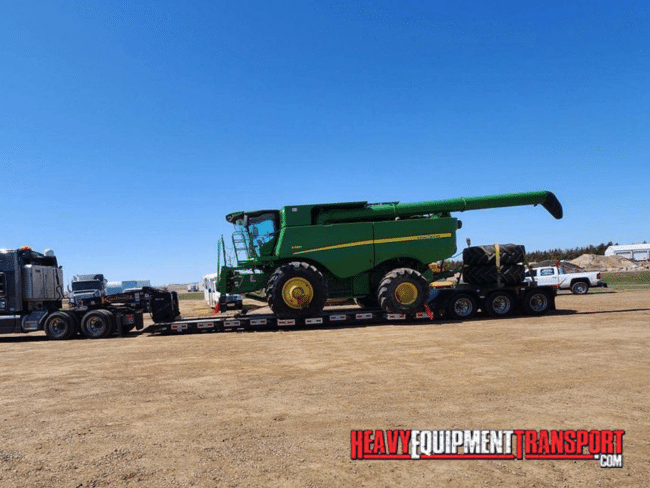
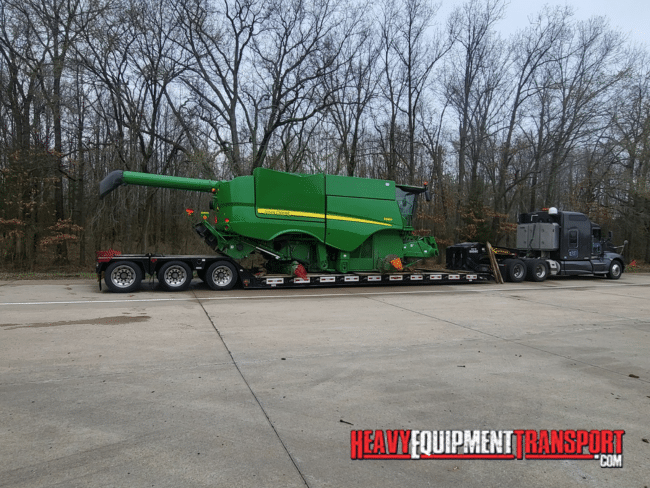
combine on rgn for transport

➤ Running Times

Permitted travel times for heavy hauls vary widely between states and in cities or communities within a state. Most states restrict movements of oversized hauls to daylight hours. The restrictions could also vary based on the size of the oversized load. For example:

● Loads exceeding 10 feet wide are restricted to daylight hours
● Oversized loads of more than 10 ft. wide move at night on interstates and 4-lane divided highways
In some states, the movement of wide loads is restricted to night during periods of least traffic

➤ Other Requirements

Most permits for heavy hauls carry additional requirements to guarantee safety. These requirements vary from one state to another and may include the following:

Guide cars: Most states require wide laws to be accompanied by pilot vehicles known as escorts or guide cars. These vehicles help manage traffic surrounding wide loads, especially on highways and populated areas.

Banners: Most states require conspicuous “Oversized Load” or “Wide Load” banners to be installed at the front and rear of the rig to help identify heavy loads to other road users.

Lights: Flashing yellow or rotating yellow lights is another permit requirement most states impose. These lights signal to other road users that an oversized or overweight load is traveling at a slower pace than other vehicles on the road.

Safety flags: Heavy load operators are required to install vivid orange or red flags at the four corners of loaded haulers carrying oversized loads. This help marks the vehicle’s extremities when moving.

Key Takeaway

If you are moving a shipment across state lines, know that regulations vary from state to state. You must review permit requirements for each state to understand and comply with each set of regulations fully. Penalties for non-adherence attract significant fines that eat into your bottom line.

William Thomas

William Thomas

Heavy Transport Specialist

Being able to lead a team of such talented logistics agents has been a wonderful experience over the past ten years. If you would like to know anything more about the heavy equipment transport services we offer, don't hesitate to give us a call!
What Is Equipment Logistics?

What Is Equipment Logistics?

Heavy Equipment Transport Logo
Facebook
Twitter
LinkedIn

Francisca Olive / July 2023

Most logistics and supply chain experts agree that logistics will be more significant to companies’ success in the next five years. Thus, companies who want to succeed in today’s dynamic market must have a firm grasp of shipping logistics. This article will delve into the fundamentals of equipment logistics.

What Is Equipment Shipping Logistics?

Equipment logistics refers to the inbound and outbound logistics involved in transporting equipment. It is the process of planning, putting into action, and controlling the smooth movement of equipment from its point of origin to its final destination. It involves coordinating equipment movement, storage, and handling to guarantee that it is delivered to the appropriate area at the right time and in the best condition.

Types of Transport Logistics

There are three main types of transport logistics.

● Inbound Logistics

Inbound logistics involves moving equipment and materials from suppliers to the site where they will be used in manufacturing or production. It encompasses moving, storing, and managing raw materials, components, and other inputs necessary for machinery production.

● Outbound Logistics

Outbound logistics involves transporting finished goods, tools, and raw materials from the factory or warehouse to the final consumer or distribution hub. Tasks like transporting goods, storing them, and keeping track of stock are all part of outbound logistics.

● Reverse Logistics

Reverse logistics refers to the handling of returns and exchanges from customers. This involves both inbound and outbound logistics, such as the creation of return labels, the inspection of returned goods, the processing of reimbursements, and the shipment of replacement goods in the case of an exchange.

equipment on trailer for transport

Transport Your Equipment Today

Heavy Equipment Transport is always available for a quote. Fill out the form or give us a call now! (888) 730-2951

Processes Involved in Shipping Logistics

Logistics involves three key components: transportation, storage, and handling. Logistics relies heavily on transportation, which involves moving machinery from one area to another. It involves deciding which transportation mode to use (trucks, trains, planes, or ships) and planning the most efficient routes and times for transporting the equipment.

Logistics also includes the correct storage of equipment both while it is en route and once it has arrived at its destination. Equipment must be adequately secured and protected from harm during storage, which includes choosing suitable storage facilities like warehouses or storage yards.

Equipment must be transported carefully to guarantee that it arrives at its destination in good condition. Things like loading and unloading machinery, securing it for transit, and employing the right tools and methods can all help reduce the likelihood of damage occurring throughout the handling process.

Challenges of Logistics

Cost management is one of the major challenges in transportation logistics. The costs of shipping, warehousing, and handling equipment may add up quickly, so companies need to find efficient ways to reduce these costs without sacrificing reliability or safety.

Supply chain disruptions, such as transportation delays or sudden changes in supplier availability, can also pose a significant challenge to logistics. Companies should have backup plans to deal with unforeseen circumstances, ensuring equipment is delivered on time.

Also, logistics companies may find it hard to deal with compliance regulations involving handling, transporting, and storing equipment. Failure to comply with regulations can result in fines, legal issues, and damage to a company’s reputation.

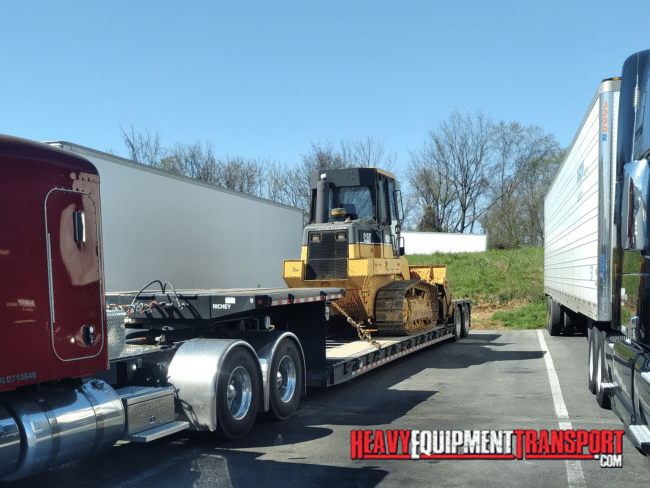
combine on trailer

Best Practices for Effective Transportation Logistics

● Pick The Right Carrier

Carriers are in charge of transporting equipment from the point of origin to the final destination. It can be hard for many firms to choose a carrier because different industries have varying shipping requirements that must be met to ensure deliveries go off without a hitch. Many factors come into play when determining the best candidate. If you’re shipping equipment overseas, you must find a carrier with those capabilities. It’s also important to consider a carrier’s reputation.

● Optimize Transportation Routes

Optimizing transportation routes helps cut down on travel times and costs. Companies can use routing software to plan the most efficient routes, considering variables like travel time, traffic, and truck capacity.

● Collaborating With Suppliers

Collaborating with customers and suppliers can help make logistics more efficient. A business can work with suppliers to ensure equipment is delivered on schedule and in good condition. Collaborating with customers allows a company to understand what equipment they need.

● Continuous Improvement

Continuously monitoring activities in the logistics process can help companies identify improvement opportunities and implement changes to increase efficiency and reduce costs. Businesses can use key performance indicators and data analytics to identify inefficiencies.

● Technology is Key

Technology is essential to improving transportation logistics. Companies can use logistics software to optimize routes, track inventory, and automate some processes.

Key Takeaway

The key to running a prosperous business is to satisfy consumer needs and stay competitive. This means having a firm grasp of transport logistics and constantly pursuing better solutions to ensure a pleasant delivery experience for customers and drivers.

William Thomas

William Thomas

Heavy Transport Specialist

Being able to lead a team of such talented logistics agents has been a wonderful experience over the past ten years. If you would like to know anything more about the heavy equipment transport services we offer, don't hesitate to give us a call!
The Most Common Reasons Equipment Transport Gets Delayed

The Most Common Reasons Equipment Transport Gets Delayed

Heavy Equipment Transport Logo
Facebook
Twitter
LinkedIn

Francisca Olive / June 2023

Delays are not uncommon and often occur without prior warning. Your organization has to work with a carrier with extensive expertise in preventing, navigating, and avoiding delays for its customers, as there are many potential causes. Read on to learn some of the common reasons for equipment delivery delays.

Reason 1: Issues with Documentation

A lack of proper documents is a common reason for equipment transport delays. Shipping freight involves documents such as a bill of lading, commercial invoice, certificate of origin, and any applicable special certificates. If documents are missing, an extra customs check will need to be performed, which will cause a delivery delay.

Clearance times are lengthened, and shipments are often refused entry due to mistakes in details like the country of origin, HS code, and product specifications.

Your paperwork will be thoroughly examined from the initial port of call to loading, unloading, transfers, and customs. If your handwriting is legible, you can speed up the delivery of your items. Illegible or poorly printed documents might slow down the customs clearance process.

Important details about your shipment should be included on the shipping label. Labeling your shipment incorrectly might cause problems at the customs office or cause it to be lost in transit.

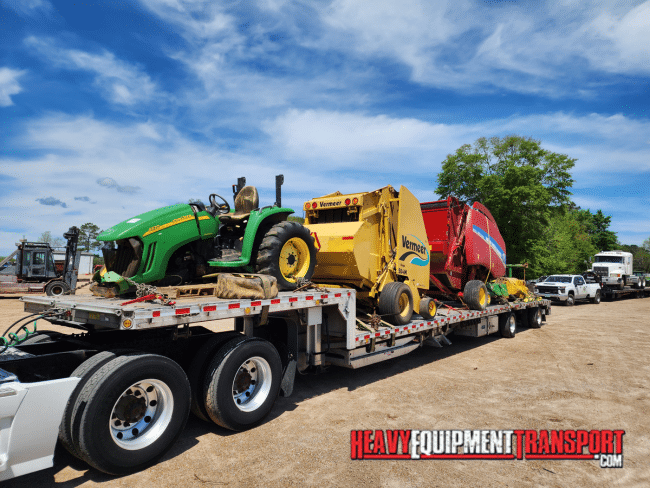
assorted equipment on trailer for transport

Reason 2: Peak Season

Freight shipping volumes tend to increase during peak shipping seasons. The supply chain might get overwhelmed when the demand is high, delaying your freight. This is a classic case of high demand and insufficient supply, stressing the supply chain and logistics system.

Seasonal demand spikes are a common cause of delays. It may also cause shipping rates to increase or a peak season fee to be implemented. Many exporters and importers split their items up into smaller shipments and ship them out ahead of time to minimize delays during peak shipping seasons.

Reason 3: Lack of Visibility

Your freight or delivery partner must understand exactly what you need from them before committing to a partnership. An essential aspect of any successful business relationship is communicating clearly and openly with each other. For your partner to meet your expectations, they must be aware of those standards from the beginning.

Inefficiencies arise when there is a lack of transparency, which can lead to a halt in the supply chain and an increase in the likelihood of missing, damaged, or delayed packages. Transparency is essential throughout the journey; this may be provided by a carrier with state-of-the-art tracking equipment and open and honest communication from the get-go.

Transport Your Equipment Today

Heavy Equipment Transport is always available for a quote. Fill out the form or give us a call now! (888) 730-2951

Reason 4: Road Conditions

This is another common reason for equipment transport delays. To a large extent, delivery times are impacted by traffic. Vehicles may be delayed due to unforeseen circumstances such as accidents, road construction, bad weather, road debris, or heavy traffic during peak travel times. A route optimization tool can help transportation companies plan their routes more efficiently in light of variable traffic conditions.

Reason 5: Port Congestion

The ports in the United States have experienced extreme congestion due to a lack of labor, storage space, and handling equipment. The Oakland port had a 7-day average stay time in the first quarter of 2022, making it one of the most congested ports in the world. Following closely behind in terms of traffic jams and ship delays are other large ports such as Charleston, Los Angeles, and Long Beach.

Buffering your shipping schedule and choosing less congested ports are two ways to mitigate this risk.

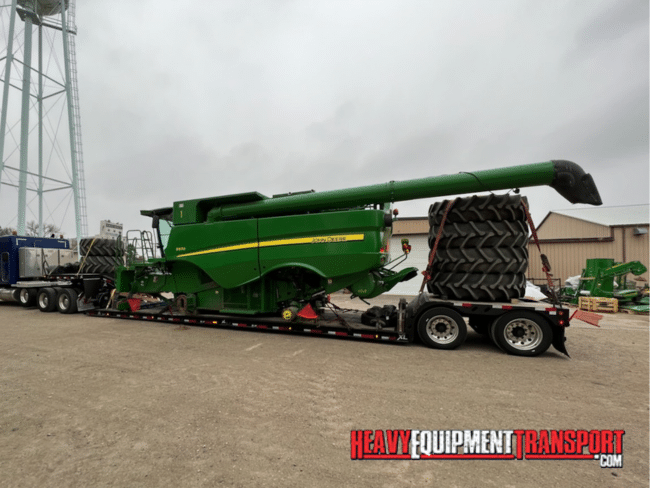
combine on RGN trailer

Reason 6: Ineffective Planning

Older shipment planning software only considers a narrow set of variables inside the shipping process rather than the larger risks that might influence the business and its clients. These methods of preparation leave delivery open to disruption due to unforeseen circumstances.

To perform a real-time supply chain risk analysis, use a transportation planning system that unifies supply chain planning with shipping execution.

Reason 7: Weather Conditions

The Federal Highway Administration (FHWA) estimates that trucking businesses lose up to $3.5 billion yearly due to weather-related delays on the road. These delays account for 23% of all traffic delays.

When it rains, freezes, blows, or snows, traffic moves more slowly, and more accidents occur. Vehicles, ships, trains, and planes are all affected by extreme weather, such as strong thunderstorms. Extreme weather events are difficult to manage logistically since they are brief, sporadic, and localized.

Reason 8: Vehicle Issues

This is a common reason for equipment transport delays. Vehicle breakdowns are a fact of life that can’t be avoided. With web-based monitoring or constant updates, a company can identify which driver is closest to a broken-down vehicle and provide help in minutes. That way, equipment delivery delays will be minimal and won’t hurt the company too much.

Key Takeaway

While it may be impossible to avoid shipment delays, learning to anticipate and prepare for potential bottlenecks may help minimize disruptions. Keeping an eye out for the problems above can help you prevent inconvenient holdups.

William Thomas

William Thomas

Heavy Transport Specialist

Being able to lead a team of such talented logistics agents has been a wonderful experience over the past ten years. If you would like to know anything more about the heavy equipment transport services we offer, don't hesitate to give us a call!
Is It Better to Use a Crane or Forklift for Equipment Loading?

Is It Better to Use a Crane or Forklift for Equipment Loading?

Heavy Equipment Transport Logo
Facebook
Twitter
LinkedIn

Francisca Olive / June 2023

When it comes to heavy equipment loading, choosing the right machinery is crucial for ensuring safety, efficiency, and accuracy. Cranes and forklifts are common alternatives for loading equipment; however, depending on the project’s requirements, each option offers a unique set of advantages and drawbacks. This article will try and settle the crane vs. forklift for equipment loading debate based on several criteria, including load capacity, mobility, and cost.

Forklifts

Consider a forklift to be a type of industrial truck. It has a lift at the front, so it can quickly move pallets and other items over short distances. Pallets and other products may be raised and lowered with the lift, making it easier to move them throughout a warehouse or other facility. A driver operates a forklift like a car driver controls a vehicle.

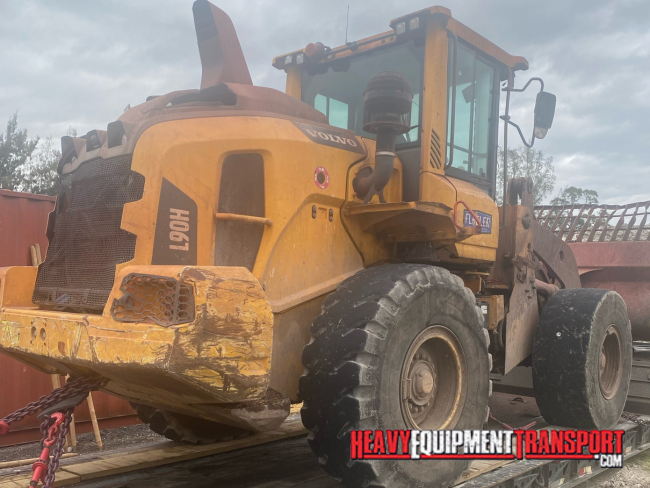
Volvo loader on trailer for transport

Pros of Forklifts

Forklifts are compact and maneuverable. Despite their size, forklifts can maneuver easily in confined spaces. Their maneuverability allows them to be used in a variety of settings, and they make lifting and moving heavy objects a breeze.

A wide range of forklifts is available, from small-capacity ones to those that can lift over 1,100 pounds. Whatever the size of your area, there is undoubtedly a forklift that will fit.

Cons of Forklifts

Forklifts usually require clear, spacious pathways. As forklifts are on wheels, they need wide aisles to maneuver and must follow a clear path.

Additionally, forklifts may sometimes need two people. While transporting a heavier weight, one person must operate the forklift while another holds the load steady.

When it comes to repairs, forklifts have a hefty price tag due to the recurrent wear and tear on parts like tires and hydraulics. Using battery-powered forklifts comes with additional costs for batteries and charging stations.

Transport Your Equipment Today

Heavy Equipment Transport is always available for a quote. Fill out the form or give us a call now! (888) 730-2951

Cranes

Overhead cranes consist of a horizontal beam that travels down the length of a warehouse’s area on tracks. They have a trolley and hoist that can pinpoint items on the warehouse floor, making it easy to make selections and move the goods to their proper locations.

Pros of Cranes

Forklifts can only stack things as high as the mast will allow them to, which means that products may need to be kept across a large area, whether on the floor of a warehouse or in a yard. An overhead crane’s increased hook height means less floor space is needed, making them a space-saver.

Electric motors are used in overhead cranes because they are more reliable and have a longer service life than gas motors or batteries. Cranes can last more than 30 years, but forklifts typically only last between 5 and 10 years, meaning you’ll save a lot of money on repairs, maintenance, and gasoline over the long haul.

Because an overhead crane only requires one operator, it is more efficient and cost-effective than a fleet of forklifts, trained forklift drivers, and a staff of maintenance professionals.

Cons of Cranes

The cost of buying an overhead crane is more than that of a forklift. Also, forklift loading is easier in tight, compact warehouse locations than crane loading.

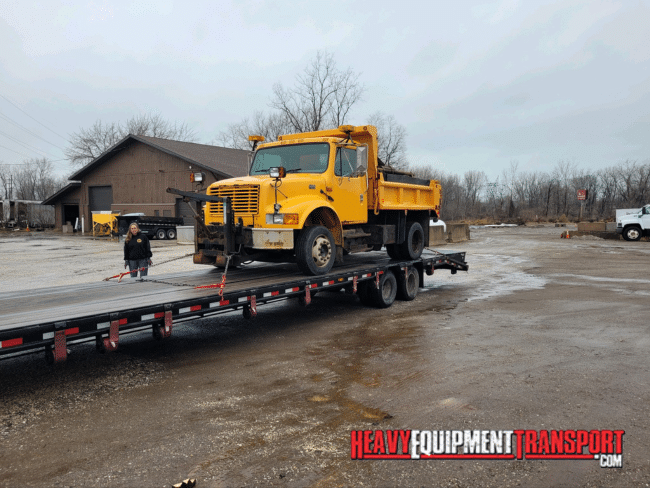
dump truck haul

Crane vs. Forklift for Equipment Loading

➤ Safety

Forklifts are not as safe as overhead cranes for several reasons. When the crane moves materials above the warehouse floor, there is greater ergonomics and better load control. Cranes are integrated into the building’s design, making it easy to move goods above the ceiling and around the building’s structural elements and storage racks without risking damage or injury.

While using forklifts, there is a higher possibility of running into warehouse employees or other floor objects. The potential for damaged goods and inappropriate stacking during shipment is also higher.

➤ Customization

Overhead crane installation is beneficial since it can be adapted to the specifics of each warehouse. For this reason, they last longer than most alternative material handling methods and require less upkeep. Compared to a forklift’s 10–15 year lifespan, overhead cranes can last up to 65 years before retirement.

➤ Cost

Overhead cranes are more expensive than forklifts, but they can pay for themselves in the long run. A crane can last up to 65 years when properly cared for and maintained. On the other hand, forklifts could only last ten years. Forklifts have a lower initial cost, but they don’t last nearly as long as cranes.

Crane vs. Forklift for Equipment Loading Assistance: Which is Better?

Forklifts would be an excellent option for your moving needs, providing your facility has sufficient open floor space. They are helpful for swiftly transporting cargo inside a large facility or between storage areas and the loading dock.

If the floor space in your facility is restricted and the items are stacked close to one another, this most likely indicates that there are many blind spots and insufficient room to drive. As far as safety and efficiency go, cranes excel under these conditions. Lifting heavy objects high above a busy warehouse or distribution center reduces the likelihood of injuries or damage to property.

William Thomas

William Thomas

Heavy Transport Specialist

Being able to lead a team of such talented logistics agents has been a wonderful experience over the past ten years. If you would like to know anything more about the heavy equipment transport services we offer, don't hesitate to give us a call!
How to Ship Equipment to Mexico

How to Ship Equipment to Mexico

Heavy Equipment Transport Logo
Facebook
Twitter
LinkedIn

Francisca Olive / June 2023

Trade between the US and Mexico exponentially increased after the North American Free Trading agreement was signed. This agreement allows for free trade between the countries and greatly benefits businesses. However, shipping equipment to Mexico can be complicated, especially if you don’t know what you are doing. The processes require proper planning, documentation, and compliance with several regulations. If you don’t have the right information, you might experience some setbacks and frustrating limitations, causing delays and increased shipping costs. We’ll walk you through the basics and requirements you need to adhere to when shipping equipment to Mexico.

Required Documents

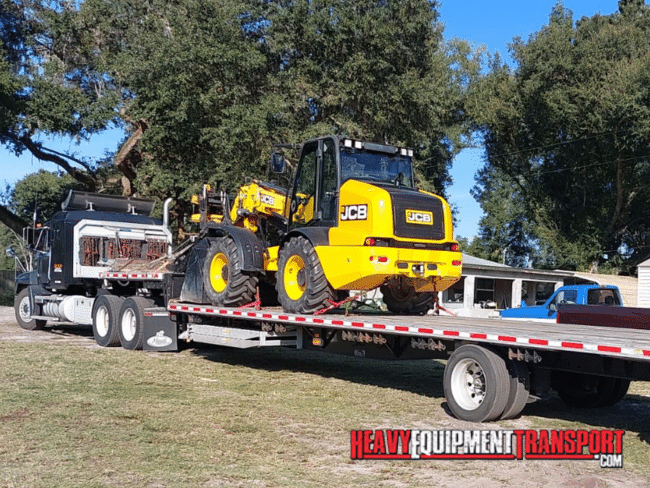
jcb tractor on step deck trailer

Every country has special shipping regulations, and it’s important to familiarize yourself with these before transporting equipment to Mexico. Ensure you have a bill of lading filled out by the buyer and carrier. This document can either be in Spanish or English and should contain details like the type of equipment, quantity of goods, and their place of origin. The shipper must also submit a commercial invoice showing the buyer’s and seller’s business addresses and the seller’s Tax ID number.

Mexican law requires that you declare the equipment’s value. Note that inaccurate declaration could lead to penalization. The shipper also needs to submit a copy of the NAFTA certificate of origin to certify the eligibility of the freight for preferential tariff. Have a professional translator translate the paperwork into Spanish for better communication throughout logistics.

Transport Your Equipment To Mexico Today

Heavy Equipment Transport is always available for a quote. Fill out the form or give us a call now! (888) 730-2951

Contact Customs Broker

If you want to ship commercial equipment to Mexico, you will benefit from the help of a customs broker. They help prepare documents, calculate taxes, and trade duties to help you cross the border quickly and avoid delays. A custom broker also keeps up with the changing regulations regarding the entry of goods into a country and can help you avoid penalties. While you can still clear your freight with customs alone, hiring a customs broker makes the shipping process much easier.

Choose the Right Shipping Service

You have two shipping options if you wish to transport equipment to Mexico. One option is the through-trail service, whereby you ship equipment from pick-up to the final destination in the same trailer. This doesn’t mean that only one driver handles your cargo. Mostly the shipping process may involve three drivers, one to pick up the load from the shipper, another one who takes the cargo through the border, and the last driver who makes the final delivery. This is the best shipping method for fragile, high-value equipment. Through-trail shipping protects your cargo from damage due to limited handling while in transition. However, the freight will still have to go through customs inspections. This is also the right shipping service for over-dimensional equipment or when you need to move the equipment urgently to an easily accessible area in Mexico.

The other option is transloading, where you transfer your freight from one truck to another during border crossing. For this option, a carrier picks up the equipment from the shipper, clears customs at the Mexico border, and then unloads the freight in a transload facility. Another driver will pick up the equipment and deliver it to the final destination. This option gives you more flexibility. However, transloading suits easily unloadable equipment. It’s also a great option when delivering equipment to remote parts of Mexico.

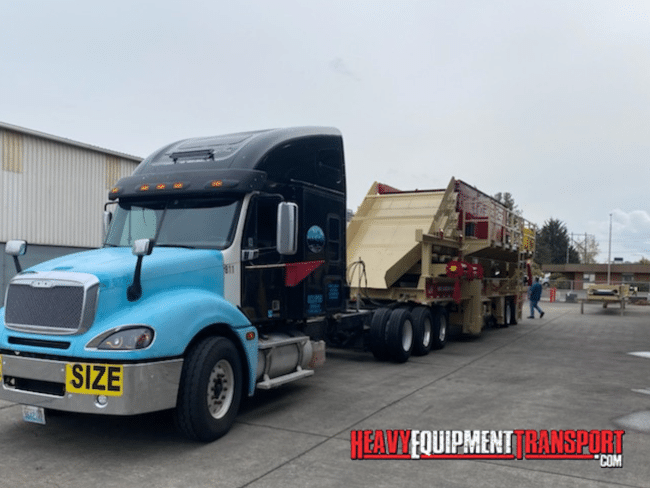
screen plant transport

Account for Handling Times and Delay

Just like shipping cargo to other international countries, you will experience customs delays in Mexico, so plan your delivery schedule accordingly. Freight handling time will depend on the carriers; therefore, pick a reliable company.

Keep in mind that Mexico has a very large geographical area. So shipping equipment in remote or hard-to-access areas will take longer and cost more. The delivery process is a bit faster in bigger cities with more infrastructure. Transit time varies based on the route, weather, holidays, and driver’s resting time.

Key Takeaway

The processes involved when shipping goods cross-border can be very intimidating. If it’s your first time shipping to Mexico, you must familiarize yourself with legal procedures and complete the required paperwork. Any single mistake could lead to penalties and delays. As such, partner with a reliable shipping company. Professionals will get all the hard work done, and you won’t have to worry whether your freight safely crossed the border or reached the final destination on time.

William Thomas

William Thomas

Heavy Transport Specialist

Being able to lead a team of such talented logistics agents has been a wonderful experience over the past ten years. If you would like to know anything more about the heavy equipment transport services we offer, don't hesitate to give us a call!