Ultimate Crane Hauling Guide
Article Contents
Share
Types of Cranes: Your Ultimate Crane Use and Hauling Guide
Cranes have been essential lifting machines since approximately 600 BC. The ancient Greeks developed the cranes that made the iconic architecture of the Parthenon possible. In 1838, British engineer William Armstrong invented the hydraulic crane, taking the concept to a whole new level.
Today, crane machines make vital contributions across many sectors of the economy. Construction, energy, industrial, port, and infrastructure are all important examples.
Every type of crane comes with distinct specifications, like weight, boom length, mobility, and structural design. These specs determine how a crane or its component parts get transported. The type of crane influences trailer selection, permit requirements, disassembly needs, and rigging. Luckily, Heavy Equipment Transport is a specialist in shipping mobile cranes, crawler cranes, tower crane components, and oversized crane loads safely and compliantly.
Why Understanding Crane Types Matters For Transport
When moving cranes, complex variables are in play. Crane classes impact trailer selection, load planning, permitting, and more. Those involved in crane hauling must understand crane classes to avoid:
- Delays
- Equipment mismatches
- Safety hazards
Successful crane hauling depends on a thorough knowledge of state regulations. Crane height, boom length, and track width impact route surveys, pilot car requirements, and teardown needs.
Accordingly, logistics coordinators often use crane transport services like Heavy Equipment Transport for routing, scheduling, and delivery expertise.
The Most Common Types Of Cranes
In general, cranes fall into one of three categories: mobile, fixed, or specialized. Each comes with different transport demands.
Mobile Cranes
Mobile cranes are often used for short-term lifts and at construction sites. They are also deployed for the repair or replacement of larger equipment. One advantage is that they move independently along roadways and at job sites. Successful mobile crane transport requires careful attention to weight distribution and boom placement.
Truck-Mounted Cranes
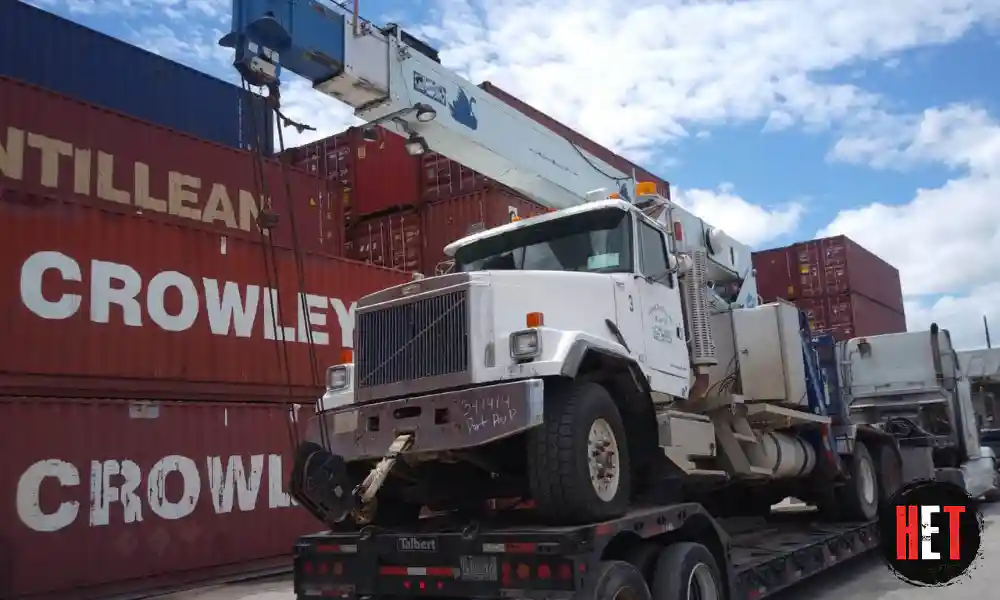
Truck-mounted cranes are integrated into the vehicle’s chassis. They are often used by utilities and at urban construction sites. It is possible to drive it to the job site, if nearby. Logistics professionals often turn to truck-mounted crane transport for longer trips, however. Outriggers and accessories are often shipped separately.
Gantry Cranes
Gantry cranes are on legs mounted on wheels or fixed rails. They are found in ports, shipyards, intermodal facilities, and manufacturing plants. Gantry crane transport often requires the disassembly of legs, girders, beams, and hoists. Due to the size of the machine, RTG crane hauling usually involves multiple loads.
All-Terrain Cranes
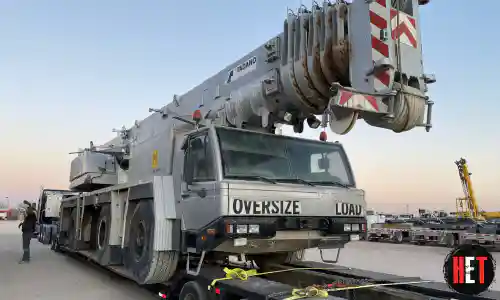
All-terrain cranes are used in energy, industrial construction, and infrastructure. They are deployed in both on-road and off-road applications. All-wheel steering and independent suspensions deliver needed maneuverability. All-terrain crane transport is a type of oversize crane hauling often demanding disassembly, special permitting, and escort vehicles.
Rough-Terrain Cranes
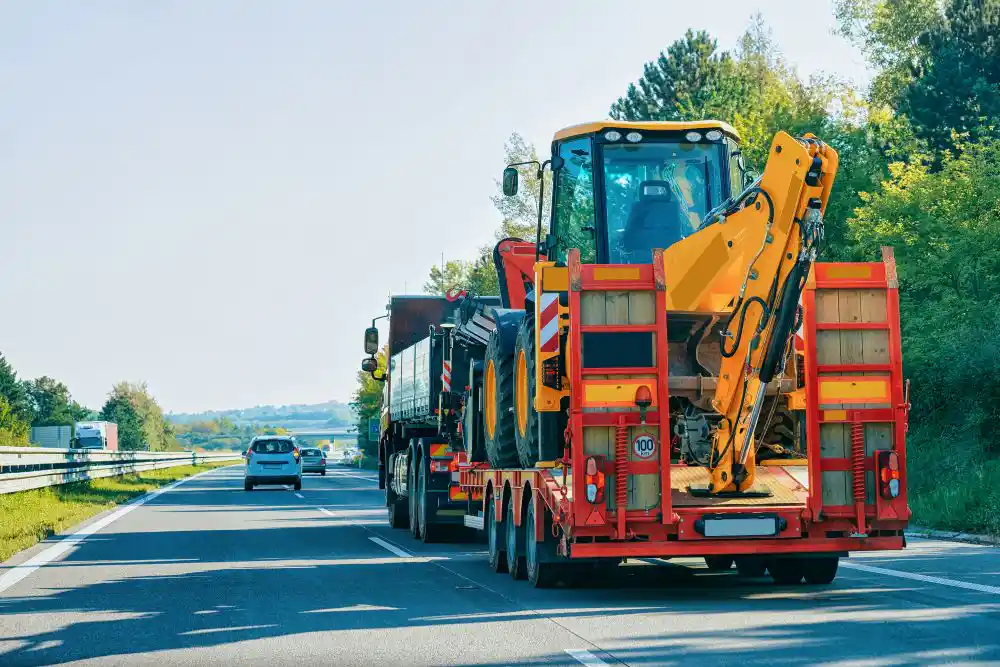
Rough-terrain cranes feature single-cab designs that better accommodate more extreme topography. They are commonly used in oil fields and power plant construction. Rough-terrain crane shipping typically involves the use of a lowboy or RGN trailer.
Crawler Cranes
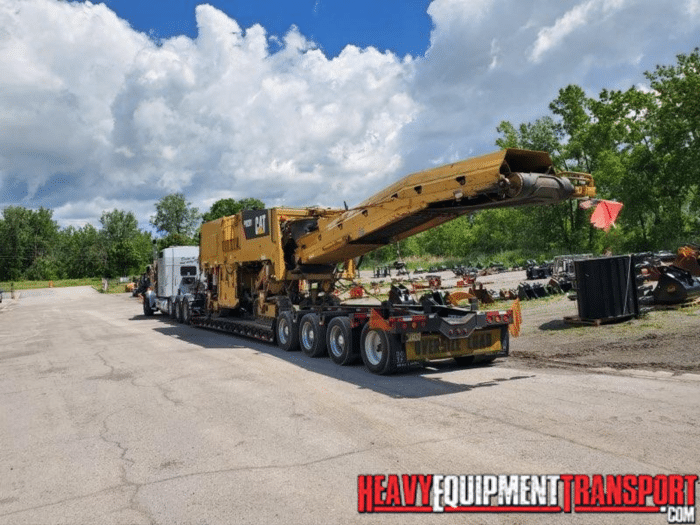
Track-mounted crawler cranes are massive, with the largest ones boasting lifting capacities of more than 3,000 tons. Crawler cranes perform heavy lifts at wind farms, industrial facilities, and other megaprojects. Crawler crane transport requires the disassembly of boom sections, counterweights, and crawlers, usually in multiple loads.
Tower Cranes
Tower cranes are tall, fixed structures used in high-rise construction and commercial developments. Tower crane transport is a complex process requiring multiple truckloads. Successful tower crane component hauling requires precise staging and carefully coordinated rigging.
Telescopic Cranes
Telescopic cranes feature extendable booms for lifting flexibility. They are commonly used in general construction and utility work. Boom length often impacts the nature of telescopic crane shipping. A longer boom may require an oversize permit, for example.
Knuckle-Boom (Articulating) Cranes
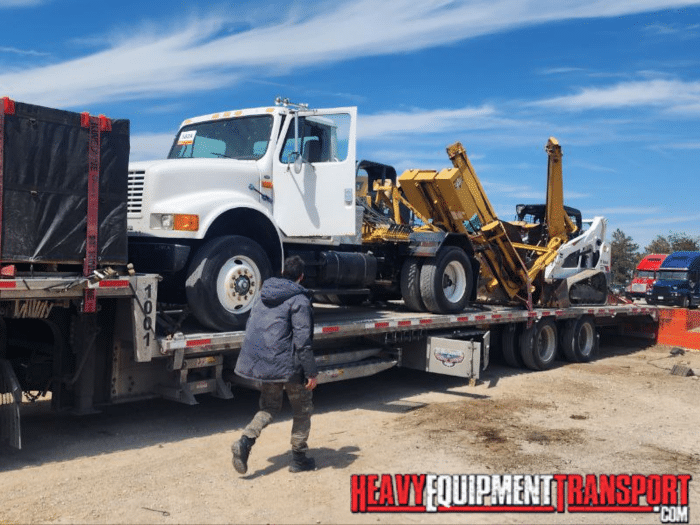
Project managers turn to knuckle-boom cranes for material delivery in tight spaces, as well as in forestry, logistics yards, and material handling. Many of these cranes are compact enough for flatbed hauling. Knuckle-boom crane hauling may also involve truck-mounted rigs.
Carry Deck Cranes
Carry deck cranes are highly maneuverable and capable of navigating tight spaces. They are used in factories, refineries, and for industrial maintenance. Designs typically include a 360-degree rotating boom and a flat deck. Carry deck crane shipping usually involves the use of standard flatbeds.
Floating / Marine Cranes
Marine crane systems are mounted on barges or floating platforms. Floating cranes are used in shipyards and for offshore work. Marine crane transport often occurs via heavy hauls coordinated with maritime terminals.
Railroad Cranes
Railroads use rail-mounted cranes for track construction, repair, and maintenance. They are also indispensable for emergency recovery in the event of a derailment. Railroad crane hauling occurs either by rail or road using specialized trailers.
Overhead / Bridge Cranes
Steel mills and other heavy manufacturing often rely on the use of overhead cranes. Components include a horizontal bridge, hoist trolley, and single or double girders. Overhead crane transport often requires disassembly into girders, rails, and hoist components.
Container Yard & RTG Cranes (Stack Cranes)
Container yard and RTG (rubber-tire gantry) cranes lift and stack shipping containers. They are popular in ports and intermodal yards. Container crane transport often requires multi-load disassembly, particularly for big stack cranes. It is possible to haul certain smaller container cranes without taking them apart.

How Crane Type Impacts Transport Requirementsy
The type of crane impacts a variety of transport decisions. Trailer selection, boom removal, pilot cars, and permitting are all examples.
Trailer Selection
Successful crane transport begins with expert trailer selection:
- Lowboy: This common type of trailer lowers a load’s center of gravity for enhanced stability and increases clearances.
- Removable Gooseneck (RGN): With an RGN trailer, the hitch gets mounted to the box of the truck. When appropriate, RGNs allow for permit-free hauling of a crane or crane components.
- Multi-axle: Trailers with extra axles better distribute the weight of heavy loads.
- Stretch deck:An extendable flatbed trailer with a sliding mechanism for extending the cargo bed. It is ideal for cranes with long booms and other very large crane components.
- Schnabel: A specialty trailer with hydraulic arms and special latching to secure irregularly shaped cargo.
Trailer sizes vary a great deal. A 35-ton trailer can handle smaller cranes and crane components. A 55- or 65-ton trailer may be the choice for larger cranes or big, heavy components.
Boom Removal And Crane Disassembly
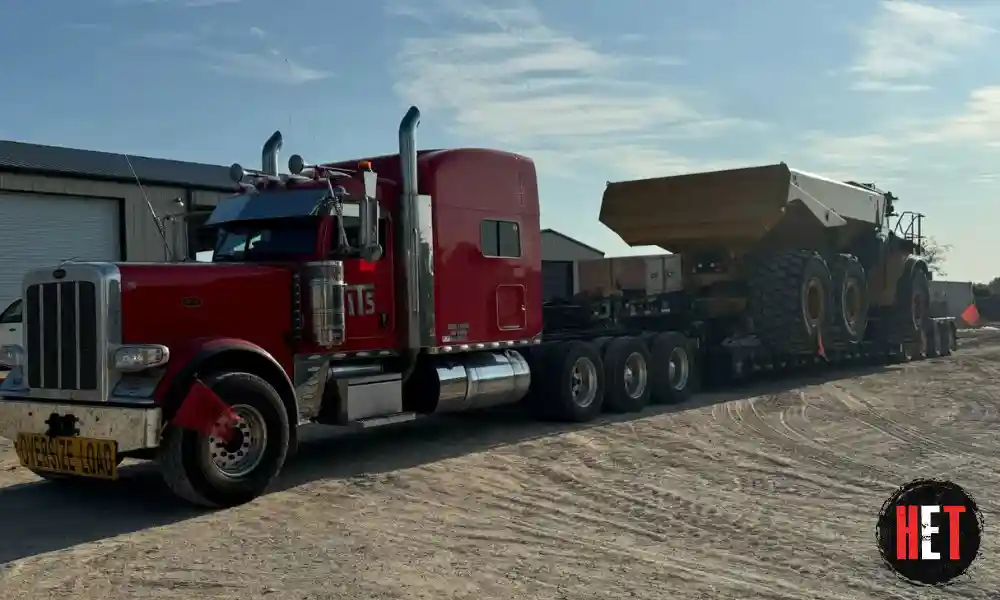
Disassembly is often required for very large lifting machines like tower cranes and crawler cranes. Auxiliary cranes may assist with disassembly as well as loading components onto trailers.
Weight Distribution And Axle Load Limits
Ultra-heavy cranes and components often need multiple-axle trailers for compliant weight distribution. These limits protect infrastructure, promote safety, and ensure compliance. Overloaded axles decrease stability and increase braking distances. Onboard scales and weight distribution software assist with load balancing.
Height And Width Clearance Planning
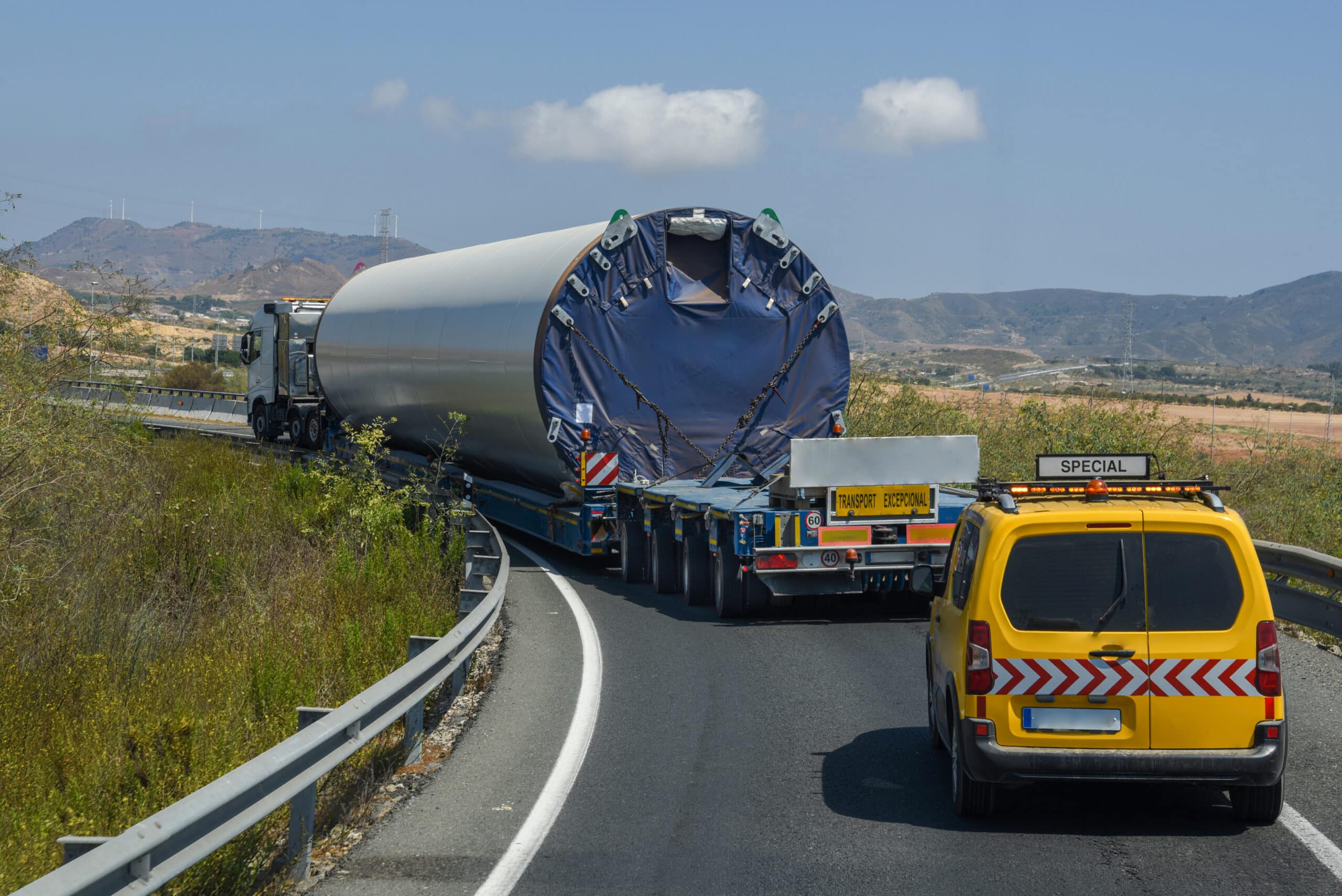
Route surveys ensure that the load fits within all height and width limits along the selected route. Permit applicants must establish that the haul will clear overpasses and other obstructions.
Planners determine:
- Bridge ratings
- Condition of roadways
- Lane widths and turning radii
- Traffic control points
Pilot Cars And Escort Vehicles
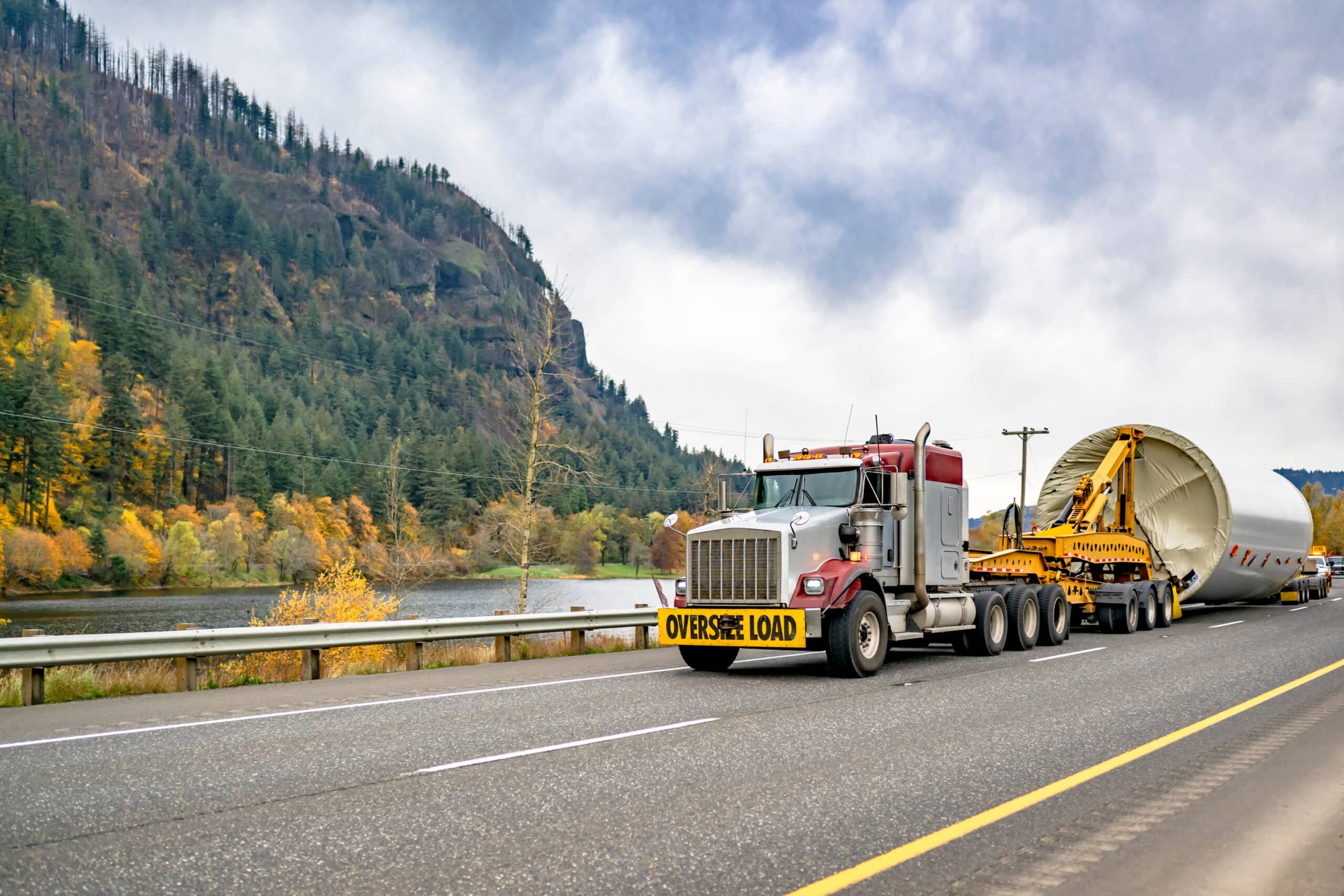
Heavy crane transport requires a pilot car when any of the following apply:
- Weight exceeds 80,000 pounds
- Width greater than 12 feet
- Height greater than 14.5 feet
- Length exceeds 90-100 feet (varies by state)
State-By-State Oversize Permits
Transporting various types of cranes often requires permits that vary by state. For permit applications, examples of required information include:
- Purpose of the move
- Timing of the move
- Designated route
- Comprehensive vehicle and load dimensions
- Axle weight distribution
- Proof of insurance
Rigging And Loadout Coordination
A load’s weight, shape, and center of gravity are all factors in the pre-lift assessment. Riggers select from many kinds of specialized equipment, ensuring safe hoisting and shipping:
- Slings (synthetic, chain, or wire rope)
- Shackles (round-pin, screw-pin, bolt-type)
- Lifting beams
- Pulleys (single, double)
- Blocks (tilt-up, swivel, snatch, square)
- Turnbuckles
- Hooks (swivel, eye, and C-hooks)
Logistics professionals work with heavy haul specialists for safe and efficient crane hauling. Heavy Equipment Transport handles crane transport across the United States, Canada, and Mexico.

EXPERTISE YOU CAN TRUST
Need specialized heavy equipment shipping?
Our expert logistics agents have the solutions you need.
How Heavy Equipment Transport Moves Cranes Safely and Efficiently
Heavy Equipment Transport's extensive resources meet a wide range of crane transport needs:
- Specialized RGN and lowboy trailers
- Multi-axle configurations
- Rigging coordination
- Yard-to-site scheduling
- Nationwide permits
- Expert handling of crane booms, counterweights, and crawler assemblies.
Heavy Equipment Transport specializes in safe, compliant crane transport. We ship oversized crane loads, including mobile cranes, crawler cranes, and tower crane components. We deliver peace of mind through real-time updates, single-point communication, and on-time performance.
Conclusion
Heavy Equipment Transport hauls cranes of every class, size, and configuration. Our expert team handles route planning, permits, customs paperwork, and escort coordination. Specialist haulers and drivers offer loading and unloading help as needed.
For every crane haul, our team assesses all statutory and safety requirements. They ask important questions like:
- What type of trailer is appropriate?
- What axle configuration is required?
- Is a pilot car required?
- What permitting is needed, if any?
We account for shipping origin and destination, size, weight, and schedule. If the pickup or dropoff point lacks space or needed loading equipment, we'll bring everything needed for safe and efficient handling.
Heavy Equipment Transport is your one-stop transport shop. Let us put our industry-leading hauling experience to work for you. We deliver quality crane shipping solutions across the U.S., Canada, and Mexico.
Simply tell us about your crane and where it needs to go, and we will get it there. For prompt and professional assistance, please give us a call at (888) 730-2951.
LET US HANDLE YOUR
HEAVY EQUIPMENT SHIPMENT
We've got the know-how and the haul power
to get it done right.
Call now to speak directly with a transport expert - no waiting, no guesswork.
FAQ
What are the most common types of cranes used in construction and heavy industry?
Cranes capable of working in tight spaces on uneven terrain are often selected. Booms with a long reach are also popular. Examples include all-terrain, telescopic, mobile, and truck-mounted cranes.
How does crane type affect transportation and permitting requirements?
Heavy haul crane transport is subject to permitting requirements that vary from state to state. Very large cranes require disassembly into transportable components.
What trailer is best for hauling a crawler crane or crane components?
Flatbeds often haul crawler crane components. For larger loads, lowboys deliver stability and optimal height clearance.
Do cranes need to be disassembled before transport?
Not always. It is possible to move certain smaller cranes as is.
How does Heavy Equipment Transport safely move oversized or overweight cranes?
Disassembly makes it possible to move very large cranes. Long, multi-axle trailers can still handle certain larger cranes.
Can Heavy Equipment Transport haul crane booms, counterweights, and other components?
Yes, we haul all kinds of crane components. To complete the haul, we use lowboy, RGN, and other trailers as appropriate.