How to Choose the Right Equipment Trailer

How to Choose the Right Equipment Trailer

Heavy Equipment Transport Logo
Facebook
Twitter
LinkedIn

William Thomas / January 2021

Trailers are indispensable utility vehicles for hauling heavy and oversized loads. With many trailer types available, choosing the right one for your business operations or to ship your freight can be confusing. But what should you look for when looking for the best trailer? Read on to learn more about the details of determining the correct type of trailer for your equipment transport, the most common trailers for oversize load shipping, and the benefits of choosing the right trailer for equipment hauling.

Choosing The Right Trailer To Transport Your Heavy Equipment
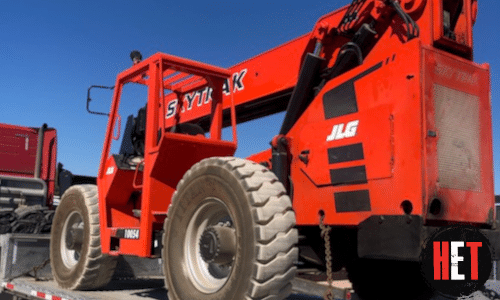
Transporting a 2016 JLG Sky Trak 10054 Telehandler

“The right trailer provides the required load capacity, stability, and safety features for seamless transportation of oversize loads.”

Trailers come in different types, each serving specific purposes. For instance, a trailer that ships liquefied loads differs from one that hauls heavy equipment like a combine. Here are key factors that determine the kind of trailer for equipment transport:

Load Capacity

Before choosing a trailer for your equipment:

  1. 1. Determine the maximum weight your trailer can carry.
  2. 2. Determine the weight of items you will be hauling and ensure the type of trailer you choose can transport them comfortably.
  3. 3. Check the weight restrictions on your towing equipment to avoid exceeding the maximum weight limit.

Trailer Size

Trailers come in different sizes. Before hauling your equipment, consider its dimensions and determine the best trailer.

Determine your Needs

Before purchasing a utility trailer, determine your needs to make more informed decisions. Start by identifying the primary purpose of your trailer and consider how often you will use it. For instance, a trailer used to ship construction materials differs from the one you can use to ship carnival equipment like amusement rides.

Deck Material

Equipment trailers come in different decks, including wooden and steel decks, and each has advantages. So, you choose one that aligns with your load capacity and durability needs.

Hitch Type

When choosing a trailer to haul your equipment, choose a hitch that matches your towing truck. For instance, if you are looking for a hitch type that offers stability for oversized and heavy loads, then RGN hitches are the best options. Bumper hitches are best suited for smaller equipment.

Quality

When buying a heavy equipment trailer, you should consider one of top quality to maximize efficiency. It would help if you researched more about different trailer manufacturers or providers to get the best quality trailer with heavy load-bearing capacity.

Transport Your Heavy Equipment Today

Heavy Equipment Transport is always available for a quote. Fill out the form or give us a call now! (888) 730-2951

What Are The Most Common Types Of Trailers for Oversize Load Shipping

Heavy-duty equipment trailers are used in industries, including manufacturing facilities, construction sites, and distribution centers. These trailers are categorized according to axle category, which includes 5, 6, 7, 8, 10, 13, and 19. Trailers with higher axle capacity can carry more load.

These trailers include:

Standard Flatbed Trailer

Standard flatbed trailers are common types of oversized load shipping trailers that carry heavy loads weighing up to 48,000 pounds and as long as 48 to 53 feet, depending on the length of the trailer. These trailers can be 48′ to 53′, depending on the trailer’s capacity, allowing them to carry equipment.

Step-Deck Trailer

Step-deck trailers are the same as flatbed trailers except that they have two deck heights. These are among the most popular trailers. The overall deck’s length is 43 to 53 feet, with the upper deck being 11 feet long and the lower deck measuring 37 to 41 feet.

Flatbed Spread Axle Trailer

A flatbed spread axle trailer is similar to a standard flatbed trailer, except they have different rear axles. These trailers have single axles spread apart at a more considerable distance than a standard flatbed with tandem axles.

Lowboy Trailer

Lowboy is a specially designed trailer to move overweight and over-height goods. These trailers are very close to the ground compared to other trailer types. They are mostly preferred for transporting tall machinery weighing between 40,000 and 80,000 pounds.

Other Types of Equipment Trailers

Other equipment trailers include:

  • • Drop Deck Trailer
  • • Landoll Trailer
  • • Conestoga Trailer
  • • Removable Goose Neck (RGN) Trailer
  • • Stretch Removable Gooseneck Trailer
  • • Extendable Drop-Deck Trailer
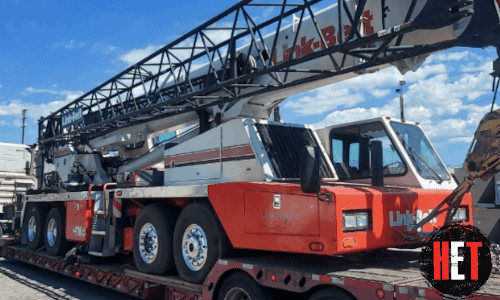
Transporting a crane on a lowboy trailer

Choosing the Right Trailer for Heavy Equipment Hauling Is Essential

Choosing the right trailer for equipment hauling is necessary to ensure a hitch-free hauling. The right trailer provides the required load capacity, stability, and safety features for seamless transportation of oversize loads. On the other hand, a wrong trailer can lead to equipment damage, legal issues, and safety hazards.

We understand the benefit of choosing the right equipment to haul heavy machinery at Heavy Equipment Transport. We also have various trailers with different axle capacities, ensuring your valuable equipment is shipped safely and efficiently.

William Thomas

William Thomas

Heavy Transport Specialist

Being able to lead a team of such talented logistics agents has been a wonderful experience over the past ten years. If you would like to know anything more about the heavy equipment transport services we offer, don't hesitate to give us a call!
4 Equipment Transport Trends for 2024

4 Equipment Transport Trends for 2024

Heavy Equipment Transport Logo
Facebook
Twitter
LinkedIn

William Thomas / January 2024

As we move into 2024, the transport industry is going through a period where it must be innovative and dependable! In 2023, the machinery and heavy equipment transportation sector experienced a change in speed never seen before.

This blog will focus on what major events occurred in the past and try to uncover visual clues about where heavy machinery transportation is headed over the coming months. It’s worth checking whether you’re at the top of this field or a novice.


A Recap of Heavy Equipment Shipping in 2023

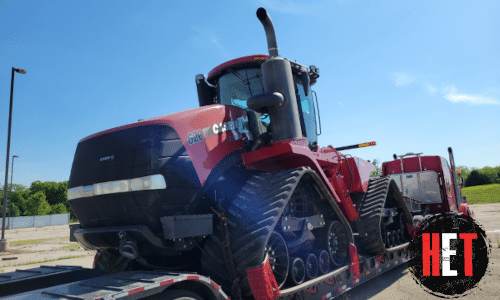
Case IH 620 Quadrac Tractor loaded for transport.

“The industry has seen increasing demand for transporting oversized loads such as heavy construction machines and other woods, but normal ones too.”

Before we set our sights on 2024, we must review what happened in the equipment hauling sector last year. In 2023, the industry has seen increasing demand for oversize loads such as heavy construction machines, other woods, and normal ones.

The growth of industrial sectors and rising demand for better equipment means a need to transport heavy machinery even further. This year, the hauling companies’ services brought more freight across America’s highways.

In addition to automobiles, they hauled all manner, from mobile homes that are 12 feet wide and 75 feet long, just above legal limits for width on highways, to a single, wingless fighter plane encompassed within four semi-trailers.

.

Key Highlights of 2023:

  • • Technology Integration: Using new tools like GPS and live watching changed; this made sending things faster and also kept costly items safe.
  • • Sustainability Initiatives: Today, many businesses are focusing more on the environment and using green practices. Many companies are changing their extensive equipment, moving fleets to electric or mixed models.
  • • Regulatory Challenges: Dealing with rules, especially for oversize loads, was still a significant problem. Businesses had to change fast with new regulations and standards so their supply chain didn’t get messed up.


Transport Your Equipment Today

Heavy Equipment Transport is always available for a quote. Fill out the form or give us a call now! (888) 730-2951

What To Expect From The Heavy Equipment Shipping Industry in 2024

Now, let’s discuss the future and what might change in 2024. Let’s examine what will happen in the area of moving equipment:

  • • AI and Automation Integration: Transporting equipment will soon become much easier due to the introduction of AI and automation technology. Predictive analytics can help improve route planning by minimizing delays and increasing fuel efficiency. Incorporating an automated loading and unloading system and autonomous vehicles will serve as an excellent basis for decreasing operational costs and increasing efficiency.
  • • Digitalization of Documentation: No more tedious paperwork for you. Digitalization will bring a massive change in the documentation field.
  • • Advanced Safety Measures: Advanced safety technologies are predicted to be more commonly implemented in 2024 to prioritize safety. These technologies provide cargo protection as well as improve overall safety during transportation.
  • • Sustainable Energy Adoption: The push for being environmentally friendly is growing stronger. By 2024, using other fuels and electric cars for transportation will become more popular.
  •  
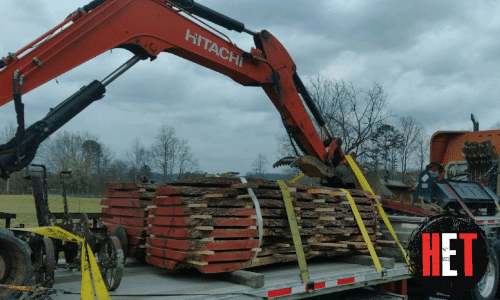
Hitachi excavator loaded for transport

Finding a Reliable Heavy Equipment Shipping Company

Selecting a proper equipment hauling company in the quick-moving industry is critical. As you prepare to navigate the intricacies of 2024, consider the following factors when choosing a partner:

  • • Experience and Expertise: Can you suggest a corporation with a history of shipping different types of goods? That experience is vital when dealing with large shipments and complex transportation.
  • • Technology Integration: Choose a business that is tech-friendly. Using technology in transportation ensures transparency and efficiency throughout the process, making it more convenient and efficient for all involved. This includes GPS tracking and digital documentation.
  • • Compliance and Safety: Ensure the company follows the rules and standards so everyone is safe.
  • • Environmental Initiatives: Inquire about their efforts to adopt eco-friendly practices and reduce carbon emissions.
  • • Customer Reviews and References: Exploring customer feedback and searching for recommendations is essential before agreeing. A business needs to have a good reputation and show its client base.
  • • Insurance: Verify the extent of insurance coverage for your equipment during transit, safeguarding against unforeseen events.
  •  

Reliable Heavy Machinery Transport

The truck-moving business is ready for change. The following year will be filled with surprises and considerable progress because of technology, dedication to saving the environment, and our ongoing work on fixing issues. When you ship equipment with a trustworthy partner, you can rest assured that everything will go smoothly. Therefore, here’s to a year of innovation and success in our field!


Heavy Equipment Transport provides transportation solutions for heavy machinery and machines. If you need a reliable equipment shipping company, call us.

William Thomas

William Thomas

Heavy Transport Specialist

Being able to lead a team of such talented logistics agents has been a wonderful experience over the past ten years. If you would like to know anything more about the heavy equipment transport services we offer, don't hesitate to give us a call!
The Most Common Reasons Equipment Transport Gets Delayed

The Most Common Reasons Equipment Transport Gets Delayed

Heavy Equipment Transport Logo
Facebook
Twitter
LinkedIn

Francisca Olive / June 2023

Delays are not uncommon and often occur without prior warning. Your organization has to work with a carrier with extensive expertise in preventing, navigating, and avoiding delays for its customers, as there are many potential causes. Read on to learn some of the common reasons for equipment delivery delays.

Reason 1: Issues with Documentation

A lack of proper documents is a common reason for equipment transport delays. Shipping freight involves documents such as a bill of lading, commercial invoice, certificate of origin, and any applicable special certificates. If documents are missing, an extra customs check will need to be performed, which will cause a delivery delay.

Clearance times are lengthened, and shipments are often refused entry due to mistakes in details like the country of origin, HS code, and product specifications.

Your paperwork will be thoroughly examined from the initial port of call to loading, unloading, transfers, and customs. If your handwriting is legible, you can speed up the delivery of your items. Illegible or poorly printed documents might slow down the customs clearance process.

Important details about your shipment should be included on the shipping label. Labeling your shipment incorrectly might cause problems at the customs office or cause it to be lost in transit.

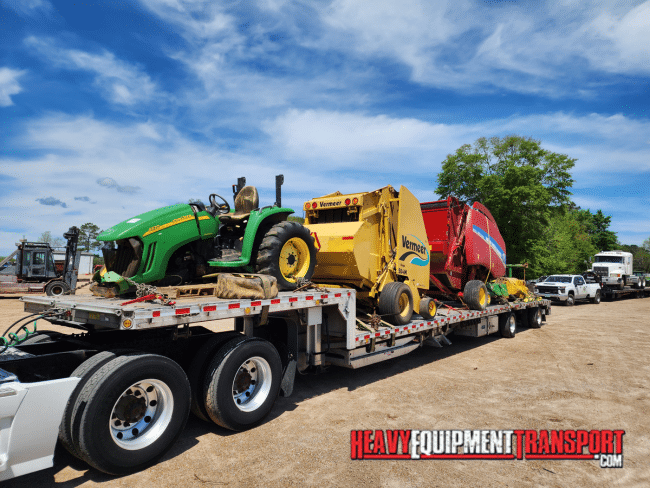
assorted equipment on trailer for transport

Reason 2: Peak Season

Freight shipping volumes tend to increase during peak shipping seasons. The supply chain might get overwhelmed when the demand is high, delaying your freight. This is a classic case of high demand and insufficient supply, stressing the supply chain and logistics system.

Seasonal demand spikes are a common cause of delays. It may also cause shipping rates to increase or a peak season fee to be implemented. Many exporters and importers split their items up into smaller shipments and ship them out ahead of time to minimize delays during peak shipping seasons.

Reason 3: Lack of Visibility

Your freight or delivery partner must understand exactly what you need from them before committing to a partnership. An essential aspect of any successful business relationship is communicating clearly and openly with each other. For your partner to meet your expectations, they must be aware of those standards from the beginning.

Inefficiencies arise when there is a lack of transparency, which can lead to a halt in the supply chain and an increase in the likelihood of missing, damaged, or delayed packages. Transparency is essential throughout the journey; this may be provided by a carrier with state-of-the-art tracking equipment and open and honest communication from the get-go.

Transport Your Equipment Today

Heavy Equipment Transport is always available for a quote. Fill out the form or give us a call now! (888) 730-2951

Reason 4: Road Conditions

This is another common reason for equipment transport delays. To a large extent, delivery times are impacted by traffic. Vehicles may be delayed due to unforeseen circumstances such as accidents, road construction, bad weather, road debris, or heavy traffic during peak travel times. A route optimization tool can help transportation companies plan their routes more efficiently in light of variable traffic conditions.

Reason 5: Port Congestion

The ports in the United States have experienced extreme congestion due to a lack of labor, storage space, and handling equipment. The Oakland port had a 7-day average stay time in the first quarter of 2022, making it one of the most congested ports in the world. Following closely behind in terms of traffic jams and ship delays are other large ports such as Charleston, Los Angeles, and Long Beach.

Buffering your shipping schedule and choosing less congested ports are two ways to mitigate this risk.

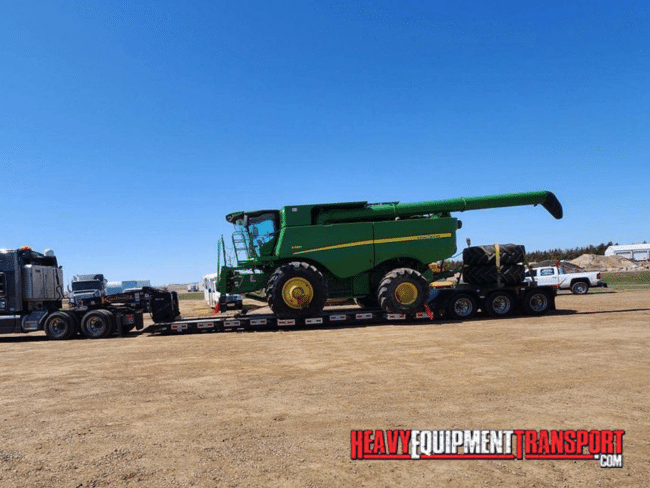
combine on RGN trailer

Reason 6: Ineffective Planning

Older shipment planning software only considers a narrow set of variables inside the shipping process rather than the larger risks that might influence the business and its clients. These methods of preparation leave delivery open to disruption due to unforeseen circumstances.

To perform a real-time supply chain risk analysis, use a transportation planning system that unifies supply chain planning with shipping execution.

Reason 7: Weather Conditions

The Federal Highway Administration (FHWA) estimates that trucking businesses lose up to $3.5 billion yearly due to weather-related delays on the road. These delays account for 23% of all traffic delays.

When it rains, freezes, blows, or snows, traffic moves more slowly, and more accidents occur. Vehicles, ships, trains, and planes are all affected by extreme weather, such as strong thunderstorms. Extreme weather events are difficult to manage logistically since they are brief, sporadic, and localized.

Reason 8: Vehicle Issues

This is a common reason for equipment transport delays. Vehicle breakdowns are a fact of life that can’t be avoided. With web-based monitoring or constant updates, a company can identify which driver is closest to a broken-down vehicle and provide help in minutes. That way, equipment delivery delays will be minimal and won’t hurt the company too much.

Key Takeaway

While it may be impossible to avoid shipment delays, learning to anticipate and prepare for potential bottlenecks may help minimize disruptions. Keeping an eye out for the problems above can help you prevent inconvenient holdups.

William Thomas

William Thomas

Heavy Transport Specialist

Being able to lead a team of such talented logistics agents has been a wonderful experience over the past ten years. If you would like to know anything more about the heavy equipment transport services we offer, don't hesitate to give us a call!