How to Move a Shipping Container

How to Move a Shipping Container

Heavy Equipment Transport Logo
Facebook
Twitter
LinkedIn

Francisca Olive / June 2023

Because of their longevity, adaptability, and low cost, shipping containers are becoming an increasingly attractive option for housing, transit, and storage purposes. Moving a shipping container can be challenging, especially if you do not have the appropriate equipment or skills. Several steps are involved in the moving process, from choosing the right equipment to preparing the container for transport. This article will provide a comprehensive guide on how to move a shipping container covering everything you need to know.

Moving a Shipping Container

Think about where you want to put your shipping container before you try to move it. Naturally, it needs to be in a location that is easily accessible for its use, whether that be in a public garden, on a construction site, or even in a nature preserve. You should also try to locate a spot that receives little to no direct sunlight and is shielded from the wind and rain as much as possible. Even though they were made to withstand the rough conditions at sea, the more protected they are, the longer they will last.

The land you plan to use must also be adequately prepared. If you’ve ever tried to use a chair and table on uneven ground, you’ll know why it’s essential that the area be leveled off first before the container is delivered. Also, ensure the land has a sturdy foundation by laying down cement, paving stones, or railway sleepers.

Methods of Moving Shipping Containers
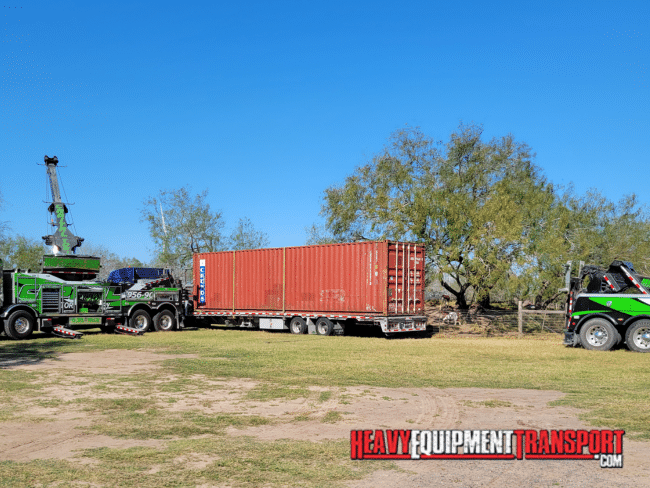
container haul

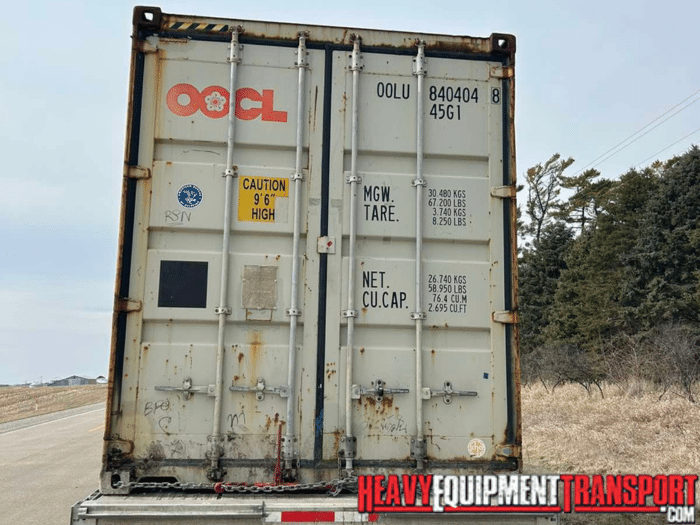
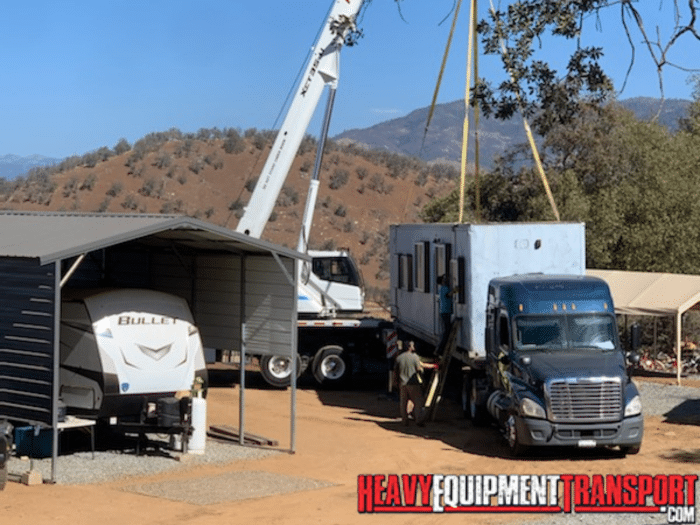
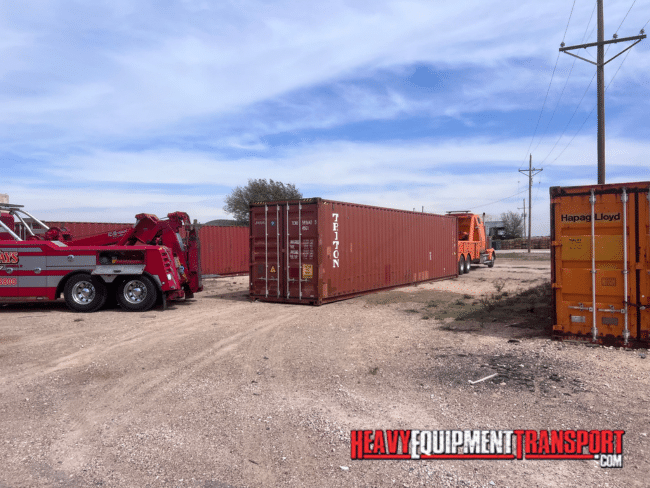
Trucks are the most popular method for transporting containers from one location to another. If you choose this option, think about the container’s size and how easy it will be to get it where it has to go. The secret is finding reliable shipping container movers who can advise you on the best mode of transport to ensure swift, secure, and timely delivery.

Tilt Bed Trailers

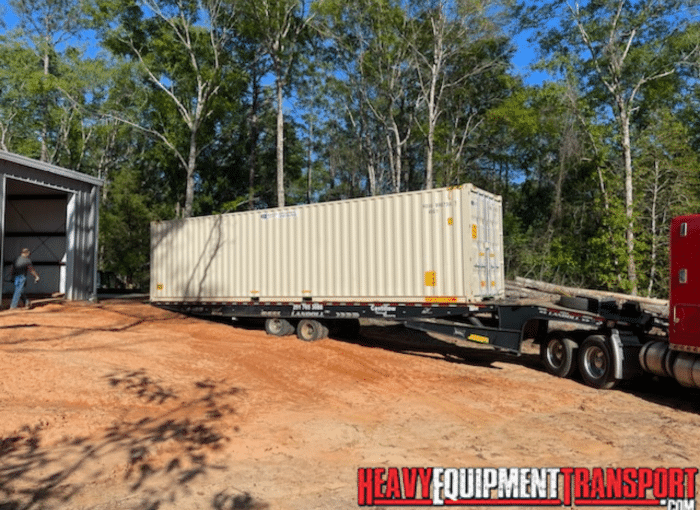
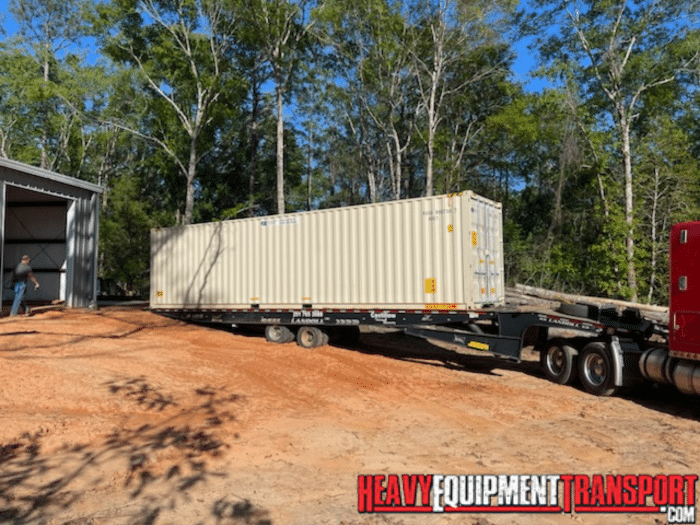
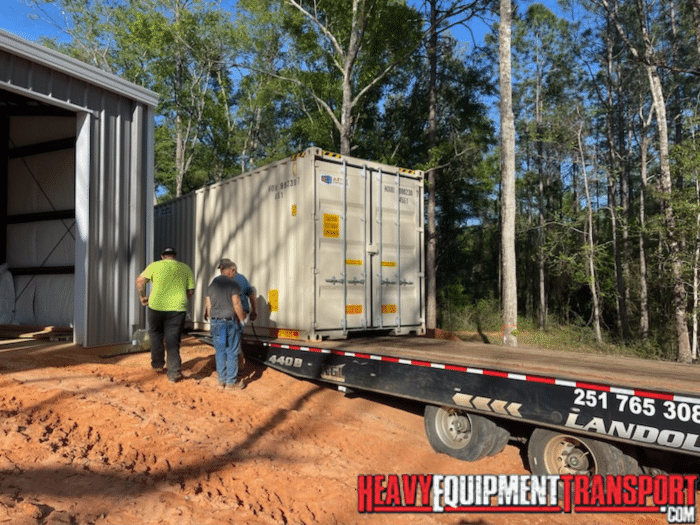
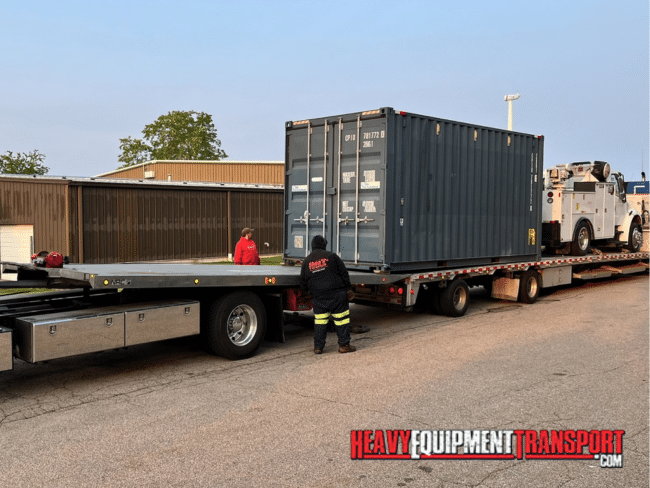
Tilt bed trailer transport is one of the most efficient and secure ways to move a shipping container, particularly when traveling less than 200 miles. Ensure the trailer has enough room to back up and the unloading area is clear so the container can side off during the unloading process. Furthermore, the soil must be dry, hard, and level. Tilt bed trailers have the advantage of allowing the driver to unload the container without the need for equipment like cranes or forklifts. Remember that your shipping container will be tipped at some point, and the contents may shift, so consider securing any items in the container before driving off.

Flatbed Trailers

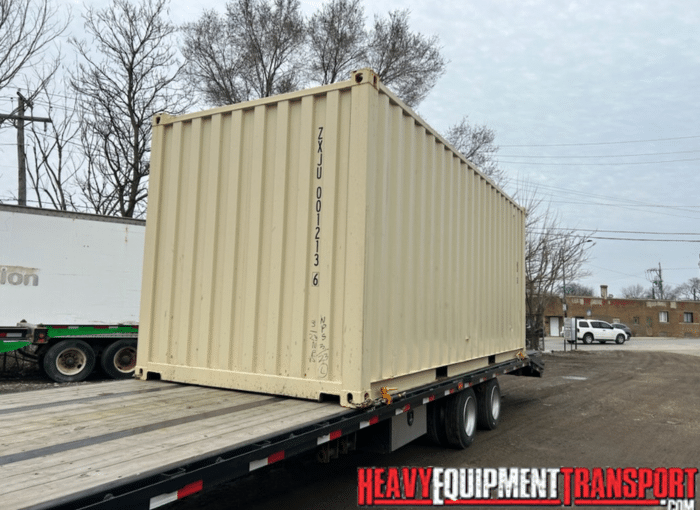
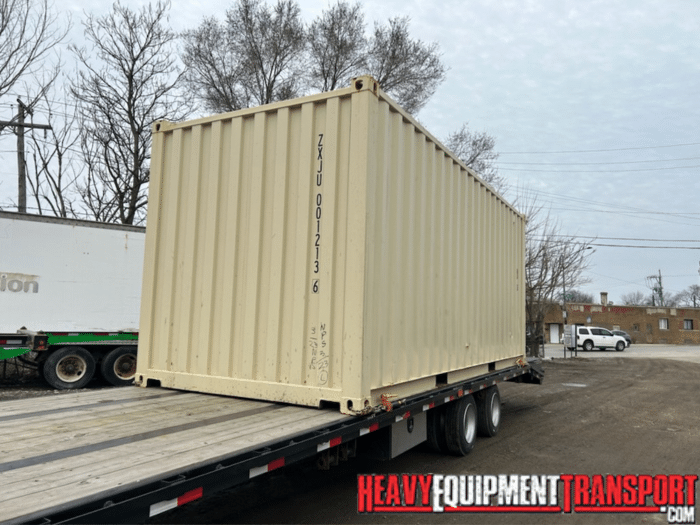
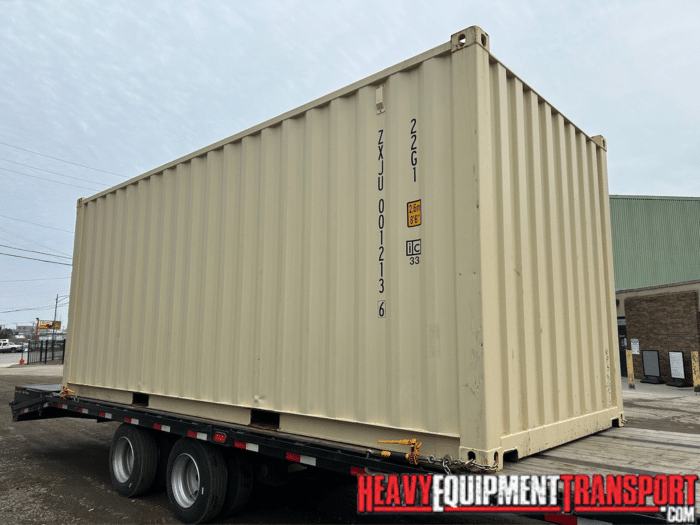
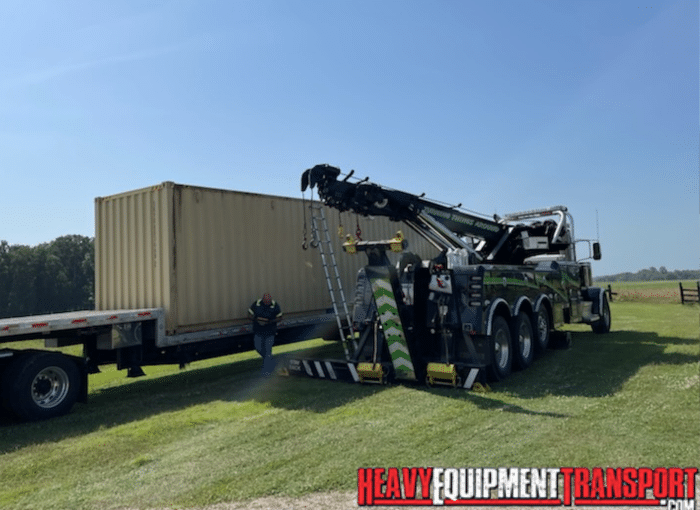
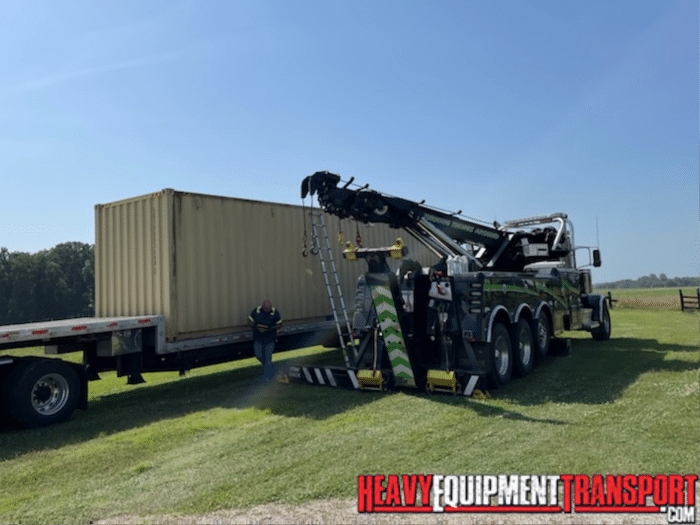
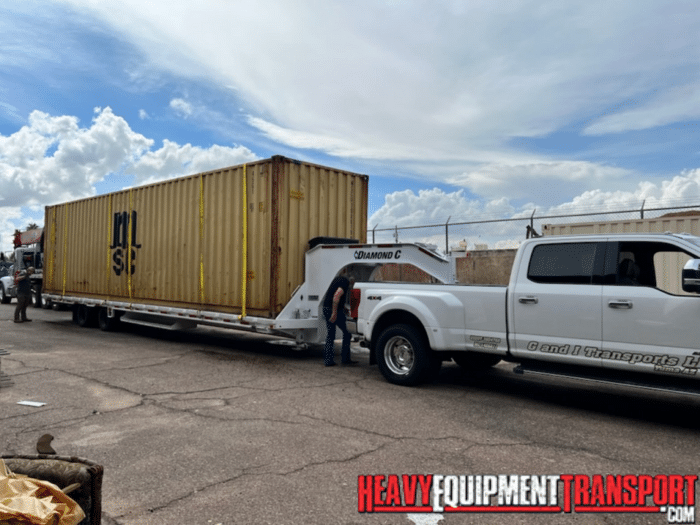
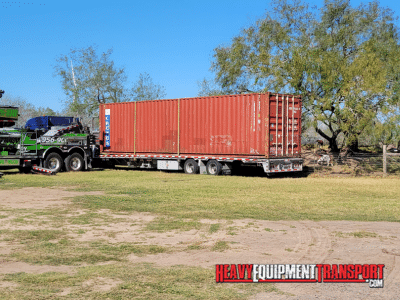
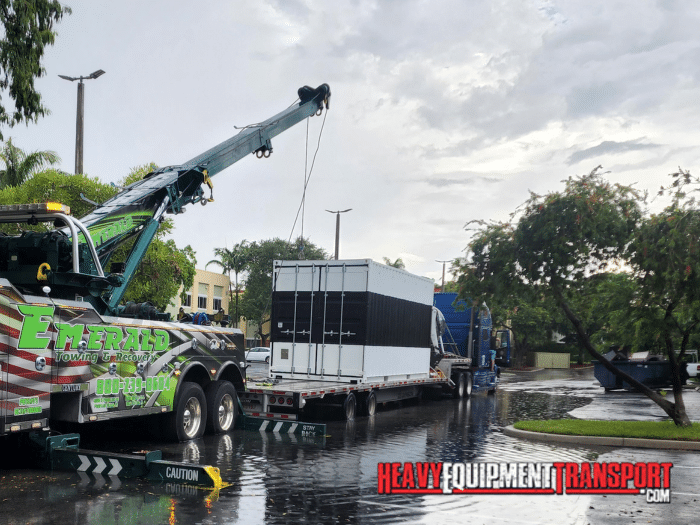
A flatbed trailer is your best bet if you need to transport your shipping container more than 200 miles. This is because the operating costs of a tilt bed trailer are higher than those of a flatbed trailer, especially when comparing the two on a per-mile basis. Thus, a flatbed trailer is the most economical choice for long-distance shipping of your containers. That being said, a flatbed trailer has no side walls. Therefore, a crane or forklift will be required to offload the shipping container from the trailer bed.
container haul

Transport Your Container Today

Heavy Equipment Transport is always available for a quote. Fill out the form or give us a call now! (888) 730-2951

Choosing Between a Crane or Forklift

Moving a Shipping Container Using a Forklift

Although your average forklift wouldn’t be able to handle the weight of a shipping container, there are special ones that can. Most compact forklifts aren’t wide enough to raise a shipping container without risking buckling or damaging the container, and they lack the lifting capacity to lift the container without assistance.

Because using a forklift involves putting all the weight or pressure of the shipping container on its center, it is quite easy to create an accident if you choose the wrong forklift. If you must use a forklift, ensure it can carry at least 15,000 pounds. This guarantees that the forklift’s arms are sufficiently large and sturdy to lift your container without causing any harm.

Cranes Are Better, but You’ll Need a License to Operate One

Although it is typically easier to load a shipping container onto the trailer or flatbed of a truck with the assistance of a crane, renting one can help you save time. Even if you transport the shipping container yourself, you will likely need to pay someone else to execute the crane lifting because cranes require special licenses or operators.

Think carefully about both options before making a decision.

Key Takeaway

Transporting a shipping container can seem daunting, but with proper planning and equipment, it can be done securely and swiftly. If you follow the guidelines provided above and consult an expert when necessary, you should be able to get your shipping container where it needs to go without incident.

William Thomas

William Thomas

Heavy Transport Specialist

Being able to lead a team of such talented logistics agents has been a wonderful experience over the past ten years. If you would like to know anything more about the heavy equipment transport services we offer, don't hesitate to give us a call!
Do I Need Insurance to Move a Shipping Container?

Do I Need Insurance to Move a Shipping Container?

Heavy Equipment Transport Logo
Facebook
Twitter
LinkedIn

Francisca Olive / June 2023

Shipping goods in containers comes with its own risks. Most of us don’t give much thought to whether or not we should insure our companies, houses, or vehicles. Thus, you shouldn’t hesitate to have your container shipments insured, as they are far more likely to be damaged. Read on to learn more about why you need shipping container transport insurance.

Container Moving Insurance

You can get compensation through a container shipping insurance policy if your cargo is lost or damaged during transit (provided it was transported in a container). This type of insurance is typically purchased by cargo owners, freight forwarders, and other parties involved in the shipping process to protect their goods from risks that can occur during transportation. Weather conditions, ship collisions, and other hazards can all contribute to these losses. Let’s dig into why container shipping insurance is vital and how it may help you avoid financial ruin in the event of a damaged container.

Why You Should Get Shipping Container Transport Insurance

container haul

While container shipping insurance may not be a legal requirement, it is important to get it for several reasons.

➤ Protection Against Loss or Damage

During transit, shipping containers are vulnerable to several dangers, including human error, vehicle mishaps, fires, and weather-related calamities like hurricanes and typhoons. Container insurance can protect against damage or loss of a shipping container in case of these events.

➤ Compliance

Some nations require certain types of insurance for overseas shipments. For instance, the International Maritime Organization (IMO) mandates that all ships carry insurance to cover any environmental harm incurred due to an accident or any other occurrence. If you don’t follow the rules, you might face fines or possibly have your shipment seized.

➤ Customization

Container insurance can be tailored to your needs and requirements, providing the right coverage for your cargo and the shipping route. This allows you to select the level of protection right for you, whether it’s the bare minimum to cover losses and damages or a more extensive plan that protects you from liability and other risks.

➤ Peace of Mind

Accidents and mishaps can occur despite the best-laid plans. Knowing that your goods are covered in the event of an accident during container transit is priceless.

container haul

Transport Your Container Today

Heavy Equipment Transport is always available for a quote. Fill out the form or give us a call now! (888) 730-2951

Types of Container Transport Insurance

➤ All-Risk Insurance

In terms of shipping container protection, this is your best bet. All-risk insurance protects against any risk, with the exceptions specifically outlined in the policy. Companies shipping valuable or delicate cargo should seriously consider getting all-risk insurance.

➤ Total Loss Insurance

A total loss insurance policy covers the complete loss of a container. This can result from theft during transport or a container loss at sea. Although this type of insurance provides less coverage than all-risk insurance, it is less expensive.

➤ General Average Insurance

General average insurance aims to compensate policyholders for their proportionate part of the financial losses and expenses incurred due to a shipping accident. When goods are transported by a common carrier (like a container ship), all parties often purchase this insurance to cover the shared risk of loss.

➤ War Risk Insurance

War risk insurance provides coverage for losses or damage to cargo caused by acts of war or political instability, such as civil unrest, terrorism, or war. This type of insurance is recommended for businesses shipping cargo in containers through high-risk areas.

➤ Marine Insurance

Marine insurance protects containers being transported via sea. When the containers are returned to their owner, they undergo a thorough inspection. If the owner discovers that the container has been damaged, they will calculate how much it will cost to repair it. The container user is then given this estimate. The user then sets up a second inspection so they can double-check the estimate. A cost estimate is then negotiated between the user and the owner. After that, the insurance brokers are brought in to settle the charges. When insurance is not included, users will be required to pay for the container, and shippers will cover the damage to the cargo.

The carrier must ensure the shipment arrives in perfect condition and without damage. The shipper (you!) is responsible for ensuring the goods are in good condition and ready to be picked up by the carrier. Damage must be documented both in terms of quantity and degree. Any destruction caused by extreme weather, acts of war or terrorism, or where it can be proven that the company shipping the goods was irresponsible in packaging or labeling the cargo are all examples of situations in which the carrier is not liable for damage claims.

Key Takeaway

Opt for shipping container transport insurance and lower the liability risk when moving a shipping container.

William Thomas

William Thomas

Heavy Transport Specialist

Being able to lead a team of such talented logistics agents has been a wonderful experience over the past ten years. If you would like to know anything more about the heavy equipment transport services we offer, don't hesitate to give us a call!
How to Transport a Shipping Container Home

How to Transport a Shipping Container Home

Heavy Equipment Transport Logo
Facebook
Twitter
LinkedIn

Francisca Olive / May 2023

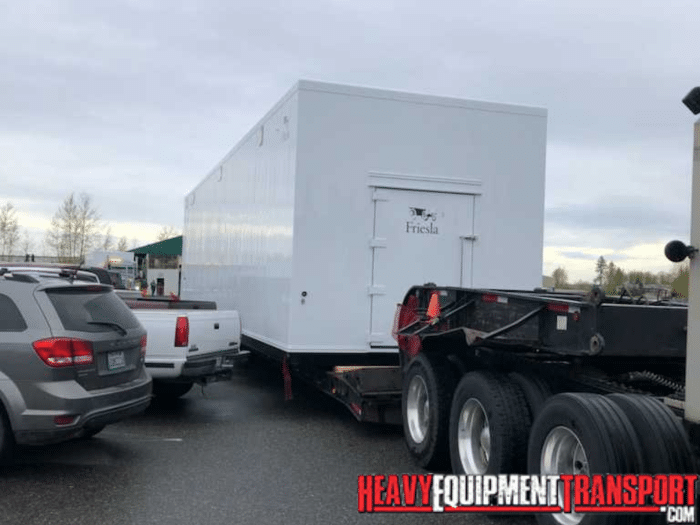
Shipping container homes have gained popularity in recent years due to their durability, affordability, and unique aesthetic. However, shipping container home transport can be daunting since it requires careful planning, preparation, and execution. This article will provide a comprehensive guide on transporting a shipping container home, from planning the transport to unloading the container at its new location.

Can Your Shipping Container Home Be Moved?

container home transport

The answer to this question will depend on several factors. Some container homes can be easily moved, while others are more permanent. Because shipping container homes are all distinct and diverse, not all can be moved. Some can be disassembled, transported, and reassembled.

If a container home can be disassembled, it can be moved. You cannot transport a container home that has been welded together or set up such that it cannot be disassembled. However, if you construct your house with mobility in mind, getting it up on a truck is pretty simple.

Disassembling Your Shipping Container Home

The first step before transport is to disassemble stacked shipping containers. You should remove any connections between the individual shipping containers so you can take them apart. Several shipping containers cannot be transported at once. Therefore, it is advisable to deconstruct the stacked shipping containers so you can get modular containers instead, which are easier to transport.

You should remove all belongings from your container home before the move. This will not only make moving easier for you, but it will also help to keep your valuables safe. Once the shipping container home has been transported and reassembled, you can transfer your belongings to the new location.

container home haul

Transport Your Container Today

Heavy Equipment Transport is always available for a quote. Fill out the form or give us a call now! (888) 730-2951

Transporting a Shipping Container Home

Once you have removed all your belongings from a shipping container and disassembled the shipping containers, you need to understand how to transport them. There are multiple options available.

Transporting Using a Tilt Bed Truck

A tilt bed truck is the most efficient mode of transport for distances of less than 200 miles. Not only will this make loading easier, but unloading the containers will also be a breeze. The bed of this truck can be tipped at an angle so that the container can slide off. Thus, when the driver arrives at the new location, they can place the container on the ground without needing specialized tools.

It’s also worth remembering that a tilt bed truck needs a lot of clearance to get into a location. You can choose this transportation option if there is plenty of room around the shipping container home.

Transporting Using a Flatbed Truck

If you need to transport your containers further than 200 miles, you should look into shipping container home movers with flatbed trucks. This is because the containers will need to be secured tightly. This option requires a crane for loading and unloading, which can be costly. Thus, you should plan adequately if you plan to use this option.

Transporting Using a Step-Deck Truck

Regular shipping methods won’t work if you have high-cube containers. That’s because the average height of a high-cube container is 9.5 feet. Here’s where a step-deck truck comes in handy. Step-deck trucks are very similar to flatbed trucks. They have a platform that is level and permanent. However, these trucks’ platforms are lower than flatbed trucks, making it easier to transport high-cube containers.

The containers must be loaded and unloaded using a forklift or other device.

Unloading the Shipping Containers

Once the shipping containers get to the new location, the next step is to unload and reassemble them. Make sure that all utility connections are ready to go before this occurs. That way, problems can be avoided. The last thing you want to be doing is frantically searching for a water service when the containers are being unloaded.

If the shipping container home movers use a flatbed truck, a crane will be required to unload the containers. On the other hand, tilt-bed trucks make this process effortless; the containers can just be slid off. When you have the containers positioned where you want them, you can reattach them using threshold plates and bolts. After that, you can bring your belongings back into the house and enjoy your new location.

Ensure you prepare the delivery site. This includes cutting down low-hanging trees, relocating low-hanging utility or telephone wires, and preparing the foundation.

If you want to avoid mud and wetness on the ground, schedule delivery for a day when the weather forecast is dry.

Key Takeaway

Transporting a shipping container home can be a complex and challenging task, but with careful planning and preparation, it can be done safely and successfully. Following the steps outlined in this article, you can ensure that your container home is transported to its new location with minimal stress and hassle.

William Thomas

William Thomas

Heavy Transport Specialist

Being able to lead a team of such talented logistics agents has been a wonderful experience over the past ten years. If you would like to know anything more about the heavy equipment transport services we offer, don't hesitate to give us a call!
How to Secure a Container for Transport

How to Secure a Container for Transport

Heavy Equipment Transport Logo
Facebook
Twitter
LinkedIn

Francisca Olive / May 2023

Shipping containers are built to withstand the elements and deter theft, two of the most prevalent risks faced during container transport. COR-TEN steel, also known as weathered steel, is resistant to corrosion and is used to make all conventional 40-foot and 20-foot shipping containers. This type of steel is highly durable, which is why shipping containers are weather-resistant. But, this does not ensure that your shipping container is impenetrable to outside forces, such as severe weather or thieves. Below is a guide on securing a container for transport.

Securing a Shipping Container to a Trailer

container transport

Securing a shipping container to a trailer is easy with the help of container twist locks. With these locks, there’s no need to chain or strap the containers to the trailer, which speeds up loading time and improves safety (they don’t sag or need to be tightened like chains and straps, and they can withstand inclement weather). Drivers prefer them because they are less complicated to use and pose fewer dangers than chains.

There are corner castings on all eight corners of the box, four on the bottom and four on the top. These corner castings make using twist locks to fasten shipping containers a breeze. It is common practice to rest the corner castings of a container on the twist locks at the trailer’s ends.

The twist lock handle must then be rotated 90 degrees to secure it. This essential safety measure will keep the container fastened at all four corners and attached to the trailer throughout the trip.

Transporting cargo via road is streamlined with the help of container locks, which are adaptable and resilient. Once they are engaged, it is improbable that the load will shift, in contrast to what can occur when shipments are strapped or chained. Their strength makes them ideal for preventing the loss of goods on rough roads.

container shipping

Transport Your Container Today

Heavy Equipment Transport is always available for a quote. Fill out the form or give us a call now! (888) 730-2951

Make Sure The Container is Tightly Sealed

No security measures will be adequate if your container has rust or corrosion-caused cracks or holes. It’s easy for a burglar to inspect your container and discover entry points that don’t require messing with a lock.

Consider purchasing or renting a corrosion-resistant container to reduce the likelihood of theft. If you can’t do that, you can always paint or treat your container with anything that will make the metal more secure, long-lasting, and resistant to weather-related damage.

Secure The Container With a Heavy-Duty Padlock or Lockbox

The first step in securing a container for transport is to ensure you lock the container with a heavy-duty padlock. A regular padlock would be ineffective against a skilled burglar who can easily cut the lock and gain entry to your container. If you want to lessen the likelihood of your locks being broken, you should get a high-quality, heavy-duty padlock or a container lockbox.

A container lockbox is a lockable steel container for storing a container padlock. Thieves won’t be able to tamper with your locks as much if you use this extra precaution. It usually takes a few minutes to bolt or latch them on, and the process is easy.

Security Cameras Will Provide An Extra Layer of Security

Investing in a high-quality surveillance system discourages would-be criminals from breaking into your shipping container and stealing your goods. The presence of surveillance cameras deters would-be criminals because they know there is a high probability that they will be caught.

Securely fastening a CCTV pole equipped with a camera to the top of your shipping container is an easy way of setting up this monitoring system. The security camera will have a straight line of sight to any potential criminals passing by, alerting them that they are being watched. It will also have a clear line of sight to the front of the container, allowing it to record a wide range of footage during container transport.

Consider Installing An Alarm System Inside The Shipping Container

Be sure to pick an alarm system that will give your shipping container the highest level of protection possible. Alarms are available nowadays that go off when a shipping container is opened. You can also install a motion detection alarm system on the container’s door.

An audible alarm may not protect your container in a remote area. To protect your cargo from potential thieves, install an alarm that sounds an alert at the first sign of intrusion.

Key Takeaway

Securing a container for transport is simple and inexpensive, with proper preparation and execution. Don’t forget to buy and prepare the locks, accessories, modifications, and security features you’ll need to ensure your container is sealed tight and secured to a trailer.

William Thomas

William Thomas

Heavy Transport Specialist

Being able to lead a team of such talented logistics agents has been a wonderful experience over the past ten years. If you would like to know anything more about the heavy equipment transport services we offer, don't hesitate to give us a call!
How to Transport a Shipping Container Overseas

How to Transport a Shipping Container Overseas

Heavy Equipment Transport Logo
Facebook
Twitter
LinkedIn

Francisca Olive / May 2023

Transporting a container overseas requires specific logistics to get it done correctly. Working with a company that transports containers is your best bet, but it’s always good to know the details. Whether you need to ship your container from the U.S. to Mexico or haul it across the pond, we’ll provide you with the details to get it done right. 

Choosing The Right Shipping Container Size

20ft container haul

Like selecting a box size at the post office for domestic delivery, choosing the appropriate container size for your shipment is essential. These containers come in two main sizes (20-foot and 40-foot) and typically take up 20-50 feet of space. Although larger containers may cost more money, they also provide more space for packing your items securely. It’s also possible to ship an empty container if necessary.

Deciding Between FCL and LCL

In addition to container size, you should consider the load’s capacity relative to the chosen container. If you have a lot of things and can afford it, you should choose full container load (FCL). FCL means that your belongings will fill the entire container. Since the container contents belong to a single sender, this method is typically more convenient for you, the sender, and the shipping company.

If you want, however, you can go with less container load (LCL), which implies that your things will likely be sent together with the items of other senders within the same container. This is a fantastic alternative if you’re on a tighter budget or shipping a few things. Nevertheless, keep in mind that this method presents some logistical issues.

hauling a 20ft container

Transport Your Container Today

Heavy Equipment Transport is always available for a quote. Fill out the form or give us a call now! (888) 730-2951

Get an Estimate of How Much International Container Transport Will Cost

Moving a container overseas is still expensive, even if you take some measures to cut down on costs. Costs might go as high as $3,000, so prepare yourself.

Most shipping providers determine the exact cost for each client using the same criteria. To receive a rough price estimate, head to the shipping company’s website and fill out a quote form.

Below are some of the factors that generally affect the price:

➤ The size of the shipping container

➤ Weight of the shipment

➤ The volume, in addition to whether or not you have chosen LCL or FCL

➤ The distance to be traveled

➤ Month: When it comes to international shipping, peak seasons coincide with the summer months (August through September) and the time right after Chinese New Year

➤ The last port of call, which might include country-specific customs and service fees

➤ Loading and delivery method. You can choose between port-to-port, door-to-door, and drop-and-fill.

Loading The Container

Given the intricacies of transporting a shipping container overseas and how valuable your items are, it’s essential to know how to load a shipping container properly.

Shrink wrap is a great all-around packaging material for protecting fragile things like furniture during transport. You should also coat the inside of the container’s roof and walls with the moisture-absorbing paper if you want to store anything with high moisture content (for example, cocoa beans or unroasted coffee).

Also, all items containing liquids should be placed as low as possible in the container to lessen the risk of damage to other products from any potential leaks. In addition to ensuring everything is sealed correctly, you must ensure that the boxes and packaging materials you use are moisture-resistant.

Consider Custom Regulations

It’s crucial to be aware of customs laws in both the nation of origin, the United States, and the country where the product will be delivered.

For example, importing e-cigarettes into the United Kingdom may require further approval because of the country’s strict regulations on the sale and distribution of tobacco products.

You must have the proper customs forms for both countries to avoid delays. These forms ought to be stored with any other pertinent paperwork.

Weighing the Shipment

Next, check your shipment’s official weight. To get an accurate reading, you can either weigh everything packed within the container as a single unit using certified industrial scales or weigh each item individually and add the total weight to the weight of your container when empty.

Labelling The Container

Make sure to mark your packages correctly as instructed by the shipping company. The required labels, including port markings, gross and net weights, the customer identification code, and a few more, must be applied to the containers before transport. You should avoid revealing the contents of the container on the label to deter theft.

Check That All Shipping Documents Are In Order

Moving a container overseas requires a great deal of specialized paperwork, so the shipping company should work with you to complete this process. In addition to the bill of lading, the following documents are required for international container transport: (1) a certificate of origin, (2) an insurance certificate detailing the coverage you have selected for this shipment, and (3) a shipper’s export declaration form.

Key Takeaway

By understanding the different shipping methods, associated costs, necessary paperwork, and preparation tips, you can ensure that your container arrives at its destination safely and on time. Whether you are moving for personal or business reasons, following the steps outlined in this article will help make transporting a shipping container overseas much more manageable.

William Thomas

William Thomas

Heavy Transport Specialist

Being able to lead a team of such talented logistics agents has been a wonderful experience over the past ten years. If you would like to know anything more about the heavy equipment transport services we offer, don't hesitate to give us a call!
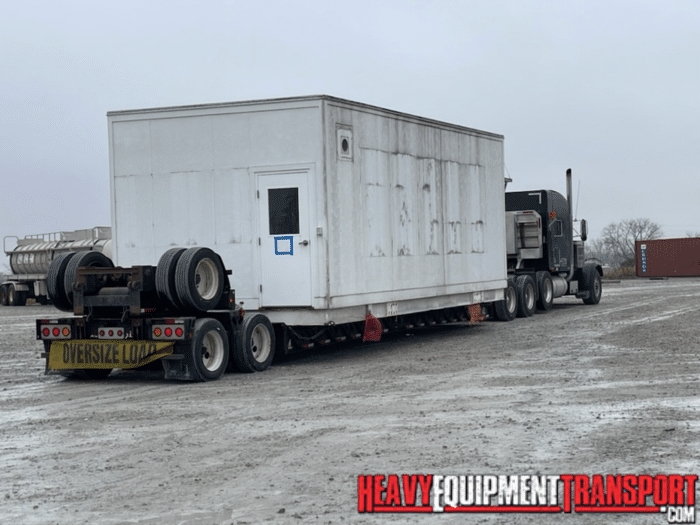
What is Port-to-Port Container Transport?

What is Port-to-Port Container Transport?

Heavy Equipment Transport Logo
Facebook
Twitter
LinkedIn

Francisca Olive / May 2023

Port-to-port transport is the transportation of cargo containers between two different ports. This strategy has become integral to many supply chains as firms rely more and more on international trade. In this post, we’ll examine the fundamentals of port-to-port container transport.

What is Port-to-Port Shipping Container Transport?

moving a container

The difference between port-to-port shipping and door-to-door shipping is that port-to-port shipping does not include the services of transporting the goods from the point of origin, such as a warehouse or manufacturing center, to the port of loading. Likewise, it does not cover the transportation of the goods to the final destination after they reach the port of discharge.

Port-to-port shipping is ideal for seasoned shippers with the know-how to independently manage all other parts of the shipping process, as on-carriage and pre-carriage services are omitted. That means taking care of all the necessary paperwork, getting through customs at both ends, setting up inland transport and a storage facility, etc.

container for transport

Transport Your Container Today

Heavy Equipment Transport is always available for a quote. Fill out the form or give us a call now! (888) 730-2951

Services Included in Port-to-Port Shipping

Port-to-port shipping container costs include expenses associated with transporting goods from the port of origin to the destination port. The costs usually include the ocean freight rate( the rate at which the cargo is to be transported) and a container rental fee (which pays for the rental of the shipping container for the duration of the transportation process). Also included is a security fee that ports impose for reasons of maritime security. Additional port-to-port services include container loading and unloading times, cargo tracking, document issuance (such as a Bill of Lading), and document filing costs. There may be additional fees for handling at either the country of origin or the country of destination.

Factors to Consider With Port-to-Port Shipping

Cargo Insurance

Port-to-port shipping does not include cargo insurance. Carriers are mandated by law to have carrier liability insurance for all cargo they transport. However, this insurance seldom offers enough compensation for losses incurred by shippers.

Customs Clearance

Customs officials at the port of origin and destination must receive proper documentation and papers. In most cases, this step is not covered by port-to-port shipping container costs. The documentation requirements might be very different in each nation. Hiring a destination agent will help clear up any misunderstandings or miscommunications that may arise. An experienced destination agent will be well-versed in the import regulations of your final destination and can guide you through the necessary paperwork and provide an estimate of the taxes and duties you will owe.

Inland Transportation

You will need to make arrangements for inland transportation to get your shipment to and from the ports of loading and discharge, respectively. The specifics of these arrangements will depend on your consignment’s origin location and final delivery destination.

These may comprise rail services, trucking services, or a mix of the two. Because of the current truck driver scarcity, it is essential to prepare ahead if you need to arrange inland transportation in the U.S.

Port Schedule

Without pre-carriage or on-carriage services, you’ll be responsible for getting your shipment to the port on time for the sail date and picking it up from the port of origin as soon as possible once it arrives to avoid fees like demurrage. While planning your drop-off and pickup, double-check the port authority’s operating hours to avoid delays. You should be aware of the port’s working hours and any holidays and/or strikes that may affect port employees.

Local Charges

In most cases, port-to-port shipping costs do not include local fees like the Bill of Lading release fee, associated port taxes, wharfage, etc. Nevertheless, as previously stated, some port-to-port quotes may contain local handling charges at the port of origin and/or destination.

Key Takeaway

Port-to-port container transport is the most cost-effective method of overseas shipping. This is because shippers can deliver their cargo to a port of origin in the United States and pick it up at a port of discharge in the destination country.

William Thomas

William Thomas

Heavy Transport Specialist

Being able to lead a team of such talented logistics agents has been a wonderful experience over the past ten years. If you would like to know anything more about the heavy equipment transport services we offer, don't hesitate to give us a call!
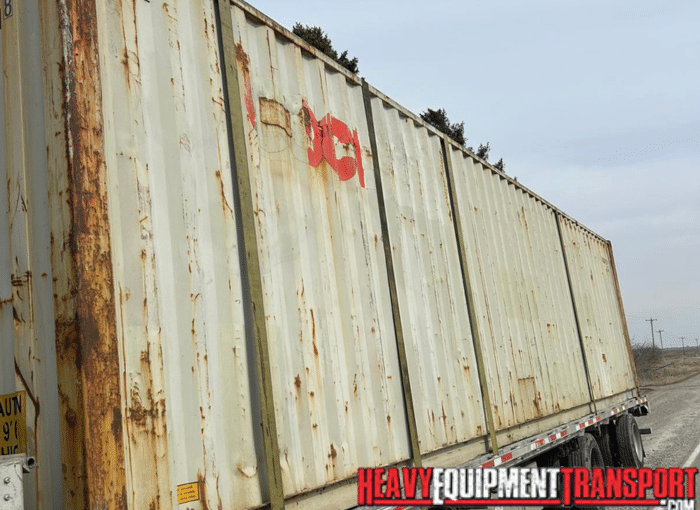
The Cheapest Way to Move a Shipping Container

The Cheapest Way to Move a Shipping Container

Heavy Equipment Transport Logo
Facebook
Twitter
LinkedIn

Francisca Olive / May 2023

Although moving a shipping container might be pricey, there are ways to accomplish it on a budget. This article will explore the cheapest ways to move a shipping container so that you can choose the best option for your budget and needs.

The Cheapest Way to Move a Shipping Container: Sea Freight

container on trailer for transport

Ocean freight is the cheapest way to move a shipping container. Before the invention of air freight, sea freight was the only method of overseas transport.

Affordability

Sea freight is the most cost-effective mode of transportation, regardless of the number of items transported. Barges can move vast quantities of packaged goods or bulk commodities across short or long distances at a cost unmatched by any other form of transportation.

LCL services allow freight forwarders to divide container moving costs amongst their clients, allowing them to offer affordable shipping for smaller items such as cases, bottles, pallets, or even drums and IBCs.

On the other hand, the maritime freight business can face chaotic and unprecedented situations, such as port congestion, a lack of shipping containers, delays at customs, and several other issues.

Other Benefits of Sea Freight

When it comes to reducing emissions, sea freight is unrivaled.

Although sea travel is often slower and more susceptible to weather-related delays, it has a greater range. As there is usually a port of entry close by, it is now possible to ship goods anywhere in the world by sea.

container on trailer for transport

Transport Your Container Today

Heavy Equipment Transport is always available for a quote. Fill out the form or give us a call now! (888) 730-2951

Air Freight

Air freight is the most efficient shipping option for urgent or perishable items. Typically, cargo aircraft fly at a speed of about 900 km/h. In addition, cargo planes often use straight flight paths, eliminating the potential for air traffic jams and boosting their unparalleled delivery speed.

As their shelf lives are short and security measures must be stringent, perishable goods and high-value commodities are ideal cargo for air transport. Compared to other transportation modes, the ability to swiftly and easily adjust flight routes in the event of poor weather results means a reduced risk of damage to the cargo.

However, air freight is the most expensive method of moving a shipping container. It is also the only other option (apart from sea freight) for shipping goods overseas, so if you want to ship perishable or urgent goods overseas, this is your best option.

Road TransporTation

Road travel is the second most popular mode of transportation and is the simplest and fastest way to handle domestic deliveries.

A portion of any container shipment will always involve vehicle transport. In addition to being the second most common method of transportation, it is also the most essential. Like ocean freight, it offers its clientele full truckload (FTL) and groupage/LTL services. Although there may be multiple points of contact during road transport, container moving costs may be lower, especially in the case of LTL shipping.

It is also easier to meet paperwork requirements while transporting a container by road, especially if the vehicles are not crossing international borders. Delivery times for goods traveling by road are often short, thanks to the abundance of transport firms offering a wide range of vehicle sizes.

Rail Transport

Rail freight is a cost-effective option for long-distance land travel. It is speedy, trustworthy, and safe, with few delays.

When transporting goods, the most pressing concern is getting a shipment to its destination on schedule and without any incidents. Because of this, it is crucial to choose a reliable mode of transportation. Rail transit meets this need. Because railway authorities closely control the capacity on the rails and trains are rarely affected by the weather, there is seldom a problem with traffic congestion. Trains do not stop very often, and most services go straight to their respective destinations.

Another area in which rail freight transportation shines is the high standard of safety it maintains for cargo. Cargo train thefts are pretty unusual. Because freight terminals and railways are typically safe sites with low crime rates, trains are the most reliable method for transporting goods cross country.

Furthermore, rail transportation is an eco-friendly option for land-based cargo operations. When it comes to conveying huge freight loads over numerous carriages and long distances, this form of transportation is more environmentally friendly than road transportation since most trains run on electricity, resulting in minimal CO2 emissions.

Key Takeaway

Sea freight is often considered the most cost-effective transport option. However, this varies depending on the volume of cargo being shipped. No one method of container shipping is inherently better than the others.

William Thomas

William Thomas

Heavy Transport Specialist

Being able to lead a team of such talented logistics agents has been a wonderful experience over the past ten years. If you would like to know anything more about the heavy equipment transport services we offer, don't hesitate to give us a call!
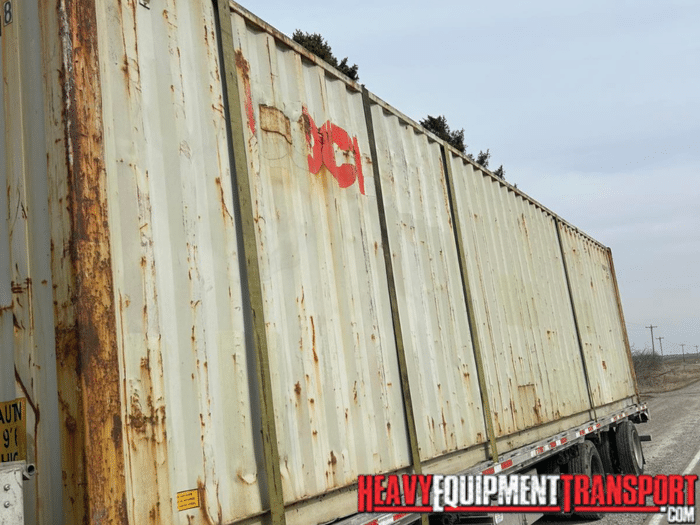
How to Load a Shipping Container

How to Load a Shipping Container

Heavy Equipment Transport Logo
Facebook
Twitter
LinkedIn

Francisca Olive / May 2023

It would be impossible to imagine international trade and logistics without shipping containers, which are critical in transporting goods from point A to point B. However, loading a container can be challenging, especially for those unfamiliar with the process. Knowing how to load a shipping container properly is essential for the safe and secure transport of any goods. This article will guide you through the crucial steps of loading a shipping container.

Preparing The Cargo For Loading

container on hot shot trailer

If you are moving the contents of your house or business in addition to your automobile, motorbike, or boat, you need to package everything correctly before the shipping container movers you hired arrive to load and carry your goods. Everyone involved will have an easier time if you follow these tips.

Brand-new boxes are better for packing. You can use standard cardboard cartons to store books, DVDs, or other basic home objects and linen boxes to store linens and other kitchen equipment. You should get real dish bags to store your expensive china in safely.

Protect your fine china and picture frames by wrapping them in bubble wrap or using a few towels as padding. A wardrobe container, which takes up around ten cubic feet, is an option if you want to protect your clothes.

Recheck everything to ensure it’s safe, and seal everything with sturdy adhesive tape. Mark the contents clearly and the box number on each one, such as “linens,” “box 4 of 17,” etc. Make sure to keep track of your goods.

Stretch-wrap your furniture to prevent it from gathering dust and being scratched up in transit. If you’re moving a dining room table or other large, delicate item, protect it with furniture pads and place one down inside the shipping container. Gather all your belongings (furniture, boxes, etc.) into one room and arrange them according to the order in which you intend to load the container.

container loading on trailer for transport

Transport Your Container Today

Heavy Equipment Transport is always available for a quote. Fill out the form or give us a call now! (888) 730-2951

Properly Loading a Shipping Container

On the day of shipping container transport, the shipping company will send over trained movers to load your possessions, or you can pack them yourself with the help of some friends, and then the shipping company will transport them to their final location. Several shipping container movers offer two hours of free loading before charging per hour. Loading a 20-foot container can take as little as three hours with support and preparation, while a 40-foot container can take up to six hours.

Whether you’re packing or hiring pros, keep the following in mind.

➤ When the container finally comes, make sure to inspect it. Be sure it’s spotless and in good shape. Inspect the locks and jot down the serial number for future reference.

➤ Weight distribution in a shipping container is crucial, so be sure your furniture, boxes, and other cargo are evenly loaded. A standard 20-foot container has a volume of around 1,170 cubic feet and can carry up to 62,000 pounds; a 40-foot container has a volume of about 2,400 cubic feet and can carry roughly the same weight but in a different distribution.

➤ Don’t forget the distribution rule as you load the heaviest objects first. For instance, if the washing machine is packed in one corner of the shipping container, you should put a couch in the other to balance the container.

➤ Place the remaining furniture pieces along the walls and corners, with the front facing outward. Make sure to use plenty of furniture wrap to protect any expensive wood furniture, such as dressers or coffee tables. To ensure that your dining room set isn’t damaged in transit, you can secure its legs to the container’s floor or walls using nylon rope.

➤ Don’t forget the bed frames and mattresses! They can be laid on their sides to provide more room, in the center of the load, or along the walls for better weight and space distribution.

➤ Place heavier things like books or pots and pans in the bottom of a row of boxes, then stack boxes with more delicate objects like glasses on top. Keep any liquids, including water, on the bottom, and make sure they’re securely fastened.

➤ Whether transporting a vehicle, motorbike, or watercraft, follow the rules by emptying the gasoline and disabling the alarm system. Following that, erect a makeshift wall in the cargo container using plywood. Construct a barrier between the area where you will keep your vehicle and the cargo you will be transporting.


As the law requires, the car should be positioned such that the license plate is visible from the entrance.

Key Takeaway

Loading a shipping container may seem daunting, but planning and preparation can make it much more manageable. Remember to maximize your container space, distribute the weight evenly, secure your cargo properly, and label your boxes clearly.

William Thomas

William Thomas

Heavy Transport Specialist

Being able to lead a team of such talented logistics agents has been a wonderful experience over the past ten years. If you would like to know anything more about the heavy equipment transport services we offer, don't hesitate to give us a call!