
Reliable Prefab Building Transport Services
1. Thorough Planning for Prefab Building Transport
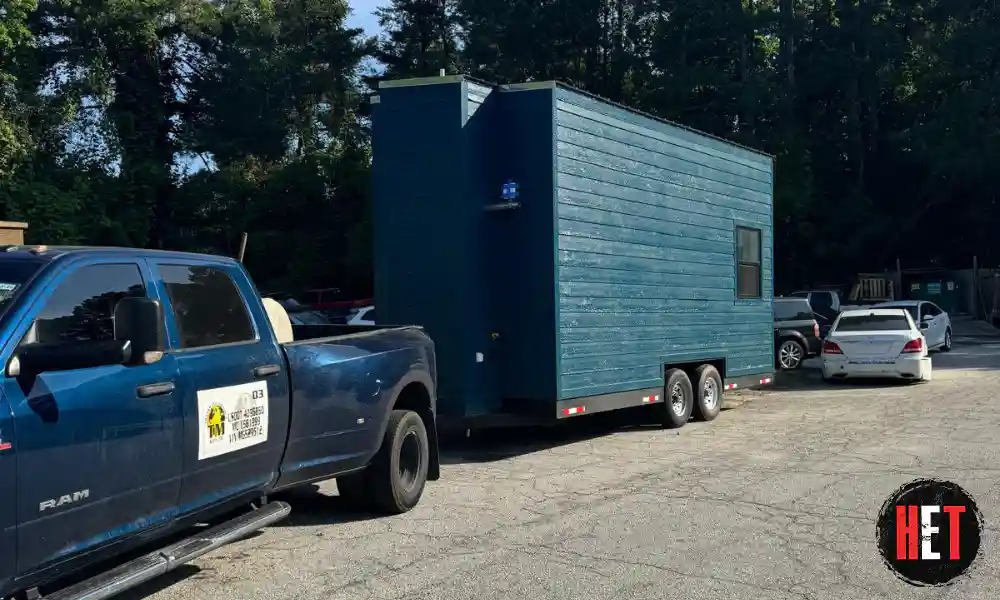
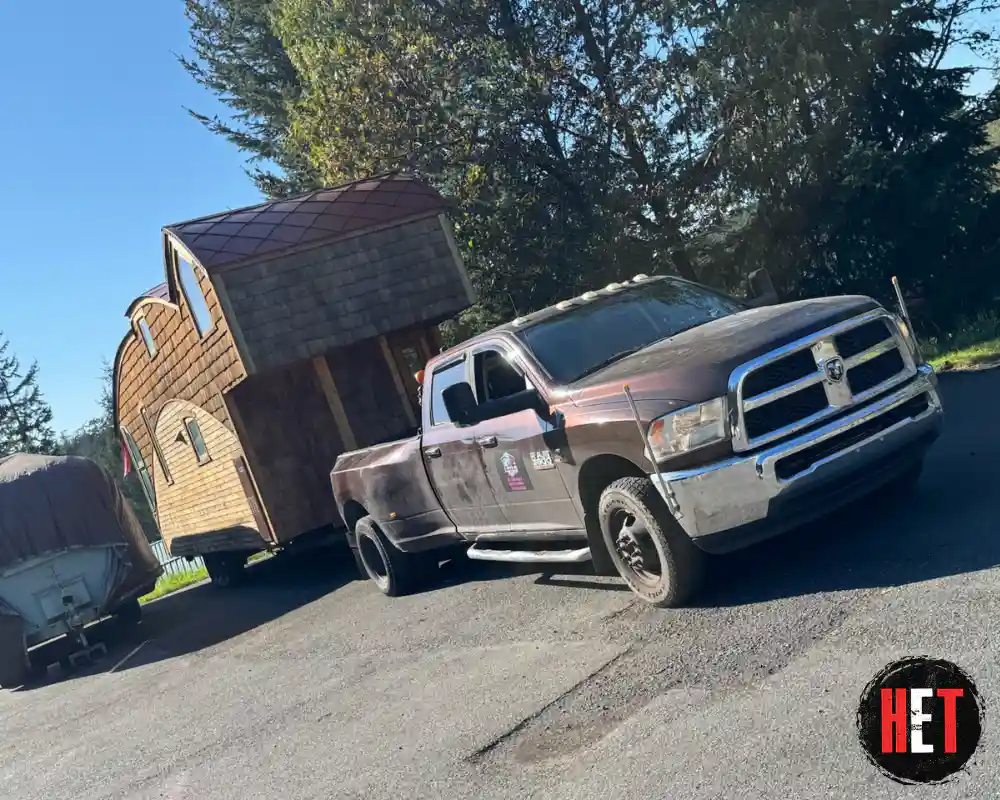
Prefabricated buildings vary widely. Some are compact modular offices, while others span significant length or height. Long before we set out, we craft a detailed plan, gathering all necessary details to determine the correct trailer type, route, and loading approach.
We start off with:
- Building Evaluation: We record building dimensions, weight, structural style, attachment points, foundation skids, interior fixtures, and any delicate components that need protective handling
- Route Analysis: The team reviews access paths, loading obstacles, road restrictions, bridge heights, narrow corridors, and delivery site layout
- Scheduling Built Around Your Project: We'll work closely with you to work out a schedule to match your construction timeline or staging requirements
No one likes unpleasant surprises. We assign a coordinator to your project. They'll provide steady communication and regular real time updates from dispatch through delivery so the project stays on track and on time.
2. Oversize Permits, Multi-State Routing, and Jobsite Requirements
Most prefabricated buildings are oversize or superload category. This means permits, carefully mapping our routes, and organizing pilot cars. Heavy Equipment Transport manages all of this for you, taking the hassle out of transporting these large, heavy loads.
Transportation may involve:
- State oversize permits
- Route surveys for restricted corridors
- Pilot cars or escort vehicles
- Bridge and overhead clearance evaluations
Our team also works with jobsite managers, plant operators, construction superintendents, and remote-location crews. Drivers follow site-specific safety rules, loading protocols, PPE expectations, and delivery sequencing to support an organized workflow.
3. Safe Loading, Securement, and Transport for Prefabricated Buildings
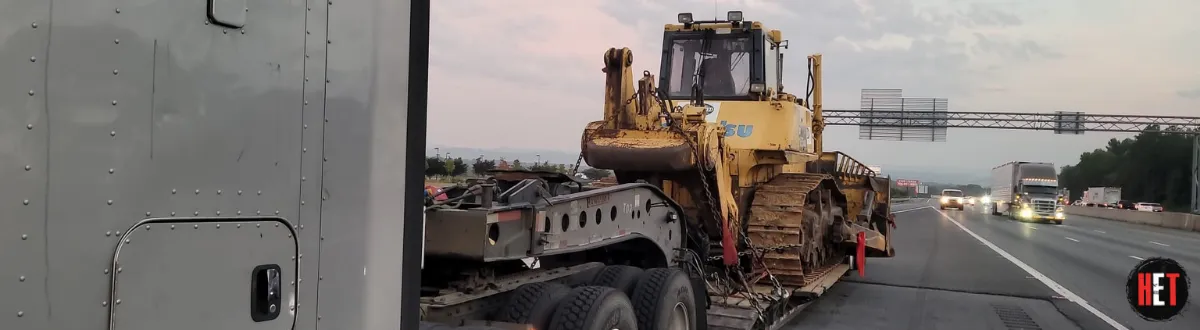
Transporting a full prefab building safely calls for careful lifting, stabilization, and properly securing the load. Many units are top-heavy or include interior structures that need vibration control during transport.
Here's how we tackle safely securing your transport:
- Crane or forklift coordination for lifting large modular buildings
- Structural support placement to keep walls and skids stable
- Heavy-duty chains and straps positioned at reinforced anchor points
- Blocking and bracing to prevent lateral movement
- Protective padding on contact points to avoid surface damage
- Covered or enclosed transport options for weather-sensitive units
Every securement point is carefully checked before departure, and long-distance transports receive additional stabilization when road conditions call for it.
4. Prefabricated Building Transport for Construction, Industrial Sites, and Commercial Operations
Heavy Equipment Transport supports projects of every size. Some clients move a single modular office, while others relocate several buildings during long-term expansions or remote-site buildouts:
- Construction companies and general contractors
- Industrial plants and manufacturing facilities
- Energy operations, including oil, gas, wind, and solar sites
- School districts and municipal programs
- Remote mining and exploration camps
- Modular building manufacturers and installers