How to Choose the Right Equipment Trailer

How to Choose the Right Equipment Trailer

Heavy Equipment Transport Logo
Facebook
Twitter
LinkedIn

William Thomas / January 2021

Trailers are indispensable utility vehicles for hauling heavy and oversized loads. With many trailer types available, choosing the right one for your business operations or to ship your freight can be confusing. But what should you look for when looking for the best trailer? Read on to learn more about the details of determining the correct type of trailer for your equipment transport, the most common trailers for oversize load shipping, and the benefits of choosing the right trailer for equipment hauling.

Choosing The Right Trailer To Transport Your Heavy Equipment
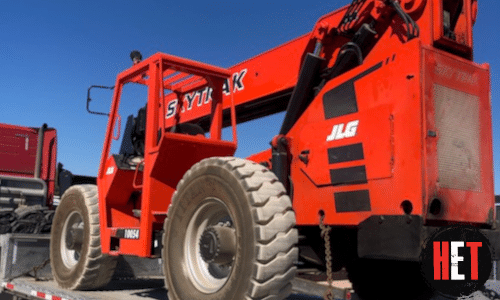
Transporting a 2016 JLG Sky Trak 10054 Telehandler

“The right trailer provides the required load capacity, stability, and safety features for seamless transportation of oversize loads.”

Trailers come in different types, each serving specific purposes. For instance, a trailer that ships liquefied loads differs from one that hauls heavy equipment like a combine. Here are key factors that determine the kind of trailer for equipment transport:

Load Capacity

Before choosing a trailer for your equipment:

  1. 1. Determine the maximum weight your trailer can carry.
  2. 2. Determine the weight of items you will be hauling and ensure the type of trailer you choose can transport them comfortably.
  3. 3. Check the weight restrictions on your towing equipment to avoid exceeding the maximum weight limit.

Trailer Size

Trailers come in different sizes. Before hauling your equipment, consider its dimensions and determine the best trailer.

Determine your Needs

Before purchasing a utility trailer, determine your needs to make more informed decisions. Start by identifying the primary purpose of your trailer and consider how often you will use it. For instance, a trailer used to ship construction materials differs from the one you can use to ship carnival equipment like amusement rides.

Deck Material

Equipment trailers come in different decks, including wooden and steel decks, and each has advantages. So, you choose one that aligns with your load capacity and durability needs.

Hitch Type

When choosing a trailer to haul your equipment, choose a hitch that matches your towing truck. For instance, if you are looking for a hitch type that offers stability for oversized and heavy loads, then RGN hitches are the best options. Bumper hitches are best suited for smaller equipment.

Quality

When buying a heavy equipment trailer, you should consider one of top quality to maximize efficiency. It would help if you researched more about different trailer manufacturers or providers to get the best quality trailer with heavy load-bearing capacity.

Transport Your Heavy Equipment Today

Heavy Equipment Transport is always available for a quote. Fill out the form or give us a call now! (888) 730-2951

What Are The Most Common Types Of Trailers for Oversize Load Shipping

Heavy-duty equipment trailers are used in industries, including manufacturing facilities, construction sites, and distribution centers. These trailers are categorized according to axle category, which includes 5, 6, 7, 8, 10, 13, and 19. Trailers with higher axle capacity can carry more load.

These trailers include:

Standard Flatbed Trailer

Standard flatbed trailers are common types of oversized load shipping trailers that carry heavy loads weighing up to 48,000 pounds and as long as 48 to 53 feet, depending on the length of the trailer. These trailers can be 48′ to 53′, depending on the trailer’s capacity, allowing them to carry equipment.

Step-Deck Trailer

Step-deck trailers are the same as flatbed trailers except that they have two deck heights. These are among the most popular trailers. The overall deck’s length is 43 to 53 feet, with the upper deck being 11 feet long and the lower deck measuring 37 to 41 feet.

Flatbed Spread Axle Trailer

A flatbed spread axle trailer is similar to a standard flatbed trailer, except they have different rear axles. These trailers have single axles spread apart at a more considerable distance than a standard flatbed with tandem axles.

Lowboy Trailer

Lowboy is a specially designed trailer to move overweight and over-height goods. These trailers are very close to the ground compared to other trailer types. They are mostly preferred for transporting tall machinery weighing between 40,000 and 80,000 pounds.

Other Types of Equipment Trailers

Other equipment trailers include:

  • • Drop Deck Trailer
  • • Landoll Trailer
  • • Conestoga Trailer
  • • Removable Goose Neck (RGN) Trailer
  • • Stretch Removable Gooseneck Trailer
  • • Extendable Drop-Deck Trailer
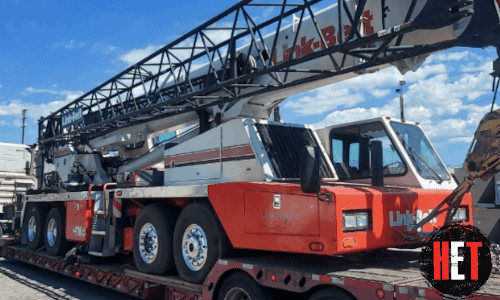
Transporting a crane on a lowboy trailer

Choosing the Right Trailer for Heavy Equipment Hauling Is Essential

Choosing the right trailer for equipment hauling is necessary to ensure a hitch-free hauling. The right trailer provides the required load capacity, stability, and safety features for seamless transportation of oversize loads. On the other hand, a wrong trailer can lead to equipment damage, legal issues, and safety hazards.

We understand the benefit of choosing the right equipment to haul heavy machinery at Heavy Equipment Transport. We also have various trailers with different axle capacities, ensuring your valuable equipment is shipped safely and efficiently.

William Thomas

William Thomas

Heavy Transport Specialist

Being able to lead a team of such talented logistics agents has been a wonderful experience over the past ten years. If you would like to know anything more about the heavy equipment transport services we offer, don't hesitate to give us a call!
Understanding the Costs of Heavy Equipment Hauling Rates | Heavy Equipment Transport

Understanding the Costs of Heavy Equipment Shipping: Factors That Influence Pricing

Heavy Equipment Transport Logo
Facebook
Twitter
LinkedIn

Updated October 20, 2025

Shipping heavy equipment is essential in numerous industries, including: 

  • • Construction
  • • Mining
  • • Agriculture
  • • Manufacturing
  • • And other industries.

These companies rely on being able to move essential equipment from location to location or job site to storage. 

Transporting heavy and oversize loads requires cautious planning, a focus on safety, and, ensuring you’ve got an accurate and reliable shipping quote. One without any hidden fees.

You need a price that holds and a delivery window you can plan around. We keep equipment shipping cost clear by focusing on the basics:

  • • Weight
  • • Dimensions
  • • Route
  • • Permits
  • • Trailer type
  • • Timing

This blog delves into the complexities of heavy equipment hauling rates to provide a clearer perspective for anyone navigating this complex terrain and to help you understand how much you might need to budget for.

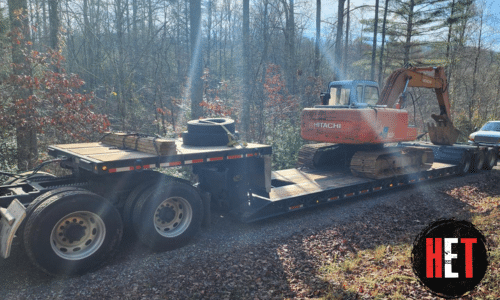
Hitachi EX100-5 Excavator loaded on a lowboy trailer for transport

General Equipment Hauling Rates

Equipment hauling rates aren’t one-size-fits-all. They rise and fall based on market conditions, your specs, and the route. In simple terms, short hauls usually cost more per mile. Longer lanes spread fixed costs and trend lower per mile. The total equipment shipping cost still depends on the job in front of us.

Rates start with linehaul and build from there. We add fuel, permits, escorts, and any load assistance. That structure makes your cost to ship heavy equipment transparent and easier to compare.

When it comes to this type of equipment, it isn’t just about how far you need to transport the equipment. It’s also the type of transport trailer you use.

Trailer TypeCost Per Mile
Flatbed, Stepdeck, Dry Van Trailers$3.00 – $3.50
RGN and Lowboy Trailers$3.50 – $4.00
Hot Shot Trailers$2.00 – $2.50

It’s important to note that per mile rates begin at about 300 miles. Anything less than that will get a “day rate” which varies.

Again, this chart is just for standard equipment. That means it falls into the standard transport guidelines. Anything that becomes an oversize load, whether it’s overweight, overheight, or overlength, incurs additional costs. 

For instance, an RGN with more axles to carry an overweight load, costs more than the standard $3.50 to $4.00 per mile. 

Remember, this is just an average. The best way to get an accurate shipping quote for your equipment is to speak with a Heavy Equipment Transport specialist today. (888) 260-1649

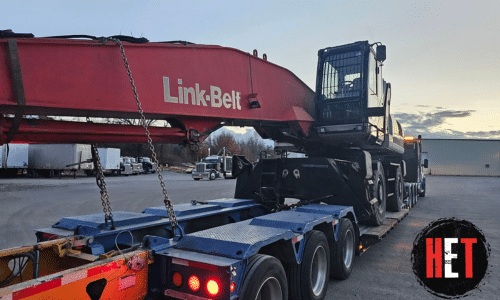
LinkBelt 360 Material Handler loaded for transport

Factors That Influence the Cost of Heavy Equipment Hauling

“When you speak with a Heavy Equipment Transport specialist, they’ll provide you with everything you need for an accurate quote and will let you know what you can do to reduce costs.”

Fuel Prices

Diesel swings impact the linehaul through a fuel surcharge. We tie that line to published diesel averages, so you see how fuel moves the final rate.

Specialized Permits/Regulations

Oversize and overweight loads need permits that vary by state. Thresholds for width, height, axle weights, and travel hours affect routing and cost. We pull permits and plan the route before wheels move.

Insurance

High-value assets may require higher cargo limits. We provide certificates on request and align coverage with your risk requirements.

Seasonality

Construction season and harvest push demand. Winter storms can slow certain lanes. Booking early helps protect your timeline and price during peak periods.

Pilot Cars if Necessary

Some dimensions trigger escorts. Your quote will show the number of pilot cars, where they’re needed, and how they affect timing.

Load Assistance if Necessary

Cranes, forklifts, ramps, and rigging crews can be part of the plan. We’ll spell out what’s needed at loadout and unload so there are no surprises on site.

Transport Your Heavy Equipment Today

Heavy Equipment Transport is always available for a quote. Fill out the form or give us a call now! (888) 730-2951

Red Flags in Equipment Transport Quotes

We see most problems start with unclear quotes. Watch for these common issues and push for straight answers.

  • Vague or missing cost breakdown. No clear linehaul, fuel, permits, escorts, or load support.
  • Unusually low or high pricing. Outliers often mean missed details or shaky capacity.
  • No mention of permits or escorts. Oversize loads need them, so a missing line suggests guesswork.
  • No clear timeline or delivery window. You need a realistic range based on driver hours and state rules.
  • Missing carrier or insurance information. Ask for USDOT/MC and a current certificate of insurance.
  • • Lack of written confirmation. Get specs, rate, and terms in writing.
  •  • No dedicated point of contact. One rep should own your load from quote to delivery.
  •  • No mention of equipment type or load specifics. Quote should match your machine, dimensions, weight, and trailer plan.
  • Poor responsiveness or evasive answers.Slow or vague replies now mean trouble later.
  •  • Request for full payment up front. Normal practice uses deposits or on-delivery terms by agreement.

A clean, itemized quote saves time and makes comparisons simple.

Ways to Reduce Your Equipment Transport Costs

You can lower spend without risking schedule or safety. Here are practical ways on how to reduce equipment shipping costs.

  • Plan ahead: More lead time opens better routing, capacity, and pricing.
  • Compare carriers: Ask for itemized quotes so you compare apples to apples.
  • •  Disassemble equipment: Bring height or width within legal limits to avoid permits and escorts where possible.
  • Consolidate: Combine units or plan backhauls to spread mobilization costs.
  • Shipment methods: Choose the trailer that fits your dimensions without overbuying capacity.
  •  

When you speak with a Heavy Equipment Transport specialist, they’ll provide you with everything you need for an accurate quote and will let you know what you can do to reduce costs.

How to Choose an Equipment Hauling Partner

Price matters, but execution carries the day.

  • Ask for multiple written quotes based on the same specs.
  • Verify DOT/MC authority and insurance.
  • Confirm permit and escort experience on similar lanes.
  • Request the trailer plan, deck height, and axle layout.
  • Require one point of contact with an agreed update schedule.

For oversize work, see our oversized load transport solutions. For containers, our container moving services cover drayage, lifts, and inland legs.

Choosing Heavy Equipment Transport as Your Shipping Partner

We make complex moves feel straightforward. You get a dedicated rep, itemized pricing, and route and permit planning handled from day one. We coordinate pilot cars, load assistance, and site access. We cover your lanes in all regions and keep you updated without phone tag.

Ready to price your next move? Use our form to get a fast estimate, or contact our team. Call 888-264-5276 if you want to book now.

Caterpillar D7G Plow

Equipment Shipping Cost FAQ

  1. 1. How are heavy equipment shipping costs calculated?

Miles times a per-mile linehaul, plus fuel surcharge, permits, escorts if needed, insurance, and any load support like cranes or forklifts.

  1. 2. What factors can cause my transport quote to change?
    Updated dimensions or weight, route changes, weather detours, schedule shifts, or added load assistance.

  2. 3. Does Heavy Equipment Transport handle permits and route planning?
    Yes. We pull permits, plan routes, and schedule escorts before pickup.

  3. 4. How far in advance should I schedule my equipment shipment?

A few weeks is smart in peak seasons. Off-peak moves can be faster. Share your dates, and we’ll advise.

  1. 5. What’s included in a Heavy Equipment Transport quote?

An itemized breakdown. Linehaul, fuel, permits, escorts, insurance terms, trailer plan, and pickup and delivery windows.

William Thomas

William Thomas

Heavy Transport Specialist

Being able to lead a team of such talented logistics agents has been a wonderful experience over the past ten years. If you would like to know anything more about the heavy equipment transport services we offer, don't hesitate to give us a call!

Safety Protocols in Heavy Equipment Shipping

Safety Protocols in Heavy Equipment Shipping

Heavy Equipment Transport Logo
Facebook
Twitter
LinkedIn

William Thomas / January 2021

It is critical to ensure safety while shipping heavy equipment. It is about more than just safeguarding precious machinery; it is also about protecting human lives. Mishandling heavy machinery has serious hazards, ranging from financial losses due to damage to severe personal harm or even death. This emphasizes the crucial importance of strict safety standards. These standards serve as a shield, safeguarding both people and equipment and are required for a safe and effective operation. The seriousness of these threats emphasizes the non-negotiable imperative of following safety regulations in heavy equipment shipment.

The Importance of Proper Heavy Equipment Inspection

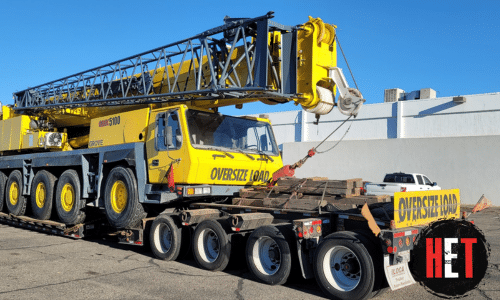
2015 Grove GMK 5100 Crane Truck loaded for transport

“These proactive measures ensure heavy equipment’s safe and efficient movement, reducing downtime, mitigating potential damage, and, most importantly, safeguarding the operators’ and bystanders’ lives.”

Pre-shipment checks are an essential part of guaranteeing heavy equipment shipping safety. They act as an early warning system, detecting possible difficulties before they become significant issues. Inspections cover a wide range of topics, including:
• Checking tire conditions for adequate inflation and wear

• Ensuring lights and brakes are working properly

• Validating the correct weight distribution.

• Confirming the integrity of tie-down points.

This methodical inspection helps to eliminate mishaps, resulting in a safer and more effective heavy equipment transportation process. As a result, these checks are crucial in limiting the dangers connected with heavy equipment shipping.

Transport Your Heavy Equipment Today

Heavy Equipment Transport is always available for a quote. Fill out the form or give us a call now! (888) 730-2951

Understanding The Weight and Size Restrictions of Heavy Equipment Shipping

Heavy loads are classified by weight and size under federal laws, with distinct categories requiring special transportation needs. Because of the potential for damage to road infrastructure or traffic hazards, oversized or overweight equipment frequently necessitates special handling, supplementary permits, and unique vehicle configurations. Large loads, for example, may exceed lane widths, causing traffic congestion, while overweight equipment can damage roads and bridges.

Understanding these classifications and following federal rules is therefore critical in heavy equipment shipping, assuring safety and efficiency while avoiding potential legal consequences and infrastructure damage.

Choosing The Right Trailer to Transport your Heavy Equipment

Choosing the right trailer type for heavy equipment transportation is critical to ensure safe and practical transport. RGN, Step Deck, Double Drop, Flatbed, and Stretch Trailer trailers have unique characteristics and capacities to carry equipment of varying sizes, shapes, and weights.
Matching the trailer to the specifications of the equipment aids in:

• Preventing potential damage during travel

• Increasing load stability

• Promoting compliance with regulatory weight and dimension limits.

This cautious selection assists in limiting transportation risks and optimizing shipping efficiency and thus plays an integral part in the overall success of heavy equipment shipment.

Securing and Protecting Your Equipment in Transport

Heavy equipment must be appropriately secured during transportation to ensure safety. Appropriate securing mechanisms, such as chains, booms, or straps, minimize unwanted movement, lowering the danger of damage or accidents. Furthermore, safeguarding vulnerable portions of the equipment, such as glass components or delicate machinery, is critical to avoiding damage during transit. These safeguards assure regulatory compliance, quick loading and unloading, and the integrity and operating readiness of the equipment.

Adhering to Rules and Regulations When Transporting Heavy Equipment

Heavy equipment transportation needs strict adherence to several federal, state, and local restrictions. These rules, which can differ significantly between locations, govern load size, weight, and transit times.

Noncompliance could result in:

• Severe penalties

• Delays in delivery timeframes

• Damage to one’s reputation

Before transportation, it is critical to obtain the proper permissions, as these validate the legality of the equipment’s size, weight, and route. Compliance with these regulations and licenses ensures a seamless transportation procedure and upholds safety standards, protecting all road users and the transported equipment.

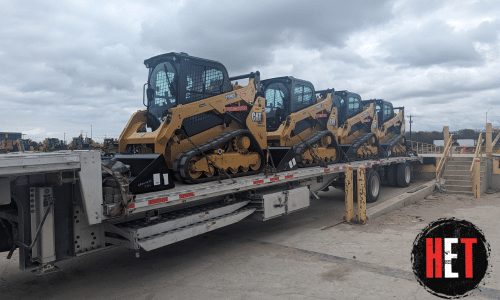
4 Cat 259 Skid Steers loaded for transport

Training and Expertise for Heavy Equipment Transportation

Trained operators are essential for the safe transfer of heavy machinery. Their knowledge prevents damage and ensures on-time delivery. Continuous training and adherence to safety protocols are necessary for operators since:

• Regular training keeps operators up to date on the newest safety regulations and equipment handling techniques, assuring optimal performance and safety

• Up-to-date knowledge assists operators in adhering to changing regulatory criteria and avoiding legal problems.

• Ongoing training improves operator efficiency and lowers the likelihood of accidents, resulting in a safer workplace.

Route Planning for Heavy Equipment Shipping

Planning routes for heavy equipment transportation in advance is beneficial, especially when crossing state or foreign borders. This is due to the following reasons:

• It enables operators to foresee and prevent potential hazards, assuring the safety of the operators and the equipment.

• Foresight is required to navigate the various terrains and weather situations when crossing borders.

• It can assist in avoiding legal difficulties by bypassing regions with tight transportation rules.

• Facilitates on-time customs clearance by choosing routes with fewer logistical constraints.

Preparing for Emergencies When Transporting Heavy Equipment

In the transportation of heavy equipment, emergency planning is critical. It entails developing a comprehensive response strategy, training operators in first aid and crisis management, and outfitting trucks with emergency equipment. A well-thought-out contingency plan lowers downtime, mitigates potential harm, and assures the safety of operators and spectators. In this high-risk industry, it also maintains company continuity. Remember that being prepared is preferable to being caught off guard.

Ensured safety during heavy equipment transportation is a shared duty of all stakeholders. This includes performing extensive equipment inspections, giving obligatory safety training for operators, pre-planning routes to avoid potential hazards, and implementing complete emergency preparedness measures. These proactive measures ensure heavy equipment’s safe and efficient movement, reducing downtime, mitigating potential damage, and, most importantly, safeguarding the operators’ and bystanders’ lives. Safety must be prioritized at all stages of the transportation operation.

William Thomas

William Thomas

Heavy Transport Specialist

Being able to lead a team of such talented logistics agents has been a wonderful experience over the past ten years. If you would like to know anything more about the heavy equipment transport services we offer, don't hesitate to give us a call!