Wide Load vs. Oversize Load: What's The Difference?

Francisca Olive / May 2023
Standard shipping containers handle a wide range of items. However, some equipment and parts cannot fit into a shipping container, so they are considered wide loads and oversized loads. Federal and state regulations guide trucking guidelines; therefore, it’s important to understand what constitutes a wide and oversized load. The key differences between these loads ensure you can legally ship material and avoid penalties.
What is a Wide Load?
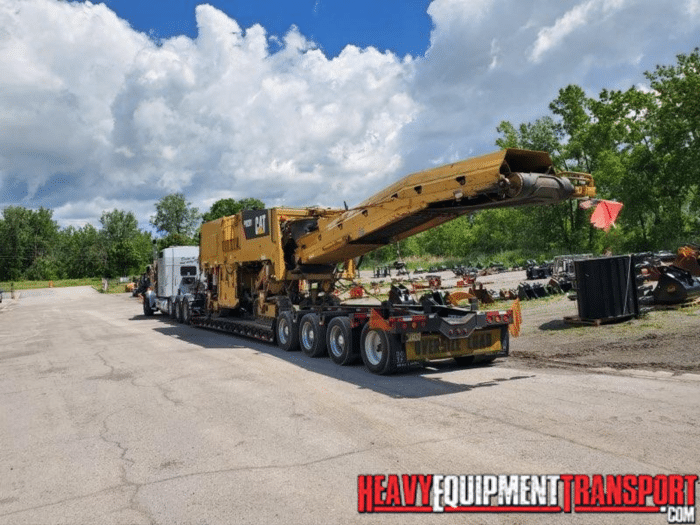
A wide load is typically any load that exceeds the maximum legal width limit for highway travel. Any load that exceeds 8.5 feet (2.6 meters) wide but fulfills the other legal limits of height and weight is considered a wide load. The specific maximum width limit varies in each state.
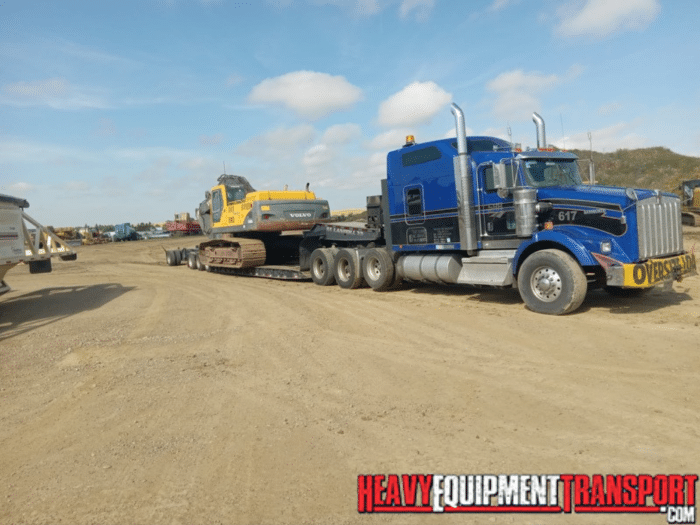
These loads require special permits and are only allowed on specific routes pre-approved by the relevant authorities. Each state sets guidelines and restrictions for shipping wide loads, so if you have to cross through multiple states, you need clearance or a permit for each. Due to their dimensions, wide loads are often transported using specialized equipment like a flatbed trailer.
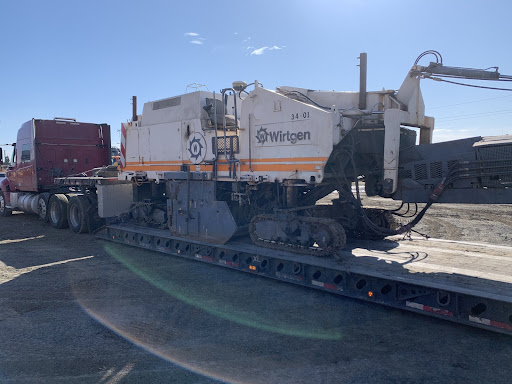
Some examples of wide loads include mobile homes, construction equipment such as bulldozers and big dump trucks, trucks, boats, and agricultural equipment such as harvesters, threshers, and bailers.
Transport Your Load Today
Heavy Equipment Transport is always available for a quote. Fill out the form or give us a call now! (888) 730-2951
What is an Oversized Load?
An oversized load is any load that exceeds the maximum legal height, weight, length, and width limit of 8.5 feet wide, 53 feet long, 13.5 feet tall, and 80,000 pounds. This criterion differs in every state, and you require a special permit adhering to safety regulations ensuring you aren’t posing a risk to other drivers on the road.
Examples of oversize loads include manufacturing equipment such as assembly lines and conveyors, construction materials such as steel beams and pipes, agricultural equipment such as tractors, prefabricated homes, and construction equipment such as storage tanks and cranes.
Differences between wide loads and oversize loads
Often, the terms wide load and oversize loads are used interchangeably. However, there are some key differences.
Size specifications: Wide loads specifically cater to loads that exceed the maximum legal width limit, while oversize loads refer to loads that exceed the maximum legal size limits, including width, length, and height.
Mode of transport: Wide loads are transported using specialized equipment such as flatbed trailers, while oversize loads can be shipped using standard trailers and trucks.
Routes: Oversize loads can be allowed on any route. They also require permits and sometimes escorts. Wide loads, on the other hand, are allowed only on specific routes that have been pre-approved by authorities.
Types of loads: Wide loads tend to be wider and flatter. They also require different handling techniques than oversize loads. Oversize loads vary in shape and size more than wide loads. These loads also require specialized handling techniques and equipment, such as cranes and trailers.
Safety regulations: Wide loads require specific safety regulations, including proper signage and lighting. They also have restrictions on load speed and the number of escort vehicles needed. Oversize loads, on the other hand, may include restrictions on time of travel and safety measures such as road closures and police escorts.
What to Consider When Shipping wide and Oversize Loads
Determining the legal hurdles and proper logistics when shipping your parts or materials is crucial. Here are some factors to consider:
Special permits
Use a permitting service or contact each state’s permitting agency to acquire the right permits for your route. Failure to comply with special permits, follow approved routes or travel during allocated times can cost thousands in fines.
Travel times
Travel times vary depending on the state and sometimes town or community. Some states have a time restriction for when oversize loads can travel, limiting road use to nights, weekends, and holidays.
Pilot Vehicles
In some states, escort vehicles are required to ensure the safety of other road users. The cars provide a barrier for protection and alert other drivers of the wide load. For some states, pilot cars are necessary for all wide loads, while for others, pilot cars are necessary only for loads wider than 12 feet wide.
Key Takeaway
Transporting wide and oversize loads can be complex. Understanding their differences is essential for logistics, safety, legal compliance, and cost management. It also helps minimize risks and costs associated with transporting these types of loads.

William Thomas
Heavy Transport Specialist
Being able to lead a team of such talented logistics agents has been a wonderful experience over the past ten years. If you would like to know anything more about the heavy equipment transport services we offer, don't hesitate to give us a call!