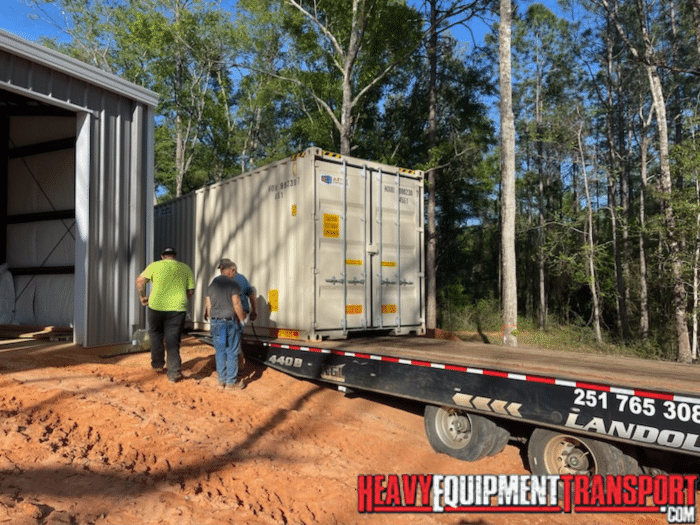
What is The Difference Between a High Cube Container and a Standard Container?

What is The Difference Between a High Cube Container and a Standard Container?

Heavy Equipment Transport Logo
Facebook
Twitter
LinkedIn

Do you need a container to transport, store, or move goods? When looking for the perfect option, you must choose between a standard container and a high cube container. The two types of containers look almost exactly alike, except for a slight difference in dimensions.

High cube containers are taller than standard ones. Below, you will find out why that difference matters and when to use each container.

What is Considered a Standard Container?
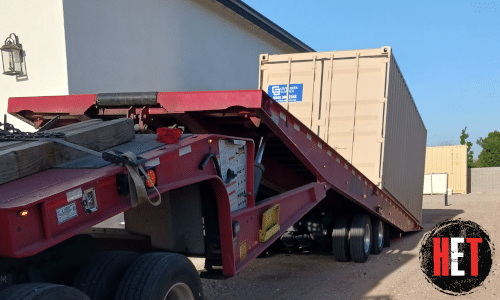
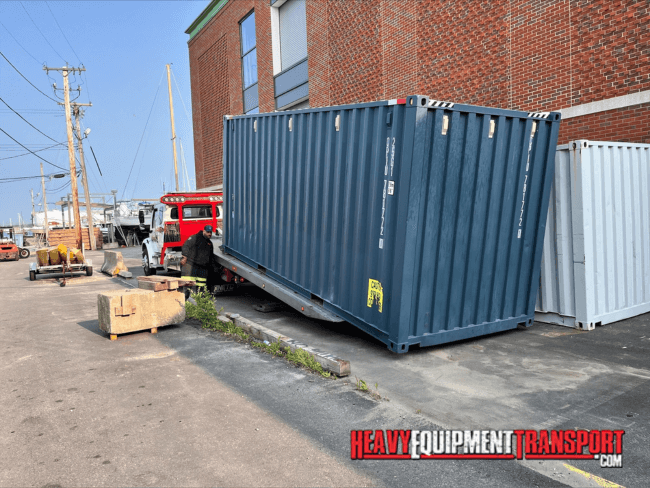
Loading a container for transport

“A high cube container is one foot taller than a standard container. This extra foot easily transports bulky goods, machinery, statues, and other tall items.”

A standard container’s dimensions are 8.6 ft high by 8 ft wide and can be 40 ft, 20 ft, 10 ft, or less long. They are considered standard, as they are widely available and relatively cheap.


Most people use a 20 ft container when moving, as it can easily fit the contents of a 3-bedroom house. This container weighs 4,585 lbs and has a carrying capacity of around 62,600 lbs.

Transport Your Heavy Equipment Today

Heavy Equipment Transport is always available for a quote. Fill out the form or give us a call now! (888) 730-2951

What is a High Cube Container?

The only difference between high cubes and standard containers is the height. A high cube container is one foot taller than a standard container. This extra foot easily transports bulky goods, machinery, statues, and other tall items.

The added height, however, makes the containers a few hundred pounds heavier. A 20 ft high cube container weighs over 5,000 lbs. Yet, it has the same maximum weight capacity as a standard container.
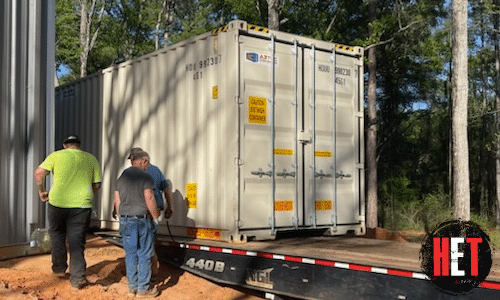
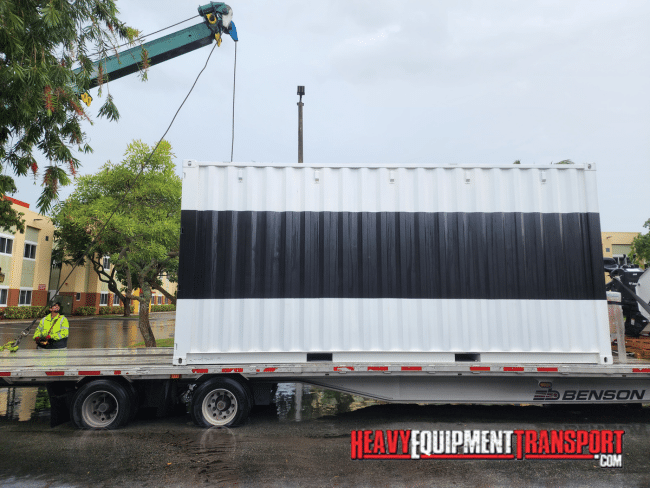
Container on a Trailer.

When to Use a High Cube Container Vs a Standard Container

  • •Moving Oversize Goods. A high cube container is better for transporting bulky or tall items. The internal dimensions of a container are slightly smaller than the state size. Therefore, an object that can barely stand in a standard container will fit more comfortably in a high cube.
  •  
  • •Weight VS. Volume. As mentioned above, a high cube container weighs more than a standard container. When transporting heavy goods that are neither bulky nor tall, a standard container allows you to carry more weight than a high cube.
  •  
  • On the other hand, if you want to store in bulk, like stacking a bunch of boxes, a high cube container could save you money. A 20 ft high cube container has 150 ft more capacity than a standard container of the same length. This extra volume is enough to fit a few hundred shoe boxes.
  •  
  • •Cost Considerations. Buying or renting a standard container is cheaper than a high cube container. It also costs more to transport a high cube, as the extra weight results in a higher fuel consumption. Because freight companies price their services according to weight, you might be charged a premium for the high cube. A standard container is more cost-efficient if you do not need the extra space to move your cargo.
  •  
  • •Container Builds. High cube containers are the preferred choice for container homes and other modifications. The added headroom makes for a healthier, more comfortable living space. As such, you will often find high cube containers used for mobile offices, pop-up bars and cafes.
  •  
  • •Safety Concerns. Standard containers can be transported almost anywhere, as you do not have to worry about power lines and low bridges. When transporting a high cube container, you should carefully plan the route to avoid low-hanging obstacles.
  •  
  • •Storage. Whether you need extra storage for business or personal use, the type of container you choose will depend on a few factors. Standard containers are the most common choice for most people as they can fit easily on a property. Agricultural businesses and farmers often prefer high cube containers to store their large machinery and tools.

A Container For Your Needs

When to use a standard or high cube container will primarily depend on your needs and budget. As you can see, no one container is better than the other. Yet, knowing the dimensions is essential, especially if you are planning to move a container.


If you want to learn more about the different container sizes, contact our specialists at Heavy Equipment Transport. We move large pieces of equipment and can help you transport your container.
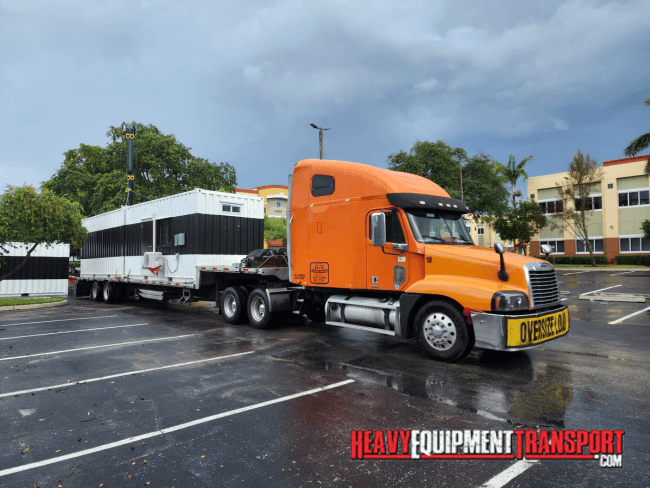
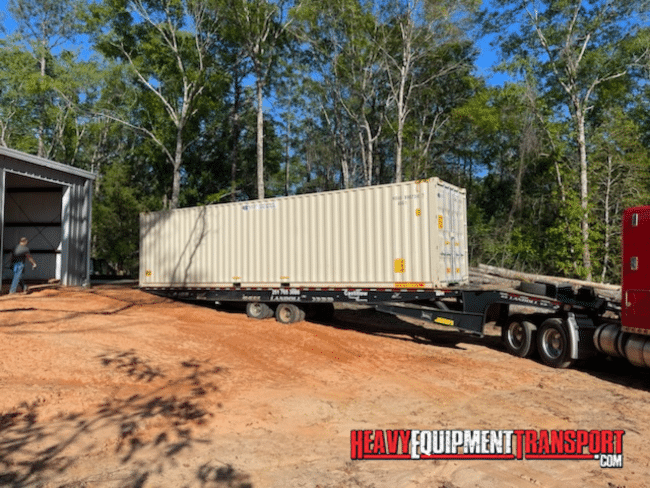
What Type of Trailer Do You Need to Ship a Container?

What Type of Trailer Do You Need to Ship a Container?

Heavy Equipment Transport Logo
Facebook
Twitter
LinkedIn

Francisca Olive / July 2023

There are several types of trailers to choose from when transporting shipping containers, including flatbeds, goosenecks, and chassis. While each type has its advantages, the chassis trailer has become the go-to option for many shipping companies and container movers. This article will explore why the chassis is the best shipping container transport trailer.

What Is a Container Chassis?

A chassis (or skeletal trailer) is a wheeled trailer structure designed to carry many different kinds of containers (standard and special). These metal frames are built to transport containers from one terminal to another, as well as between warehouses, ports, and other warehouses. There are different types of container chassis, so you can choose the one that best fits your needs.

A container chassis is essentially a steel frame with tires and axles connected. The capacity of a chassis depends mainly on its axles. The axle is the lengthy shaft connecting the wheels. A regular chassis can haul 20-foot and 40-foot containers with only two axles. A tri-axle chassis is required to transport 20ft containers weighing more than 36,000 pounds or 40ft containers weighing more than 44,000 pounds.

container haul

Transport Your Container Today

Heavy Equipment Transport is always available for a quote. Fill out the form or give us a call now! (888) 730-2951

What Makes the Chassis the Best Shipping Container Transport Trailer?

The purpose of a chassis is to move shipping containers quickly and safely. They’re sturdy and strong, shielding containers from shocks and vibrations on the road. Containers are fastened safely and securely to the chassis, eliminating the need for excessive container movements and making transportation significantly safer.

Although typically constructed of lightweight materials, a container chassis is strong enough for heavy equipment transport. They also come in various types so that transport companies can choose the best for their needs.

Types of Container Chassis

➤ Common Chassis

The common chassis does not provide any customization options. It’s just a simple, permanent structure designed to move containers from one location to another. These chassis require the use of overhead cranes for loading and unloading freight.

Standard 20-foot, 40-foot, and 45-foot containers can be transported using the common chassis. Distinctive body markings indicate where your containers should go. This chassis is not only inexpensive but also easy to operate. However, external equipment, such as overhead cranes, may result in additional costs.

➤ Tilt Container Chassis

Because of the nature of this chassis type, loading and unloading containers is a breeze. A tilt chassis, as opposed to a common chassis, features upper and lower frames. The upper structure may tilt upward using hydraulics. In addition, the chassis’ upper frame includes a roller that links to the bottom frame.

This setup ensures a safe and manageable loading and unloading process. You’ll have to shell out more cash for this one, but if ease of use is your top priority, it’s worth it.

➤ Extendable Chassis

As their name suggests, extendable chassis can be adjusted to accommodate various containers. This type of chassis functions in much the same way as a common chassis, with one key distinction. Because the back can be extended, it can be used for various purposes.

This is the chassis for container movers transporting containers of various lengths.

Choosing the Right Chassis Trailer for Your Needs

container haul

Which chassis is best for you depends solely on your needs. The following should be taken into account when deciding the type to go with:

➤ Usage

A container-specific chassis is the best option if you need to move containers. On the other hand, flatbed chassis trailers are the best option if you need to transport containers along with other goods. A tilt chassis is convenient if you have to load and unload items in specific locations since it eliminates the need for renting a crane or other lifting machinery.

➤ Weight Threshold

You can select the number of axles in the chassis best to accommodate the weight of the container. The more axles a chassis has, the more weight it can carry. The ideal option for moving conventional containers is a two- or three-axle chassis.

➤ Cost

Before deciding on a chassis, consider the container’s requirements and specs carefully. You should expect to pay more for a customized chassis than a standard one. Hence, when you look for a container chassis, you should ensure that you completely understand your requirements.

Key Takeaway

A container chassis is the most effective shipping container transport trailer. These trailers are built for container hauling. Because there is such a large selection of trailers to choose from, you can pick the one that’s most appropriate for your needs.

William Thomas

William Thomas

Heavy Transport Specialist

Being able to lead a team of such talented logistics agents has been a wonderful experience over the past ten years. If you would like to know anything more about the heavy equipment transport services we offer, don't hesitate to give us a call!

What Happens If My Container is Damaged During Transport?

What Happens If My Container is Damaged During Transport?

Heavy Equipment Transport Logo
Facebook
Twitter
LinkedIn

Francisca Olive / July 2023

The shipping industry’s catch-22 is container damage. Even the strongest boxes can suffer damage during delivery, no matter how careful you are. Container damage, beyond normal wear and tear, can result in a significant economic loss for owners and end users. This article will outline what to do if your container is damaged during transport.

What is Container Damage?

Damage to a container occurs if there is a breach in the container’s structural integrity. In essence, it’s a catch-all phrase for several types of damages. Container damage can range from a small ding to a complete loss at sea.

You should keep in mind that the condition of your cargo might be affected by the state of your container. Once a shipping container sustains damage, the contents within also suffer. A recent report from the UK P&I club found that missing containers accounted for nearly 11% of all cargo damage claims made that year. This significant financial risk may get you tangled up in a long, drawn-out claims process.

One in four containers going through U.S. ports sustains damage at an interchange point, reports Freightwaves. Potential causes of the destruction include natural calamities, careless humans, and broken machinery.

Human error typically begins with selecting the incorrect container for your shipment. It can also affect how effectively you pack your load to prevent freight damage. Damages due to human error are avoidable.

After the suitable container has been chosen, a thorough inspection should be conducted to ensure that it is free of any odors, holes, damage, lack of ventilation, unsanitary conditions, improper temperature regulation, and improper flooring.

container transport

Transport Your Container Today

Heavy Equipment Transport is always available for a quote. Fill out the form or give us a call now! (888) 730-2951

Reasons for Container Damage

One of the most common causes of damage to a container is improper loading. Cargo that sways during transit may result from an overloaded container, unequal distribution of weight, poor securing, or an absence of dunnage. This is due to inadequate oversight, a lack of expertise in cargo transport, and an attempt to save costs without fully realizing the consequences.

As a result of contamination, certain containers may be ruled unusable. They could be infested with pests or have an unpleasant odor. For instance, if a shipping container was used to transport food products before being used to transport garments, the garments may absorb the smell of the food.

In addition to occurring during transport, container damage can also occur during loading and unloading. Untrained forklift operators risk damaging the containers by puncturing or denting them, stacking them improperly, or dropping them. Damages from dings and punctures can be repaired if they are minor.

As a result of the wear and tear they endure during shipping and transport, containers require frequent inspections.

container loaded on trailer

Types of Container Damage

➤ Broken Doors

This may occur due to irresponsible handling of the container, negligent securing of the container while it is being loaded, vehicle accidents, or the actions of robbers. Make sure the container frames are inspected at the terminal. Attempt repair if feasible; otherwise, contact the shipper before dispatch.

➤ Loss of Container

A container can be lost if the ship is rocking because of rough seas, the ship sinks, the containers are stacked improperly, the weight is miscalculated, or the cargo is not stowed properly. In order to avoid a collision, the crew should heed weather warnings, stay clear of bad weather, adhere to all applicable regulations, ensure that all lashing is done correctly, and inspect lashing regularly.

What Happens When My Container is Damaged During Transport?

You must document every aspect of the damage to your container upon its arrival. You can use this information to file a successful claim.

It is strongly recommended that the user take pictures before transport in case the shipping container is damaged during the move. When a container is returned to a depot, the owner often has a surveyor look at it to determine how much damage it sustained during transport.

After taking photos of the damage, the depot issues a repair invoice. If the repair cost is less than the amount specified in the Damage Protection Plan, the supplier will foot the bill. The container’s user will get an invoice if the value is higher. The user is given 30 days from the invoice receipt date to pay. If users disagree with the charges, they have ten days to file a dispute.

At this stage, the two sides can agree on one surveyor to represent them, or each can send their surveyor. The survey’s findings are used to determine who foots the bill. In the event of a total loss, the user is responsible for replacing the container (this cannot be disputed).

However, as the circumstances surrounding container damage might vary widely, remedies are often provided on a case-by-case basis. Depending on the gravity of the disagreement, these conflicts can last anywhere from two days to several weeks.

Key Takeaway

Getting container insurance is a smart financial move due to the frequency with which shipping containers get damaged during a move.

William Thomas

William Thomas

Heavy Transport Specialist

Being able to lead a team of such talented logistics agents has been a wonderful experience over the past ten years. If you would like to know anything more about the heavy equipment transport services we offer, don't hesitate to give us a call!

What is Port-to-Port Container Transport?

What is Port-to-Port Container Transport?

Heavy Equipment Transport Logo
Facebook
Twitter
LinkedIn

Francisca Olive / May 2023

Port-to-port transport is the transportation of cargo containers between two different ports. This strategy has become integral to many supply chains as firms rely more and more on international trade. In this post, we’ll examine the fundamentals of port-to-port container transport.

What is Port-to-Port Shipping Container Transport?

moving a container

The difference between port-to-port shipping and door-to-door shipping is that port-to-port shipping does not include the services of transporting the goods from the point of origin, such as a warehouse or manufacturing center, to the port of loading. Likewise, it does not cover the transportation of the goods to the final destination after they reach the port of discharge.

Port-to-port shipping is ideal for seasoned shippers with the know-how to independently manage all other parts of the shipping process, as on-carriage and pre-carriage services are omitted. That means taking care of all the necessary paperwork, getting through customs at both ends, setting up inland transport and a storage facility, etc.

container for transport

Transport Your Container Today

Heavy Equipment Transport is always available for a quote. Fill out the form or give us a call now! (888) 730-2951

Services Included in Port-to-Port Shipping

Port-to-port shipping container costs include expenses associated with transporting goods from the port of origin to the destination port. The costs usually include the ocean freight rate( the rate at which the cargo is to be transported) and a container rental fee (which pays for the rental of the shipping container for the duration of the transportation process). Also included is a security fee that ports impose for reasons of maritime security. Additional port-to-port services include container loading and unloading times, cargo tracking, document issuance (such as a Bill of Lading), and document filing costs. There may be additional fees for handling at either the country of origin or the country of destination.

Factors to Consider With Port-to-Port Shipping

Cargo Insurance

Port-to-port shipping does not include cargo insurance. Carriers are mandated by law to have carrier liability insurance for all cargo they transport. However, this insurance seldom offers enough compensation for losses incurred by shippers.

Customs Clearance

Customs officials at the port of origin and destination must receive proper documentation and papers. In most cases, this step is not covered by port-to-port shipping container costs. The documentation requirements might be very different in each nation. Hiring a destination agent will help clear up any misunderstandings or miscommunications that may arise. An experienced destination agent will be well-versed in the import regulations of your final destination and can guide you through the necessary paperwork and provide an estimate of the taxes and duties you will owe.

Inland Transportation

You will need to make arrangements for inland transportation to get your shipment to and from the ports of loading and discharge, respectively. The specifics of these arrangements will depend on your consignment’s origin location and final delivery destination.

These may comprise rail services, trucking services, or a mix of the two. Because of the current truck driver scarcity, it is essential to prepare ahead if you need to arrange inland transportation in the U.S.

Port Schedule

Without pre-carriage or on-carriage services, you’ll be responsible for getting your shipment to the port on time for the sail date and picking it up from the port of origin as soon as possible once it arrives to avoid fees like demurrage. While planning your drop-off and pickup, double-check the port authority’s operating hours to avoid delays. You should be aware of the port’s working hours and any holidays and/or strikes that may affect port employees.

Local Charges

In most cases, port-to-port shipping costs do not include local fees like the Bill of Lading release fee, associated port taxes, wharfage, etc. Nevertheless, as previously stated, some port-to-port quotes may contain local handling charges at the port of origin and/or destination.

Key Takeaway

Port-to-port container transport is the most cost-effective method of overseas shipping. This is because shippers can deliver their cargo to a port of origin in the United States and pick it up at a port of discharge in the destination country.

William Thomas

William Thomas

Heavy Transport Specialist

Being able to lead a team of such talented logistics agents has been a wonderful experience over the past ten years. If you would like to know anything more about the heavy equipment transport services we offer, don't hesitate to give us a call!