
How to Transport an Oversize Load

An oversize load is a shipment that exceeds legal limits for size and weight, requiring special planning, equipment and documentation. Because oversize loads often travel from one state to another, the paperwork is more involved and there are escort vehicles that handle the security of the shipment. The penalties for delivery delays, fines and damage incurred while transporting an oversize load does not come from poor driving; it comes from poor planning. This guide explains how to transport an oversize load and how professional carriers such as Heavy Equipment Transport measure, prepare and transport an oversize load safely and legally.
What is an Oversize Load?
“Exceeding even one legal limit will require special oversize load transport permits.“
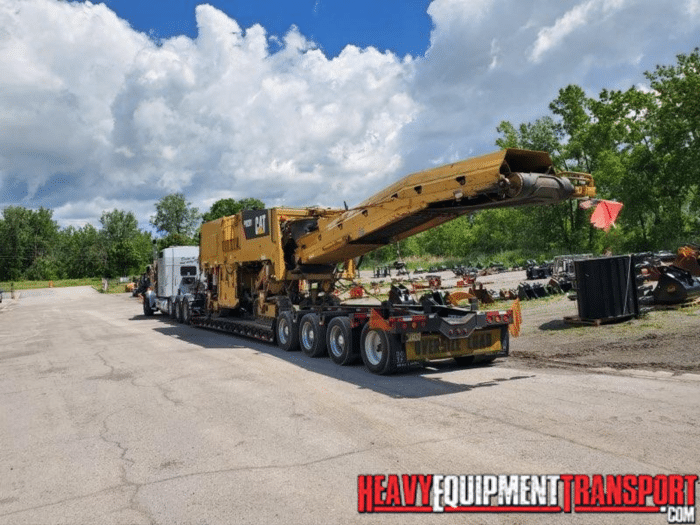
Any freight that exceeds legal weight and dimensional parameters is considered an oversize load and requires special permits. Oversized load regulations protect public infrastructure, ensure the safety of drivers and eliminates risks of accidents caused by loads that are simply too wide, too tall or too heavy.
Legal parameters are usually defined as:
- ● Width over 8 ft. 6 in.
- ● Height over 13 ft. 6 in.
- ● Length over 53 ft. (Trailer specific)
- ● Weight more than 80,000 lbs. gross
Exceeding even one legal limit will require special oversize load transport permits. For example, weight limits may be specific to each state, but a shipment that exceeds weight limits but does not exceed width or height limits will still require a special oversize or overweight permit.
Transport Your Containers Today
Heavy Equipment Transport is always available for a quote. Fill out the form or give us a call now! (888) 730-2951
Step 1 - Measure the Load Accurately
Even slight errors in measuring height, width or weight will void a permit and delay your shipment. Every measurement must be taken multiple times, from the top of the equipment all the way down to when it is loaded onto the trailer.
Oversize Load Measurement Checklist:
- ● Overall length of shipment including attachments
- ● Overall width of the load (measured at its widest point)
- ● Total height (once loaded on the trailer)
- ● Gross weight and weight measurements specific to each axle
- ● Take any special measurements for center of gravity if applicable
By measuring after the load has been placed on the trailer, Heavy Equipment Transport can verify that the permit dimensions are accurate for the load, escort and trailer, thus eliminating risk at every stage of transport.
Step 2 - Choose the Right Trailer Type
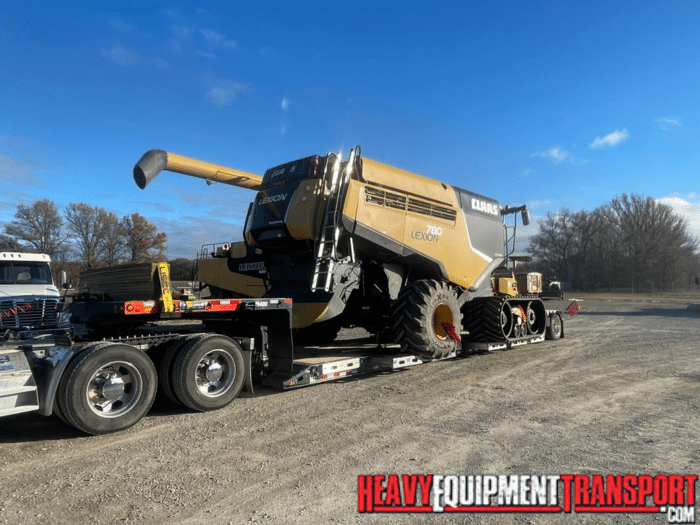
There are many different types of trailers on the market today. Some are only designed for loads that are moderately oversize while others are designed for extremely heavy loads with precise weight and size specifications. Using an incorrect trailer type can result in a load that won’t fit upon delivery or dimensions that don’t comply with permit requirements.
1. Flatbed Trailers – for moderately oversize loads that exceed width or height limits
2. Step Deck Trailers – for loads sensitive to height
3. RGN or Low Boy trailer – for heavy and tall equipment such as bulldozers or cranes
Specialized trailers – for irregularly shaped loads
4. Specialized trailers – for irregularly shaped loads
Trailer selection relates back to route selection because the height and width of bridges and roads may vary and impact delivery. Heavy Equipment Transport assigns every load to the correct trailer type, ensuring safe passage from pick-up to delivery.
Step 3 - Obtain Oversize Load Permits
Each state is different, and getting it wrong is costly. There are oversize load permits for dimensions, trailer types, and even the specific route and time of passage. Given the complexity and tight schedule, most shippers leave this up to the professionals.
Important considerations include:
- ● State-specific permits – all states can issue you tickets
- ● Multi-state load – permit must ‘travel’ with load
- ● Processing times – the permits will take time to process
- ● Time-sensitive – permits may not allow travel on certain days
Checklist: Permits Information That Must Be Consistent With Load
- ● Exact dimensions
- ● Trailer type
- ● Valid Route
- ● Timing
- ● Escort requirements
Due to the complexities of permits, many shippers leave this up to the carrier. Heavy Equipment Transport does all permits in-house, ensuring process control and avoiding delays.
Step 4 - Route and Escort Car Planning
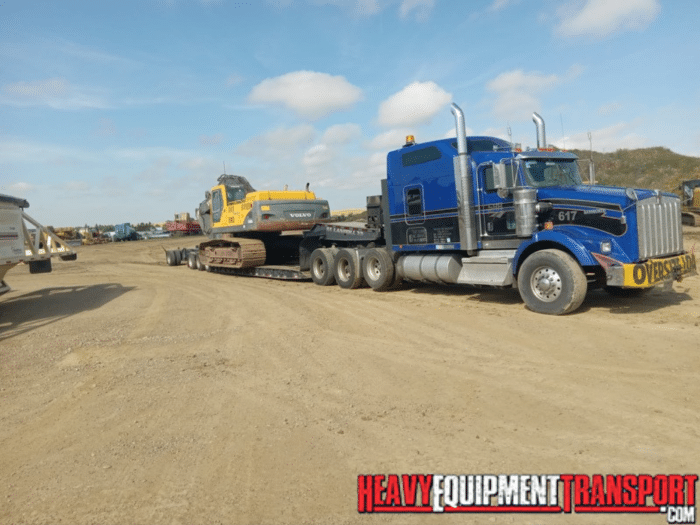
Oversize loads cannot use any route. They have to avoid low bridges, road construction, weight-restricted roads, and they may only travel at certain times of the day. Some loads will require pilot cars to control the flow of traffic while the load is on the road. Proper coordination will save time and avoid delays.
Important items to consider:
- ● Bridge heights
- ● Road construction
- ● Weight restrictions on roads
- ● Urban/Rural challenges
- ● Time of day restrictions
Pilot cars may be required for wide load transport, and police escorts may be necessary. Heavy Equipment Transport plans all escort arrangements for our loads so that you are compliant with pilot car requirements.
Step 5 - Prepare Load For Delivery
Unlike standard freight loads, oversized loads require a lot of staging. A missed detail can mean pick-up is impossible or cause significant delays. The shipper must ensure all equipment is available, all attachments are secured, and proper equipment is present before the truck arrives. The carrier must also communicate correctly to handle the load while in transit and provide updates.
Checklist: Prep Oversize Load for Pickup:
- ● Equipment is staged and accessible
- ● Attachments have been secured or removed
- ● Loading equipment (if needed) is confirmed
- ● Access to the site has been coordinated
- ● Proper phone numbers have been exchanged
Heavy Equipment Transport keeps in contact with our clients while the load is in transit. We have real-time tracking so that you know where your shipment is at all times.
Step 6 - Delivery, Offloading, and Documentation
Deliveries are the final step in transporting an oversize load. Like pick-ups, they require planning. The shipper must ensure delivery access and offloading needs have been coordinated before the load arrives. The carrier also requires communication to inspect the load before being offloaded fully. Documentation ensures accountability in the delivery process.
Checklist: Prep For Delivery:
- ● Checklist: Prep For Delivery
- ● Offloading equipment has been staged before arrival
- ● Final inspection of load (to note any damage) has occurred before offloading
- ● Delivery Proof (BOL) is provided to the shipper
Heavy Equipment Transport meticulously handles this process, ensuring your load is documented and delivered legally.
Common Oversize Load Mistakes
Even the most experienced shippers make oversize load mistakes. The dimensions of the load can be guessed, permits can be ordered late, and escort requirements can be neglected. The wrong trailer can be selected and route difficulties can be underestimated.
Don’t make the following oversize load mistakes:
- ● Guessing dimensions of the load
- ● Late order of permits
- ● Selection of the wrong trailer
- ● Ignoring escort requirements
- ● Underestimation of route challenges
All of these mistakes delay shipments and can be costly. These errors can be avoided altogether with Heavy Equipment Transport and professional handling of your load.
When Should I Hire a Professional Oversize Load Carrier?
When hauling oversize loads interstate becomes complex, timelines are tight, permits are difficult to manage, or escorts are required, a professional oversize load carrier is mandatory. Heavy Equipment Transport simplifies oversize load transport by handling:
- ● Permits
- ● Trailer selection
- ● Escort coordination
- ● Communication
Getting any of these steps wrong will mess up your delivery timelines and could led to downtime. Heavy Equipment Transport’s expert team takes all the guess work out of oversized haulage and gets those large loads where they need to be with no fuss.
How Does Heavy Equipment Transport Make Oversize Load Shipping Easier?
Heavy Equipment Transport specializes in the business of oversized equipment hauling, avoiding errors by handling:
- ● Permit and route plan services provided in-house
- ● Load-matched trailers
- ● Coordination of escorts
- ● Dedicated transport specialist
- ● Cross-country and cross-border transport capability
With all oversize load regulations expertly handled, Heavy Equipment Transport ensures your oversize load arrives punctually and legally.
Ready to get started? Haul your oversize load today! Get your free, no-obligation quote now!
FAQ
What makes a shipment an oversize load?
A shipment is classified as an oversize load when its dimensions exceed state limits for height, width, length or the weight of the vehicle. A bulldozer that is ten feet wide or a crane that is over 14 feet tall will be classified as an oversize load. Only one measurement is needed to make a shipment an oversize load.
How do I know if my load requires oversize or overweight permits?
Oversize permits are granted when loads exceed legal measurements for transport vehicles. Overweight permits are issued when a load exceeds a gross weight of 80,000 pounds.
Do I need to get oversize load permits for each state I am driving through?
Yes. Oversize load regulations are managed state by state and permits must be issued to each and every jurisdiction you pass through. Multi-state shipments can become complex but Heavy Equipment Transport makes it simple for you.
What is the best trailer for hauling an oversize load?
Flatbed trailers can be used for modestly oversized loads but step decks are better for loads that are tall. Lowboys or RGNs are best for taller and heavier loads while specially fitted trailers are required for extremely oversized loads.
When are pilot cars or escort vehicles required for oversize transport?
Pilot cars are required when loads exceed certain width or length thresholds, which vary by state. Escorts help warn other drivers, guide the truck, and ensure compliance with regulations. Heavy Equipment Transport arranges all escort vehicles as part of its service.

William Thomas
Heavy Transport Specialist
Being able to lead a team of such talented logistics agents has been a wonderful experience over the past ten years. If you would like to know anything more about the heavy equipment transport services we offer, don't hesitate to give us a call!