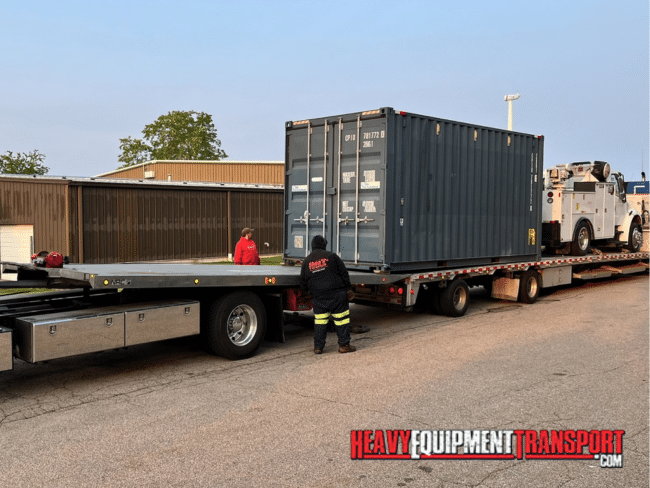
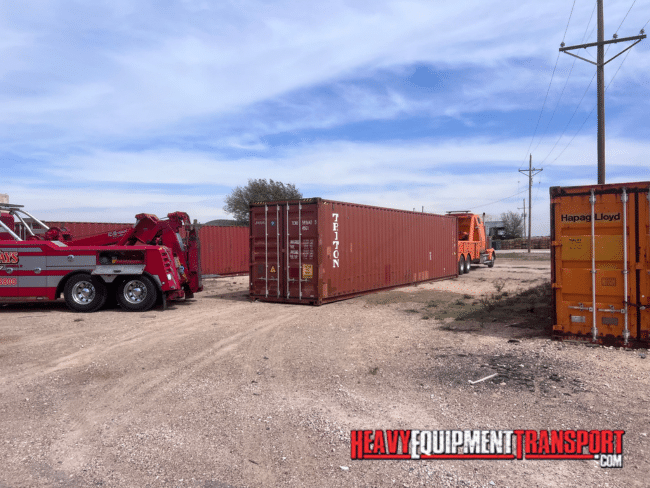
What Happens If My Container is Damaged During Transport?

Francisca Olive / July 2023
The shipping industry’s catch-22 is container damage. Even the strongest boxes can suffer damage during delivery, no matter how careful you are. Container damage, beyond normal wear and tear, can result in a significant economic loss for owners and end users. This article will outline what to do if your container is damaged during transport.
What is Container Damage?
Damage to a container occurs if there is a breach in the container’s structural integrity. In essence, it’s a catch-all phrase for several types of damages. Container damage can range from a small ding to a complete loss at sea.
You should keep in mind that the condition of your cargo might be affected by the state of your container. Once a shipping container sustains damage, the contents within also suffer. A recent report from the UK P&I club found that missing containers accounted for nearly 11% of all cargo damage claims made that year. This significant financial risk may get you tangled up in a long, drawn-out claims process.
One in four containers going through U.S. ports sustains damage at an interchange point, reports Freightwaves. Potential causes of the destruction include natural calamities, careless humans, and broken machinery.
Human error typically begins with selecting the incorrect container for your shipment. It can also affect how effectively you pack your load to prevent freight damage. Damages due to human error are avoidable.
After the suitable container has been chosen, a thorough inspection should be conducted to ensure that it is free of any odors, holes, damage, lack of ventilation, unsanitary conditions, improper temperature regulation, and improper flooring.
Transport Your Container Today
Heavy Equipment Transport is always available for a quote. Fill out the form or give us a call now! (888) 730-2951
Reasons for Container Damage
One of the most common causes of damage to a container is improper loading. Cargo that sways during transit may result from an overloaded container, unequal distribution of weight, poor securing, or an absence of dunnage. This is due to inadequate oversight, a lack of expertise in cargo transport, and an attempt to save costs without fully realizing the consequences.
As a result of contamination, certain containers may be ruled unusable. They could be infested with pests or have an unpleasant odor. For instance, if a shipping container was used to transport food products before being used to transport garments, the garments may absorb the smell of the food.
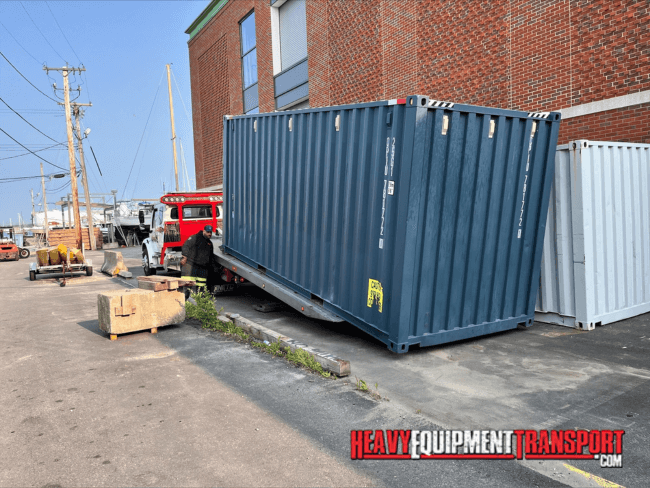
In addition to occurring during transport, container damage can also occur during loading and unloading. Untrained forklift operators risk damaging the containers by puncturing or denting them, stacking them improperly, or dropping them. Damages from dings and punctures can be repaired if they are minor.
As a result of the wear and tear they endure during shipping and transport, containers require frequent inspections.
Types of Container Damage
➤ Broken Doors
This may occur due to irresponsible handling of the container, negligent securing of the container while it is being loaded, vehicle accidents, or the actions of robbers. Make sure the container frames are inspected at the terminal. Attempt repair if feasible; otherwise, contact the shipper before dispatch.
➤ Loss of Container
A container can be lost if the ship is rocking because of rough seas, the ship sinks, the containers are stacked improperly, the weight is miscalculated, or the cargo is not stowed properly. In order to avoid a collision, the crew should heed weather warnings, stay clear of bad weather, adhere to all applicable regulations, ensure that all lashing is done correctly, and inspect lashing regularly.
What Happens When My Container is Damaged During Transport?
You must document every aspect of the damage to your container upon its arrival. You can use this information to file a successful claim.
It is strongly recommended that the user take pictures before transport in case the shipping container is damaged during the move. When a container is returned to a depot, the owner often has a surveyor look at it to determine how much damage it sustained during transport.
After taking photos of the damage, the depot issues a repair invoice. If the repair cost is less than the amount specified in the Damage Protection Plan, the supplier will foot the bill. The container’s user will get an invoice if the value is higher. The user is given 30 days from the invoice receipt date to pay. If users disagree with the charges, they have ten days to file a dispute.
At this stage, the two sides can agree on one surveyor to represent them, or each can send their surveyor. The survey’s findings are used to determine who foots the bill. In the event of a total loss, the user is responsible for replacing the container (this cannot be disputed).
However, as the circumstances surrounding container damage might vary widely, remedies are often provided on a case-by-case basis. Depending on the gravity of the disagreement, these conflicts can last anywhere from two days to several weeks.
Key Takeaway
Getting container insurance is a smart financial move due to the frequency with which shipping containers get damaged during a move.

William Thomas
Heavy Transport Specialist
Being able to lead a team of such talented logistics agents has been a wonderful experience over the past ten years. If you would like to know anything more about the heavy equipment transport services we offer, don't hesitate to give us a call!