

When is Equipment Considered “Heavy”?

William Thomas / January 2023
What does heavy equipment imply to you, and is its definition clear? Heavy equipment, according to the majority of today’s workforce, refers to heavy-duty vehicles intended primarily for construction and earthmoving jobs.
What makes things a bit ambiguous is that there are several terms used to characterize heavy equipment, including heavy machinery, heavy trucks, construction equipment, engineering equipment, heavy vehicles, and even heavy hydraulics. Regardless of the word you use, it comprises equipment such as:
● Wheel loaders
● Bulldozers
● Excavators
● Scrapers
● Backhoes
● Dump trucks
● Graders
● Off-road forklifts
Nothing To Do With Weight or Size
Notably, the adjective “heavy” does not refer to the machine’s weight or size, but rather to the heavy-duty nature of the jobs it performs. For example, there is a vast difference in size and weight between a mining dump truck, a skid steer loader, and a small excavator, but they are all considered heavy equipment.
Crucially, the majority of today’s heavy equipment require at least some level of operating competence and training. In certain instances, certification is necessary for heavy equipment operators, which assists in reducing accidents.
Loading Heavy Equipment: Procedure and Tips
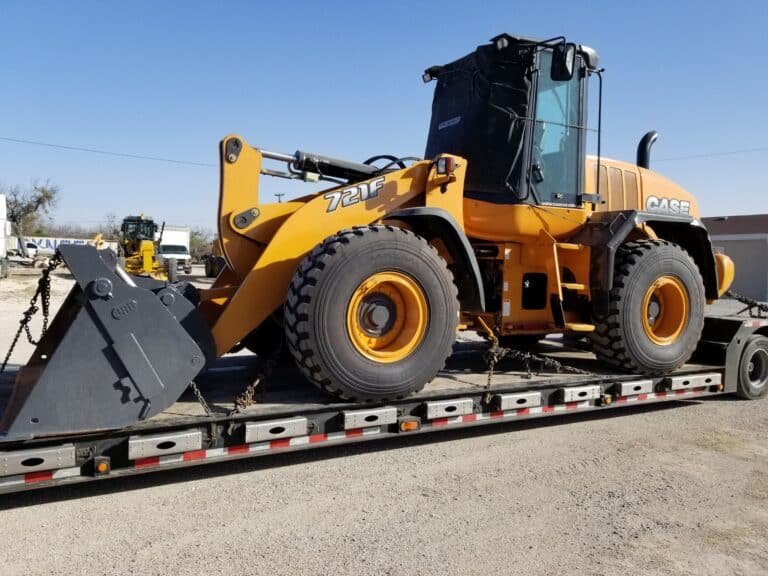
Safe equipment transportation begins with correct loading techniques for heavy equipment. Before transporting equipment, it is important to choose the right trailer or heavy-duty carrier for each machine. Conduct safety checks of the trailer, hauling vehicle, and equipment, and establish a securement system that is adequate.
You should follow the procedure below while loading heavy equipment to ensure the safety of your crew and equipment:
Determine Your Equipment’s Weight and Height
The first step in hauling heavy equipment is to determine the equipment’s dimensions and weight. Be sure to verify the actual height, width, and weight of your equipment to guide your other transportation decisions, since many DOT rules for cargo transportation are based on equipment size and weight.
Determine whether an Oversize or Overweight Permit is Needed
Some big or overweight equipment may require a transport permit. If you are moving a backhoe, dozer, dump truck, or other heavy pieces of equipment, check your state’s regulations to see whether or not a permit is required. The permit may also mandate that extra escort cars accompany the heavy carrier to inform other motorists of the load.
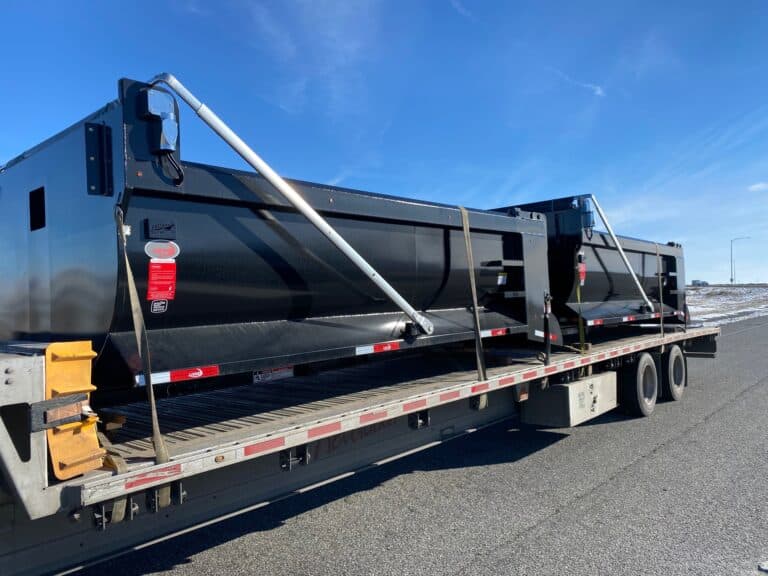
Transport Your Heavy Equipment Today
Heavy Equipment Transport is always available for a quote. Fill out the form or give us a call now! (888) 730-2951
Choose the Appropriate Trailer Size and Capacity
When selecting a trailer or heavy hauler to move your equipment, search for one with the appropriate carrying capacity. Remember to include the trailer’s weight when estimating the total weight your vehicle will be transporting. Determine the optimal location of the equipment on the trailer in order to equally spread the equipment’s weight.
Ensure that your trailer can handle the equipment’s height for safe passage under bridges and overpasses while transporting huge gear. On the majority of interstates, the FHWA mandates a minimum clearance height of 14 feet, but others need 16 feet. Choose a trailer that meets this height requirement, such as a lowboy or step-deck trailer.
Inspect Your Trailer
Before loading equipment onto your trailer, examine its anchor points to ensure that they are in excellent condition. Examine the machinery for any weak spots or evidence of deterioration that might undermine its security. Check the trailer for any debris that might get dislodged during transport and cause damage to other cars.
Load and Secure Your Equipment
Once you have picked your trailer, arranged for weight and height considerations, and inspected your transporter, it is time to load your equipment. The driver will load and secure your equipment in compliance with DOT rules if you are working with a heavy equipment transportation business. If you want to load your equipment into the trailer yourself, you must notify the heavy transport firm in advance and organize a time with the driver. After loading the equipment into the trailer, it must be fastened to the transport vehicle.
According to DOT requirements for transporting and securing heavy equipment, heavy equipment must be secured to prevent it from tipping, blowing, tumbling, sliding, or rolling off the transportation vehicle during travel. Equipment must also be incapable of shifting in a manner that compromises the trailer’s or heavy hauler’s mobility or stability. To adequately secure your equipment, you must select a securement system that meets DOT minimum force criteria.
Finding the Right Heavy Equipment Transport Company
Some businesses find it challenging to navigate the different rules and safety procedures required for shipping heavy equipment. Working with a proper heavy equipment transportation firm like Heavy Equipment Transport eliminates these risks and makes transportation of large equipment effortless. When hiring a hauler for your equipment, you should consider experience, flexibility, response time and insurance.
Conclusion
Whether you’re traveling a great distance or simply around the block, transporting heavy equipment is a challenging task. Proper loading and securement of equipment is necessary to safeguard expensive machinery, minimize penalties, and prevent accidents. Proper planning while transporting heavy machinery ensures compliance with regulations and reduces risks.

William Thomas
Heavy Transport Specialist
Being able to lead a team of such talented logistics agents has been a wonderful experience over the past ten years. If you would like to know anything more about the heavy equipment transport services we offer, don't hesitate to give us a call!

